
Flowers
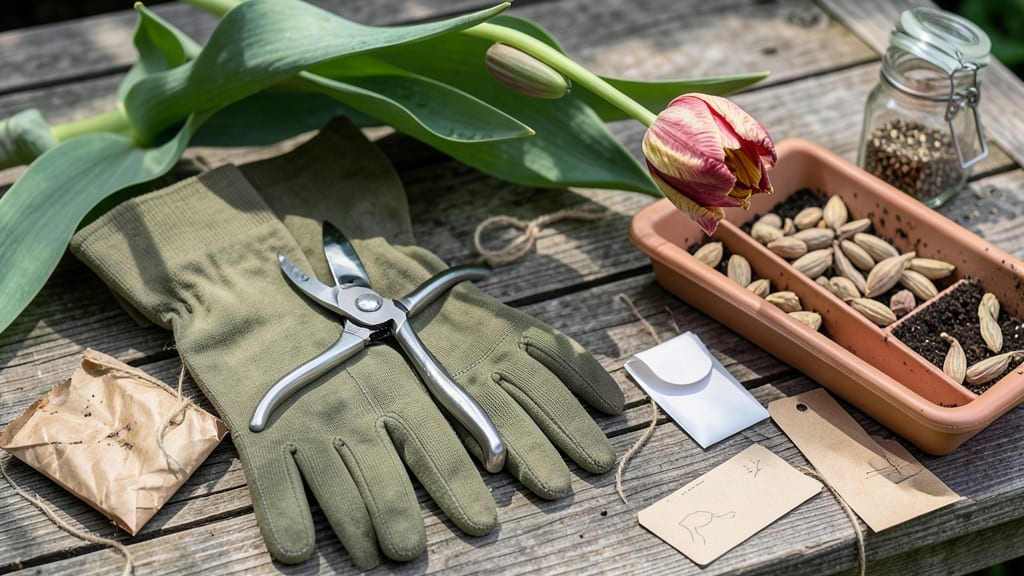
Getting tulip seeds from flowers feels like unlocking a gardening secret. 🌱 Most gardeners buy bulbs, but harvesting seeds lets you grow rare varieties—if you know when and how to collect them. The process takes patience, but the reward is unique tulips that might not exist in nurseries.
After blooms fade, watch for seed pods forming at the base of the stem. These papery green capsules contain the future of your garden. Harvest them when they turn brown and papery, usually 6-8 weeks after flowering, before they burst open.
Stratification is key—mix seeds with moist sand and refrigerate for 3-4 months to mimic winter. This breaks dormancy, and germination rates improve dramatically. Even then, expect only 10-20% success, but those few sprouts could be worth the wait.
Hybrid tulips rarely breed true, so save seeds from heirloom varieties if you want predictable results. The process is slow, but the thrill of growing something completely your own makes it worth every step.
📚 In This Guide
- What you need
- Instructions
- Tips and common mistakes
- Wrapping up and next steps
What you need
- ● Mature tulip flowers (preferably from species tulips, like Tulipa gesneriana or wild tulips—hybrid tulips rarely produce viable seeds). Aim for 5–10 healthy blooms for better success.
- ● Small paintbrush or cotton swab (for gentle pollen transfer).
- ● Paper bag or breathable cloth (to cover flowers during pollination).
- ● Scissors or pruning shears (clean, sharp pair for harvesting).
- ● Seed trays or small pots (with drainage holes) + seed-starting mix (sterile, well-draining potting soil).
- ● Plastic wrap or humidity dome (to retain moisture while seeds germinate).
- ● Spray bottle with water (for keeping soil moist).
- ● Patience! ⏳ Tulip seeds take 12–18 months to mature—plan ahead!
- ● Grow light or sunny windowsill (for seedlings before transplanting).
- ● Labeling tags (to track seed varieties).
- ● Fungicide spray (to prevent mold on damp seeds).
- ● Notebook or camera (to document progress—so cool!).
- ● Second tulip plant (for cross-pollination if you want hybrid seeds).
Tips & tricks for perfect tulip seed extraction
Patience and attention to detail make all the difference when harvesting tulip seeds—here's how to avoid common pitfalls.
Flower Selection: Choose blooms that are fully open but not yet wilting—this is your best chance for successful seed development. I've learned the hard way that partially open or already drooping flowers rarely produce viable seeds. Also, remove all other blooms from the stem to direct the plant's energy toward seed formation rather than additional flowers.
Pod Maturation: The 8-12 week maturation period is non-negotiable for developing healthy seeds. I've seen growers rush this process by forcing open immature pods, only to find they contained no seeds or only shriveled ones. Keep your plant in full sun and maintain consistent watering (1 inch per week) to prevent stress that could halt seed development.
Seed Collection: Tulip seeds are microscopic—about the size of a pinhead—so work carefully when collecting them. I recommend using a small paintbrush to gently coax any stubborn seeds from the pod before tapping it over paper. For stubborn pods, place them in a paper bag for 2-3 days to encourage natural release without damaging the seeds.
Storage Wisdom: Once your seeds are completely dry (after 3-5 days), store them in a sealed envelope or small container in a cool, dark place. I've found that adding a tiny packet of silica gel helps maintain dryness and extends viability to the full 1-2 years. Label your containers with the date and tulip variety for future reference.
Pro Tips for Get Tulip Seeds From Flowers
- Patience and attention to detail make all the difference when harvesting tulip seeds—here's how to avoid common pitfalls.
- Flower Selection: Choose blooms that are fully open but not yet wilting—this is your best chance for successful seed development.
- Pod Maturation: The 8-12 week maturation period is non-negotiable for developing healthy seeds.
Frequently asked questions
Got questions about harvesting tulip seeds? You’re not alone—this process can feel tricky at first! Below, we’ve rounded up the most common queries to help you navigate the steps with confidence. Whether you’re wondering about timing, storage, or why your seeds aren’t sprouting, we’ve got the answers.
Can I get seeds from any tulip flower?
Not all tulips produce viable seeds! Only species tulips (like Tulipa gesneriana or wild varieties) yield seeds—most hybrid tulips (the colorful ones sold in stores) are sterile and won’t produce seeds. Check your tulip’s label or ask a nursery for species types if you’re serious about seed-saving.
How long does it take for tulip seeds to germinate?
Patience is key! Tulip seeds can take 4–12 months to germinate, depending on conditions. Some may even wait until the second year. Keep them in a cool, dark place (like a fridge) during winter stratification to mimic natural conditions and speed up the process.
Do I need to dry the tulip seed pods before harvesting?
Yes! Let the seed pods fully dry and turn brown on the plant before harvesting (usually 6–8 weeks after flowering). Once dry, gently squeeze the pod—if seeds pop out easily, they’re ready. If they’re still green, wait a few more days. Pro tip: Harvest on a dry day to avoid mold.
What’s the best way to store tulip seeds until planting?
Store seeds in a paper envelope (not plastic!) in a cool, dry place (like a fridge) for 3–6 months. Label them with the date and tulip variety. Avoid moisture—dampness can cause rot. If you’re impatient, you can plant them fresh, but stratification improves germination rates.
Why aren’t my tulip seeds sprouting?
Several factors could be at play:
- Improper stratification: Tulips need a cold period to break dormancy. Skip this, and seeds may never sprout.
- Old or low-quality seeds: Seeds lose viability over time. Use fresh pods for best results.
- Poor soil conditions: Tulips prefer well-draining, slightly acidic soil. Amend heavy clay with sand or compost.
- Patience: Some seeds take years to germinate. Don’t give up too soon!
Try replanting a few seeds in a new spot with proper care—sometimes a fresh start helps!
Wrapping up and next steps
Growing tulips from seeds is a rewarding journey that connects you to nature’s cycle in a whole new way! 🌱 With patience and the right steps—from selecting healthy blooms to nurturing seedlings—you’ve now got the know-how to cultivate your own tulip family. Don’t stop here: experiment with different varieties, document your progress, and share your blooms with fellow gardeners.
Happy growing—your future tulip patch is waiting! 🌸