
Blooming
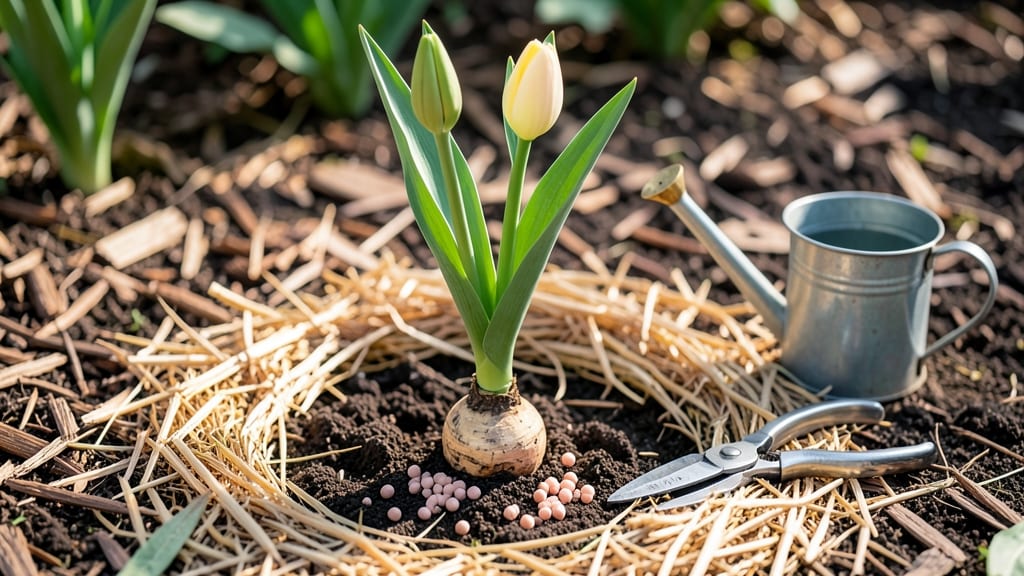
How to get tulips to rebloom feels like magic—until you realize it’s all about timing and care. 🌷 I’ve spent years watching tulips fade after their first showy spring display, but the secret to a second flush isn’t complicated: deadhead properly, feed at the right time, and protect the bulbs. Most gardeners miss one of these steps, and that’s why their tulips bow out early.
The key is acting immediately after the first bloom fades. Snip spent flowers before they form seed heads, which drains energy from the bulb. Then, fertilize with a low-nitrogen, high-phosphorus mix (like 5-10-10) to encourage root and bulb strength.
Over-fertilizing or using high-nitrogen feeds will send tulips into leafy overdrive instead of storing energy for next year.
By summer’s end, you’ll see fresh foliage pushing up—proof the bulbs are storing sunlight for another round. With consistent care, you’ll get bold second blooms in late summer or early fall, often in shades even more vibrant than spring.
The trick is patience: tulips need time to recharge between shows, just like gardeners need time to regroup after a long season.
This method works for Dutch hybrid tulips (the reblooming champs) and even some species types, though older varieties often play by their own rules. The payoff? A garden that keeps giving, season after season, with minimal extra work. Let’s get those bulbs prepped for round two.
📚 In This Guide
- What you need
- Instructions
- Tips and common mistakes
- Wrapping up and next steps
What you need
- ● Pruning shears or sharp scissors – Clean, sterilized tools to avoid spreading disease (a pair with a sharp blade works best).
- ● Balanced, slow-release fertilizer – Look for a 10-10-10 or 5-10-10 NPK ratio (e.g., Miracle-Grow All Purpose or Osmocote Smart-Release). 1–2 cups per 10 sq ft of garden bed.
- ● Compost or well-aged manure – 2–3 inches mixed into the soil around tulip bulbs to boost nutrients.
- ● Watering can or hose with a gentle spray nozzle – Tulips need 1–1.5 inches of water per week (deep but infrequent watering).
- ○ Gloves (optional but recommended) – Protects hands from thorns and soil bacteria.
- ● Epsom salt (magnesium sulfate) – 1 tablespoon per gallon of water as a foliar spray for greener leaves (use every 4–6 weeks).
- ● Mulch (straw, shredded leaves, or pine needles) – Helps retain moisture and regulate soil temperature.
- ● Bulb fertilizer (high in phosphorus) – Such as Espoma Bulb-Tone (apply in early fall for next year’s blooms).
- ● Soil pH test kit – Tulips thrive in slightly acidic to neutral soil (pH 6.0–7.0); adjust with lime or sulfur if needed.
Step-by-Step guide to encourage tulips to rebloom
Reblooming tulips takes patience and the right care—here’s how to coax those second blooms.
🌱 Step 1: Deadhead Properly After First Blooms
Once the first blooms fade, remove the spent flower head by cutting the stem just above the top leaf or bulb. This prevents the plant from setting seed, redirecting energy back into the bulb for next year’s growth. I always use clean, sharp scissors to avoid damaging the stem.
Don’t remove the entire stem—leave the leaves intact. They photosynthesize, storing nutrients in the bulb for future blooms. If you cut the leaves, you starve the bulb, and reblooming becomes nearly impossible.
💧 Step 2: Water and Fertilize Consistently
After deadheading, water deeply once a week, keeping the soil evenly moist but not soggy. Tulips need about 1 inch of water per week, more in hot, dry weather. I check soil moisture by sticking my finger 2 inches deep—if it’s dry, it’s time to water.
Feed your tulips with a balanced, low-nitrogen fertilizer (like 10-10-10) every 4-6 weeks during the growing season. Too much nitrogen promotes leaf growth at the expense of blooms. I apply fertilizer lightly, following package instructions, and always water afterward to prevent root burn.
☀️ Step 3: Provide Full Sun and Well-Draining Soil
Tulips thrive in full sun (6+ hours daily)—place them where they get morning light and afternoon shade if your climate is very hot. I’ve found that afternoon shade prevents wilting while still allowing enough light for strong bulb development.
Ensure the soil drains well—tulips rot in soggy conditions. If your soil is heavy clay, mix in compost or sand to improve drainage. Amend the planting area before bulbs go dormant in summer, so they have the best chance to store nutrients for reblooming.
✂️ Step 4: Leave Foliage Until It Yellows Naturally
Never cut back tulip leaves until they turn completely yellow and wither on their own. This process, which can take 6-8 weeks, is critical for bulb strength. I resist the urge to tidy up—patience here pays off with bigger, healthier blooms next season.
Once leaves are fully brown and crispy, you can trim them back. But if you remove them too soon, the bulb won’t store enough energy to rebloom. This is the most common mistake gardeners make when chasing second blooms.
🪴 Step 5: Mulch and Protect Over Winter
After foliage dies back, apply a 2-3 inch layer of mulch (like straw or shredded leaves) to insulate the bulbs. This protects them from extreme cold and helps retain moisture. In colder climates, I add extra mulch in late fall to prevent freeze-thaw cycles that can damage bulbs.
Reblooming tulips need consistent care year-round. Avoid disturbing the soil around them—bulbs establish deeper roots over time, making them more resilient. With these steps, you’ll see stronger stems and more blooms in future seasons.
Tips & tricks for perfect tulip reblooming
Here's what nobody tells you about getting those second tulip blooms—these little details make all the difference.
Deadheading Precision: When you remove that spent flower head in Step 1, make sure you're cutting just above the top leaf or bulb—not below. That tiny difference ensures the plant redirects energy where it counts. I've seen gardeners accidentally cut too low, which can damage the growing point and weaken the bulb for next season. Use clean scissors and make a clean cut at a 45-degree angle to minimize damage.
Fertilizer Timing Secret: The 4-6 week feeding schedule in Step 2 works best when you time it right. I start fertilizing right after deadheading, then every 4 weeks through early summer. The key is stopping fertilizer applications by mid-summer—this prevents late-season growth that can't harden off before winter. Too much nitrogen later in the season actually weakens the bulb's winter hardiness.
Leaf Longevity Lesson: That 6-8 week wait for leaves to yellow naturally in Step 4 is non-negotiable. I've tried cutting leaves early to "neaten up" the garden, only to get tiny blooms the next year—or worse, no blooms at all. Think of those leaves as the plant's solar panels. They're busy converting sunlight into stored energy for next year's flowers. If you cut them too soon, you're basically stealing the plant's savings account.
Mulch Depth Matters: When you apply that 2-3 inch mulch layer in Step 5, don't skimp. In colder climates, I've found that adding an extra inch in late fall makes a huge difference in bulb survival. The mulch acts like a blanket, protecting roots from temperature swings. Just be careful not to pile mulch against the stems—keep it about 2 inches away to prevent rot. A good rule of thumb is to mulch after the ground freezes but before heavy snowfall.
Pro Tips for Get Tulips To Rebloom
- Here's what nobody tells you about getting those second tulip blooms—these little details make all the difference.
- Deadheading Precision: When you remove that spent flower head in Step 1, make sure you're cutting just above the top leaf or bulb—not below.
- Fertilizer Timing Secret: The 4-6 week feeding schedule in Step 2 works best when you time it right.
Frequently asked questions
Got questions about coaxing those stunning tulip blooms back? Here are some of the most common ones—plus straightforward answers to help you succeed!
Why won’t my tulips rebloom after the first flush?
Most tulips are perennial but not naturally reblooming—especially hybrid varieties. Over-fertilizing with nitrogen (which promotes leaf growth over blooms) or not providing enough sunlight can also stop reblooming. Try low-nitrogen, high-phosphorus fertilizer and ensure they get 6+ hours of sun daily.
How long does it take for tulips to rebloom after deadheading?
Reblooming tulips typically take 8–12 weeks after deadheading to produce a second set of buds. Patience is key—some varieties (like Darwin Hybrid or Fosteriana) are faster, while others may need a full season. Keep an eye out for new growth in late summer!
Can I force tulips to rebloom in containers or pots?
Container-grown tulips rebloom more reliably because you control soil quality and drainage. Use well-draining potting mix, a pot with drainage holes, and fertilize with bone meal or a balanced bloom booster (like 10-10-10). Just ensure they get full sun and consistent watering.
What if my tulips only bloom once and then die back?
This is normal for many tulip varieties! If you want long-term reblooming, focus on species tulips (like Tulipa greigii or Tulipa clusiana) or reblooming hybrids (e.g., ‘Double Late Harvest’). For others, enjoy their first bloom and let the foliage die back naturally—the bulbs store energy for next year!
Do I need to fertilize tulips differently for reblooming?
Yes! Skip high-nitrogen fertilizers (they encourage leaves over blooms). Instead, use a phosphorus-rich fertilizer (like 5-10-10) in early spring and again after deadheading. A light application of compost or bone meal also helps. Less is more—over-fertilizing can stress the bulbs!
Will reblooming tulips survive harsh winters?
Reblooming tulips are hardy but may need extra care in cold climates. After the first frost, stop watering and let the foliage die back naturally. Mulch with 2–3 inches of straw or leaves in late fall to insulate the bulbs. In Zone 5 or colder, consider lifting and storing bulbs if your soil doesn’t drain well.
Wrapping up and next steps
Getting your tulips to rebloom is all about patience, care, and a little extra effort—but trust us, it’s worth it! 🌸 With the right techniques—like deadheading, proper fertilization, and smart watering—you’ll soon enjoy those stunning blooms twice a year.
Start small, track what works, and soon your garden will be the envy of the neighborhood.
Ready to take the next step? Experiment with different varieties or even try forcing tulips indoors for year-round color! Happy gardening—your tulips (and future blooms) will thank you.