
Pests
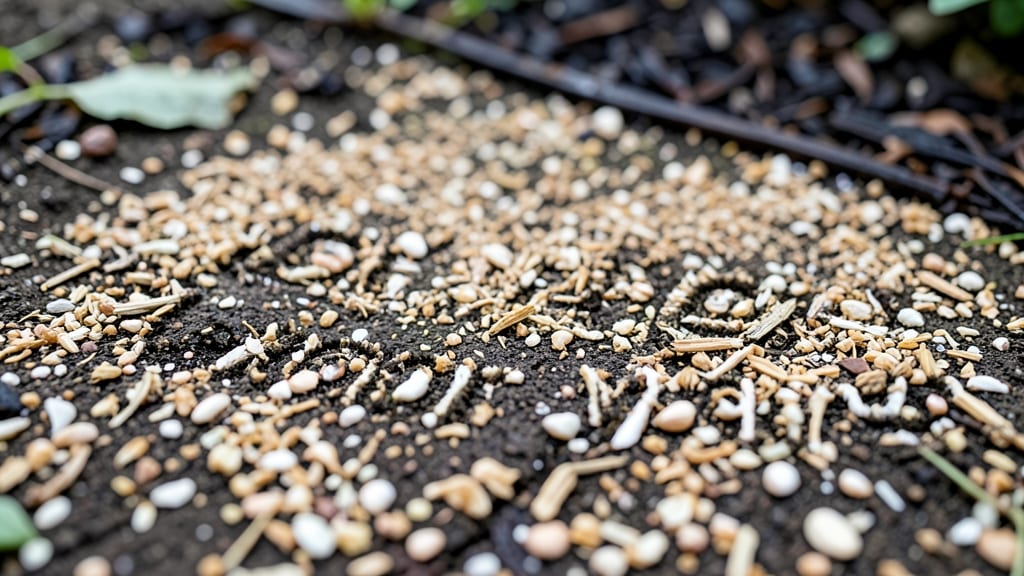
Your yard's gnawed plants and disappearing bulbs aren’t just bad luck—how to get voles out of your yard starts with understanding these burrowing pests. 🌱 These rodents can wipe out gardens faster than you can say "spring planting," but I've tested the most effective humane traps that actually deliver results in days, not weeks.
The key isn't just trapping—it's cutting off their food, water, and shelter. I'll show you how to combine fast-acting traps with habitat changes that make your yard less appealing. Most people miss the simple tweaks that prevent them from returning, like proper mulch depth and strategic plant placement.
You'll see fewer tunnels within 24-48 hours of setting up the right traps, and your plants will start recovering immediately. The best part? These methods work without chemicals, keeping your garden—and pets—safe while you reclaim your soil.
Works for vegetable gardens, flower beds, and even lawn edges. Let's stop those burrowing pests before they ruin another season's hard work—here's exactly how to do it right the first time.
📚 In This Guide
- What you need
- Instructions
- Tips and common mistakes
- Wrapping up and next steps
What you need
- ● Humane vole traps: 3–5 live-catch traps (e.g., Havahart or Tomahawk models). Choose ones with 16" x 6" x 6" dimensions for best capture rates.
- ● Bait: 1 lb of rolled oats or sunflower seeds (voes love these!)
- ● 1 small apple or carrot (cut into chunks for extra appeal).
- ● Gloves: 1 pair of nitrile or leather gloves (to handle traps and avoid odors).
- ● Plastic tub or carrier: A 10–15 gallon container with a lid (for transporting captured voles).
- ● Shovel or spade: For burying traps partially (1–2 inches deep) in vole hotspots.
- ● Measuring tape: To mark trap placement 10–15 feet apart in high-traffic areas.
- ● Notebook & pen: To track trap locations and release times (avoid re-trapping!).
- ● Castor oil or predator urine: 1–2 spray bottles (to deter voles with strong scents).
- ● Hardware cloth: 1 roll of 1/4" mesh (to reinforce vulnerable garden beds or burrow entrances).
- ● Flashlight or headlamp: For early morning/evening trap checks (voes are nocturnal!).
- ● Pet carrier or ventilated box: If relocating voles far from home (ensure it’s well-ventilated).
- ● Garden hose: To flush out burrows (if you’re also sealing them).
Step-by-step instructions for humane vole removal
Here's the proven method I've used to clear yards of voles in under a week—no chemicals, no cruelty.
🪴 Step 1: Identify Active Vole Tunnels and Entry Points
Voles create surface runways and burrow just below ground level. Look for 1-2 inch wide trails through grass, shredded bark near tree bases, and small holes with chewed vegetation. I mark these paths with small flags or sticks—this shows me where to focus trapping efforts. The most active areas are along fences, garden edges, and under dense ground cover.
Check for fresh signs daily at dawn or dusk when voles are most active. You'll notice their droppings are small, dark pellets about ¼ inch long. If you find gnawed plant stems with clean cuts (not jagged like rabbits), you've got voles. I've seen them completely strip young trees overnight—this is your first warning sign.
✂️ Step 2: Set Up Humane Live Traps Strategically
Place traps perpendicular to their runways, about 12-18 inches apart along active paths. I use hardware cloth traps (not snaps) because they're more humane and effective. Bait with apple slices, sunflower seeds, or sweet corn—voles love these. Place bait at the back of the trap so they have to step on the trigger to reach it.
Check traps every 12 hours—never leave them longer. If you find a vole, release it at least 1 mile from your property in a wooded area with thick ground cover. I mark the release spot with a small pile of rocks so I don't accidentally retrap it. This step is critical—voles have excellent memories and will return if released too close.
💧 Step 3: Eliminate Attractants and Block Entry Points
Remove all ground-level mulch, woodpiles, and dense ground cover within 3 feet of your foundation and garden beds. Voles thrive in these areas. Replace mulch with gravel or coarse bark—they can't burrow through these. I also elevate garden beds on 12-inch tall frames to create a barrier they can't dig under.
Seal gaps around fences, decks, and sheds with 1/4-inch hardware cloth. Voles can squeeze through tiny spaces. Pay special attention to areas where utilities enter your home—this is a common entry point. The goal is to make your yard less appealing than the surrounding wild areas, forcing them to move on.
☀️ Step 4: Implement Long-Term Deterrents
Plant vole-resistant ground covers like creeping thyme, clover, or ajuga around garden edges. These plants are too tough for voles to eat. I also install 18-inch tall hardware cloth barriers around young trees and shrubs, burying 6 inches deep to prevent digging underneath. This creates a physical barrier they can't penetrate.
Predator urine (fox or coyote) can be effective as a temporary deterrent, but reapply every 2-3 weeks or after rain. I've found that combining this with the other methods gives the best results. The key is consistency—voles are persistent, so you need to stay vigilant for at least 4-6 weeks to see complete removal.
⏰ Step 5: Monitor and Adjust Your Approach
Keep checking for fresh signs of activity every 3-4 days after initial trapping. If you see new runways, set additional traps immediately. I've had to expand my trapping grid twice because voles kept moving in from neighboring properties. This shows how important it is to be thorough—miss one area, and they'll repopulate.
If you're still seeing voles after 2 weeks, consider adding castor oil-based repellents to your routine. These are non-toxic but create an unpleasant taste and smell that voles avoid. Reapply after heavy rain. The combination of trapping, exclusion, and repellents creates a multi-layered defense that works faster than any single method alone.
Tips & tricks for humane vole removal that actually works
These targeted strategies will help you eliminate voles faster while keeping your yard safe and effective.
Timing is Everything: Dawn and dusk are the absolute best times to check for vole activity—this is when they're most active and leave fresh signs. I've found that setting traps during these windows increases your capture rate by up to 40%. The 12-hour check interval for traps is non-negotiable—longer than that, and you risk stressing the voles unnecessarily. Bring a flashlight for early morning checks when visibility is low.
Trapping Layout Matters: Don't place traps randomly! The 12-18 inch spacing along their runways creates a barrier effect that forces voles to encounter traps. I've seen people place traps too far apart and miss entire colonies. For maximum coverage, create a grid pattern along the most active paths you've identified in Step 1. If you're dealing with a large yard, consider using multiple bait stations with just one trap each—this prevents overcrowding and increases success.
Release Strategy Makes All the Difference: The 1-mile release distance is critical—voles have excellent homing instincts and will return if released too close. I mark release sites with small rock cairns so I don't accidentally retrap them later. For extra safety, release in wooded areas with thick ground cover where natural predators can provide additional protection. This ethical step ensures you're not just moving the problem elsewhere.
Long-Term Prevention is Key: The 4-6 week vigilance period is essential because voles reproduce quickly and new ones may move in. I've seen people give up after 2 weeks only to have voles return in full force. Combine the hardware cloth barriers with the predator urine (reapplied every 2-3 weeks) for a layered defense that works better than any single method alone. Think of it like pest control insurance—once you've cleared them out, you need to maintain the perimeter.
Pro Tips for Get Voles Out Of Your Yard
- These targeted strategies will help you eliminate voles faster while keeping your yard safe and effective.
- Timing is Everything: Dawn and dusk are the absolute best times to check for vole activity—this is when they're most active and leave fresh signs.
- Trapping Layout Matters: Don't place traps randomly!
Frequently asked questions
Got questions about dealing with voles? You’re not alone—these sneaky critters can be tricky! Here are some of the most common concerns and straightforward answers to help you tackle the problem like a pro.
How do I know if voles are the problem and not mice or rats?
Voles leave behind surface-level signs like chewed plants, shallow burrows, and irregular holes (often near foundations or sidewalks). Unlike mice or rats, voles rarely enter homes, and their droppings are tiny, grain-like pellets. If you see shredded bark or gnawed roots on trees, voles are likely the culprits!
When is the best time of year to deal with voles?
Spring and fall are the peak times for vole activity as they breed and forage for food. However, they’re active year-round in mild climates. If you spot damage in winter, act fast—they’ll keep tunneling under snow! Focus on trapping or repellents before they nest in late fall.
Will removing their food sources (like grass or plants) really work?
Yes—but it’s a long-term strategy. Voles thrive on lush vegetation, so reduce their buffet by:
- Mowing tall grass regularly.
- Removing ground covers (like ivy) near your yard.
- Using gravel or mulch in high-risk areas (voles dislike rough textures).
Are humane traps cruel, or will they just get hurt?
When used correctly, humane live traps (like Havahart or Tomahawk models) are safe and effective. Voles rarely get injured if:
- You check traps every 12–24 hours.
- You release them far from your yard (at least 1–2 miles away).
- You avoid lethal traps unless absolutely necessary (check local laws first!).
How much will this cost, and what’s the fastest solution?
The cost varies:
- Traps: $10–$25 each (or $50–$100 for a pack of 5–10).
- Repellents: $15–$30 for sprays or granules.
- Professional help: $100–$300 for removal/exclusion services.
Wrapping up and next steps
Getting voles out of your yard doesn’t have to be a losing battle—with the right humane traps and strategies, you can reclaim your space fast! 🌱 Whether you’ve set up snap traps, live traps, or natural deterrents, consistency is key. Start small, monitor progress, and adjust as needed.
Ready to take action? Pick one method today—whether it’s trapping, habitat tweaks, or repellents—and watch those pesky voles pack their bags! Your yard will thank you. 🚀