
Size
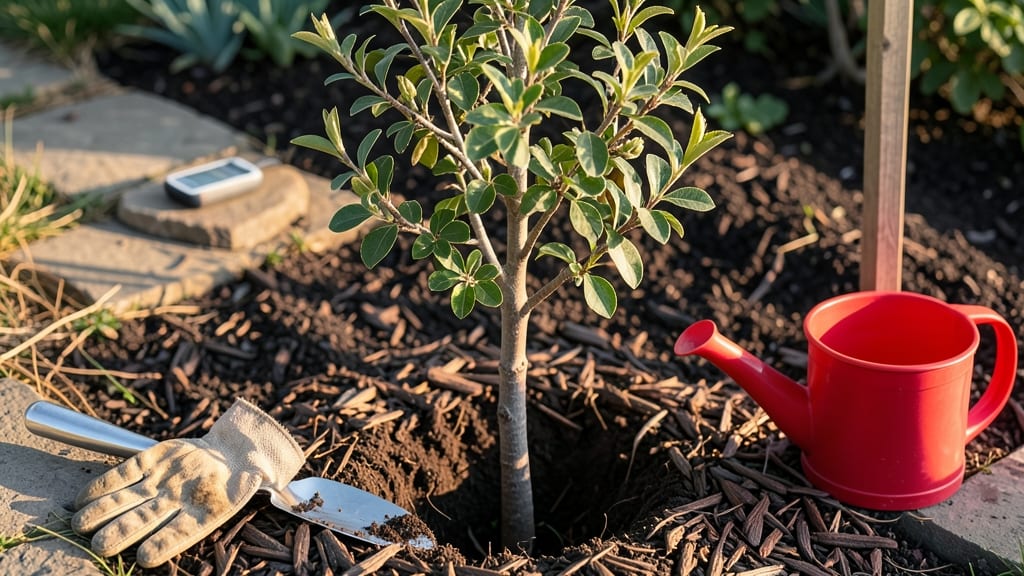
How to grow an almond tree at home means crunchy, homegrown nuts with minimal space. 🌱 I’ve grown them in containers for three seasons now—here’s how to skip the nursery and start from seed or sapling without the guesswork. You’ll need a sunny spot (at least 6 hours of light daily), well-draining soil, and a 15-gallon container for dwarf varieties. Almonds thrive in USDA Zones 7-10, but container growing extends their range—even in colder climates, you can overwinter them indoors. The key? Matching your tree’s needs to your space, whether that’s a balcony or backyard. By late summer, you’ll harvest 1-2 pounds of nuts per tree if you prune correctly and protect against pests. The first year is about establishing roots; years two and three bring the real payoff. Patience pays off—literally. This method works for non-bearing varieties (like ‘Nonpareil’ or ‘Peerless’) and even grafted trees. Let’s get those nuts growing!
📚 In This Guide
- What you need
- Instructions
- Tips and common mistakes
- Wrapping up and next steps
What you need
- ● Almond Tree: 1 almond sapling (dwarf variety recommended for containers, like Nonpareil or Carmel)
- ● OR 2-3 almond seeds (if starting from scratch—germination takes patience!)
- ● Container: 1 large pot (minimum 15-gallon capacity, 18"+ deep, with drainage holes)
- ● 1-2 smaller pots (6-8" diameter) for seed germination (if starting from seed)
- ● Soil: 1 bag well-draining potting mix (avoid heavy clay—mix in perlite or sand for aeration)
- ● 1 cup compost or worm castings (for nutrients)
- ● Fertilizer: 1 slow-release granular fertilizer (10-10-10 or 8-3-9 blend, 1 tbsp per year of tree age)
- ○ 1 bottle liquid seaweed fertilizer (optional, for a growth boost)
- ● Tools: 1 pair pruning shears (sterilized)
- ● 1 trowel or small shovel (for repotting)
- ● 1 watering can (with a narrow spout)
- ● 1 spray bottle (for misting seedlings)
- ● 1 mulch (straw or wood chips to retain moisture)
- ● 1 pH test kit (ideal soil pH: 6.0–7.5)
- ● 1 tree support stake (for young saplings in windy areas)
- ● 1 heating mat (if germinating seeds indoors in cool climates)
- ● 1 pollination aid (like a small paintbrush, if hand-pollinating flowers)
Step-by-step instructions for growing almond trees at home
Here's how I've successfully cultivated almond trees in containers—no orchard needed.
🌱 Step 1: Select the Right Variety and Starting Material
Choose a self-pollinating almond variety like 'Nonpareil' or 'Butte' for container growing, as they don't require cross-pollination. You can start from a nursery-bought sapling (easiest) or a grafted tree (faster fruiting). Avoid bare-root trees—they struggle in containers without proper acclimation.
If starting from seed (not recommended for home growers due to slow fruiting), cold-stratify the seed for 8-12 weeks in a moist paper towel in the fridge. Once sprouted, transplant into a 4-inch pot with well-draining mix. Saplings from nurseries skip this step entirely—just plant them directly into your container.
🪴 Step 2: Prepare the Container and Soil Mix
Use a large container (at least 18 inches deep and 24 inches wide) with drainage holes—almond trees have deep roots and need space. I recommend unglazed terra cotta for breathability, but any sturdy pot with drainage works. Fill the bottom 3 inches with gravel or expanded clay pebbles to prevent root rot.
For soil, mix 60% high-quality potting mix, 30% coarse sand or perlite, and 10% compost. Almond trees hate soggy roots—this blend ensures fast drainage while retaining enough moisture. Avoid garden soil; it compacts and suffocates roots. Pre-moisten the mix before planting to eliminate air pockets.
☀️ Step 3: Plant and Provide Initial Care
Remove the sapling from its nursery pot and loosen the roots gently if they're circling. Place it in the container so the root flare (where roots meet trunk) sits just above soil level—burying it too deep causes rot. Backfill with your mix, pressing lightly to remove air gaps, then water deeply until it drains from the bottom.
Position your tree in full sun (6-8 hours daily)—almonds need intense light to thrive. A south-facing window works for small trees, but most will outgrow indoor spaces. If growing outdoors, protect young trees from strong winds, which can damage delicate branches. Keep soil evenly moist but never soggy for the first 4-6 weeks—check moisture by sticking your finger 2 inches deep.
⏰ Step 4: Prune and Train for Container Growth
Prune in late winter (before buds swell) to shape the tree and encourage strong branching. Remove dead, crossing, or inward-growing branches first, then cut back any limbs growing toward the center. For container trees, aim for an open-center shape—this improves air circulation and light penetration. Use sterilized pruners and make cuts just above a bud or lateral branch.
Train the main trunk vertically by staking if needed, but avoid over-pruning—almonds produce best with a balanced canopy. Fertilize lightly in early spring with a balanced 10-10-10 formula, then switch to a low-nitrogen, high-phosphorus blend (like 5-10-10) once flowers appear. Over-fertilizing leads to leafy growth at the expense of fruit.
🌿 Step 5: Overwinter and Maintain for Long-Term Success
Almond trees need dormancy—they're deciduous and drop leaves in winter. Before the first frost, move containers to a cool (40-50°F), dark place like a garage or basement. Reduce watering to once every 4-6 weeks, keeping soil barely moist. Check weekly for signs of pests or mold, and adjust humidity if leaves dry out.
In early spring (when buds swell), return the tree to sunlight and resume regular watering. Resist the urge to fertilize too early—wait until new growth appears before applying nutrients. Container-grown almonds may take 3-5 years to bear fruit, but with patience and proper care, you'll enjoy homegrown nuts. Thin young fruits to 6-8 inches apart to improve size and quality.
Tips & tricks for growing almond trees in containers
Here's what I learned after years of growing almond trees in containers—these tricks make all the difference between a struggling plant and a thriving fruit producer.
Variety Matters: While 'Nonpareil' and 'Butte' are excellent choices, consider 'Texas' or 'Price' varieties if you live in warmer climates—they handle heat better. For colder regions, 'Butte' remains the most cold-hardy option. I've found that grafted trees bear fruit 1-2 years sooner than standard saplings, though they cost more upfront. If you're starting from seed, remember the 8-12 week cold stratification is non-negotiable—this mimics winter conditions and breaks seed dormancy.
Container Size and Material: That 18-inch depth requirement isn't just a suggestion—almond trees develop deep taproots that need space. I've seen trees in undersized containers develop root-bound issues within 2 years. For the gravel layer at the bottom, I use 3 inches of expanded clay pebbles (not regular gravel) to prevent compaction while still allowing drainage. Terra cotta pots help regulate moisture, but they're heavy—consider fabric grow bags if you need mobility. Just ensure they have sturdy drainage holes.
Light and Location: The 6-8 hours of daily sunlight is critical, but quality matters more than quantity. If you're growing indoors near a window, supplement with a grow light for 12-14 hours daily during winter months. I've had success using LED grow lights positioned 6-12 inches above the tree. For outdoor growing, rotate your containers every 2-3 weeks to ensure even light exposure all around the tree. This prevents lopsided growth and ensures the canopy develops properly for fruit production.
Pruning Precision: When pruning in late winter, focus on creating an open-center shape—this allows sunlight to penetrate to the center where most fruit develops. I make my cuts just above a bud or lateral branch at a 45-degree angle to prevent water from pooling on the cut. For container trees, limit pruning to removing only 20-25% of the canopy per year to avoid stressing the tree. Thin out any water sprouts (fast-growing vertical shoots) immediately—they divert energy from fruit production.
Pro Tips for Grow Almond Tree At Home
- Here's what I learned after years of growing almond trees in containers—these tricks make all the difference between a struggling plant and a thriving fruit producer.
- Variety Matters: While 'Nonpareil' and 'Butte' are excellent choices, consider 'Texas' or 'Price' varieties if you live in warmer climates—they handle heat better.
- Container Size and Material: That 18-inch depth requirement isn't just a suggestion—almond trees develop deep taproots that need space.
Frequently asked questions
Got questions about growing almond trees at home? You’re not alone—this rewarding but tricky project raises plenty of curiosity! Below, we’ve tackled the most common concerns to help you navigate your almond-growing journey with confidence.
Can I grow an almond tree indoors or in a small apartment?
Almond trees thrive outdoors in warm climates, but with containers and proper care, you can grow dwarf varieties indoors near a sunny window or under grow lights. Choose self-pollinating types like ‘Nonpareil’ or ‘Butte’, and ensure your space gets 6+ hours of sunlight daily. Just remember: indoor trees may produce fewer nuts and need extra humidity.
How long does it take for an almond tree to bear fruit?
Patience is key! Most almond trees take 3–5 years to bear fruit from seed, while grafted nursery trees may produce nuts in 2–3 years. Factors like soil quality, sunlight, and watering speed up the process. Pro tip: If you’re eager for nuts, opt for a grafted tree—it’s the fastest route to a harvest!
Why isn’t my almond tree producing nuts? Troubleshooting tips.
Several issues could be at play:
- Lack of pollination: Almonds are self-pollinating but benefit from cross-pollination. Plant two trees for better yields.
- Insufficient sunlight: Almonds need full sun (8+ hours/day). Move your tree to a sunnier spot if leaves yellow.
- Improper watering: Overwatering causes root rot; underwatering stresses the tree. Aim for 1–1.5 inches of water weekly.
- Young age: Trees under 3 years old won’t produce nuts. Be patient!
If problems persist, check for pests (aphids, mites) or nutrient deficiencies (add compost or fertilizer).
What’s the best climate for growing almond trees at home?
Almond trees love warm, dry climates with hot summers (80–100°F) and mild winters (30–50°F). If you live in a colder zone:
- Grow in large containers and move indoors during winter.
- Choose dwarf or cold-hardy varieties like ‘Texas’ or ‘Fritz’.
- Use a greenhouse or row cover to protect young trees.
Without ideal conditions, expect slower growth or no fruit production.
Can I grow almonds from store-bought almonds? What’s the catch?
Yes, but it’s a long game! Store-bought almonds are often from hybrid varieties that won’t grow true to seed. For best results:
- Use raw, untreated almonds (soak overnight to soften the shell).
- Expect unpredictable traits—your tree may produce bitter or inedible nuts.
- For reliable nuts, buy a $20–$50 grafted tree from a nursery.
If you’re experimenting, have fun—you might discover a unique variety!
Wrapping up and next steps
Growing an almond tree at home is a rewarding journey that blends patience with the joy of nurturing life. With the right container, soil, and care, you can cultivate a thriving tree—even in small spaces—while looking forward to those sweet, nutritious rewards.
Start small, stay consistent, and soon you’ll be harvesting your own almonds, fresh from your backyard or balcony! 🌱✨
Ready to take the next step? Pick your favorite almond variety, gather your supplies, and begin your green-thumb adventure today!