
Size
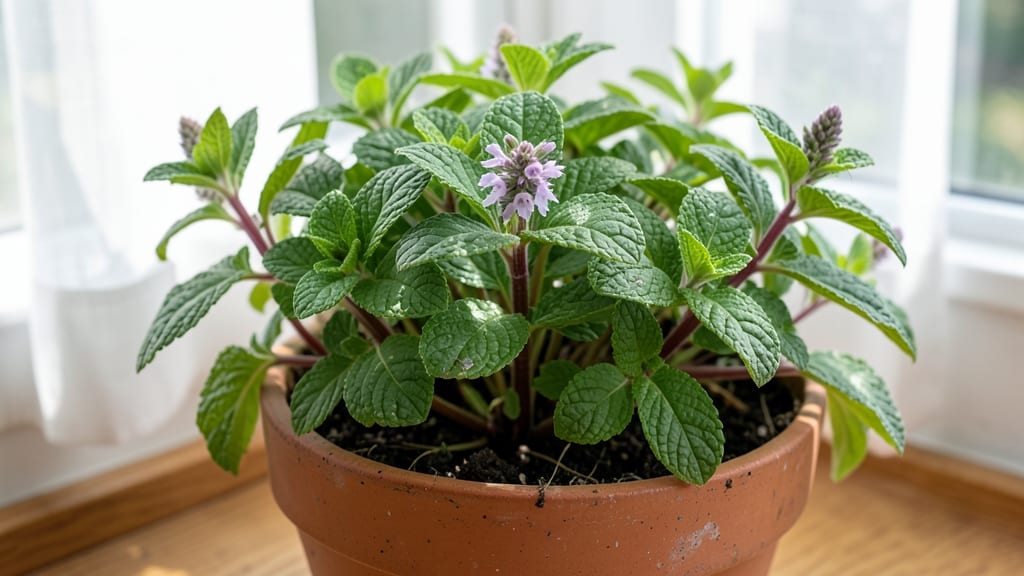
How to grow a chocolate mint plant transforms any garden corner with its rich, cocoa-like aroma. 🌿 I’ve grown it in everything from sunny borders to shady patios, and it thrives where other mints fail—even in containers. The secret? Rich, moist soil and regular pruning to keep it from taking over. This hardy perennial spreads fast but stays manageable with 3-4 inches of space between plants. It loves morning sun or dappled shade, and its deep roots mean less frequent watering once established. Start with cuttings (easier than seeds) or divide mature plants in spring for instant results. By midsummer, you’ll have lush, fragrant foliage perfect for teas, cocktails, or simply brushing against to release that chocolatey scent. Just watch for aggressive spreading—containers or buried edges help contain it. Works in zones 3-9, making it a versatile choice for nearly any climate. Let’s get those roots growing!
📚 In This Guide
- What you need
- Instructions
- Tips and common mistakes
- Wrapping up and next steps
What you need
- ● Chocolate mint plant: Start with a healthy Mentha × piperita 'Chocolate' cutting (4–6 inches long) or a nursery-grown plant.
- ● Containers (if not planting in-ground): 1–2 12-inch-wide pots with drainage holes (or a raised bed for multiple plants).
- ● Potting mix: 1 bag of well-draining, peat-based or coco coir mix (or garden soil amended with compost).
- ○ Organic compost: 1–2 cups to enrich soil (optional but recommended).
- ● Watering can or hose: With a gentle spray nozzle for moistening soil.
- ● Pruning shears: Sharp, sterilized shears for trimming (or clean scissors in a pinch).
- ● Mulch: 2–3 inches of straw, wood chips, or shredded leaves to retain moisture.
- ● Sunlight: Partial shade to full sun (3–6 hours of light daily; tolerates shade well).
- ● Water: Consistent moisture (keep soil damp but not soggy).
- ● Climate: Thrives in USDA Zones 3–11 (hardy to -30°F).
- ● Slow-release balanced fertilizer (5-10-5) for a mid-season boost.
- ● Epsom salt (1 tbsp in 1 gallon of water) for magnesium-rich foliage.
- ● Bee-friendly companion plants (like lavender or thyme) to deter pests.
Step-by-Step instructions for growing chocolate mint plant
Here's how to cultivate this aromatic perennial with minimal fuss—it spreads fast but stays manageable.
🌱 Step 1: Choose the Right Location for Your Chocolate Mint
Chocolate mint thrives in partial shade to full sun, making it versatile for gardens, containers, or even hanging baskets. I always pick a spot with at least 4-6 hours of sunlight—though it tolerates morning sun with afternoon shade in hotter climates. The key is moisture retention, so avoid windy areas where soil dries out quickly.
For containers, select pots at least 12 inches wide and deep—this plant spreads aggressively, and cramped roots lead to weak growth. If planting in the ground, space plants 18-24 inches apart to prevent overcrowding. Chocolate mint's square stems and crinkled leaves make it easy to identify once established, but watch for purple-tinged foliage in cooler weather—it's normal and adds charm.
💧 Step 2: Prepare Soil and Plant Your Chocolate Mint
This mint loves rich, well-draining soil with a slightly acidic to neutral pH (6.0-7.0). Amend heavy clay or sandy soil with 2-3 inches of compost before planting to improve moisture retention and fertility. I mix in a handful of slow-release organic fertilizer at planting time to give it a nutrient boost for the first few months.
Dig a hole twice as wide as the root ball but only as deep as the container it came in. Gently remove the plant from its nursery pot and loosen any circling roots with your fingers. Place it in the hole so the top of the root ball sits just below soil level—never bury the crown too deep, or it'll rot. Backfill with soil and press lightly to eliminate air pockets.
☀️ Step 3: Water and Maintain Optimal Growing Conditions
Water deeply once a week, aiming for 1-1.5 inches of water per session. Let the top 1-2 inches of soil dry out between waterings to prevent root rot—chocolate mint hates soggy conditions. In containers, you may need to water every 4-5 days, especially in hot weather. I check moisture by sticking my finger into the soil; if it feels dry past the first knuckle, it's time to water.
Fertilize every 6-8 weeks during the growing season with a balanced organic fertilizer (like 10-10-10). You'll notice lush, dark green leaves when it's happy—any yellowing means it needs more nitrogen or less water. Mulch around the base with 2-3 inches of shredded bark or straw to retain moisture and suppress weeds. This plant spreads via runners, so contain it in containers or use edging barriers in garden beds if you don’t want it taking over.
✂️ Step 4: Prune and Harvest for Best Results
Pinch back new growth by ⅓ in early spring to encourage bushier, more compact plants. Regular pruning also prevents the plant from becoming leggy and improves airflow, reducing the risk of fungal diseases. Harvest leaves as needed by snipping stems just above a set of leaves—this encourages more growth. The best time to harvest is morning, when essential oils are most concentrated.
Divide mature plants every 2-3 years in early spring to control spreading. Simply dig up the plant, separate the sections with a clean knife, and replant the strongest divisions. You’ll know it’s time when the center dies out—this is a sign the plant has outgrown its space. Chocolate mint also makes a fantastic cut-and-come-again herb; just leave at least 3-4 inches of growth after harvesting to keep the plant thriving.
⏰ Step 5: Overwintering and Long-Term Care
Chocolate mint is hardy in USDA zones 5-9, but it may die back in colder regions. In zones 4 or colder, grow it as an annual or dig up containers and store them in a cool, dark place over winter. In milder climates, reduce watering in winter to every 2-3 weeks unless there’s heavy frost. The plant will regrow from the roots in spring.
Watch for aphids or spider mites, which can infest stressed plants. A neem oil spray applied in early evening keeps pests at bay without harming the plant. With proper care, your chocolate mint will reward you with fragrant, chocolate-scented leaves for years—perfect for teas, cocktails, or fresh garnishes. Just be prepared for its enthusiasm; this plant doesn’t play shy about spreading!
Tips & tricks for growing chocolate mint plant
This fragrant perennial is a gardener's dream—once you get the basics right, it practically grows itself. Here's how to ensure your chocolate mint thrives.
Location Strategy: While chocolate mint tolerates partial shade, I've found the sweet spot is morning sun with afternoon shade in hotter climates—this prevents leaf scorch while still providing enough light for robust growth. For containers, place them where they'll get the 4-6 hours of sunlight mentioned in Step 1, but move them to shaded spots during peak afternoon heat. The plant's purple-tinged foliage in cooler weather is actually a good sign—it's just adapting to temperature changes, not a problem.
Container Considerations: The instructions mention pots need to be at least 12 inches wide and deep, but here's the thing: if you're growing chocolate mint in containers, plan for two containers. This plant spreads aggressively through runners, and even with the recommended spacing, it will quickly outgrow a single pot. I use a larger container for the main plant and a smaller one for the runners I redirect—this keeps things contained while still giving you plenty of harvestable leaves.
Watering Wisdom: The once-weekly watering guideline works for most garden beds, but container gardening changes the game. In pots, you'll need to water every 4-5 days—especially during hot weather—and always check that 1-1.5 inches of water actually reaches the roots. I've learned the hard way that chocolate mint in containers dries out faster than you'd think. A moisture meter is worth the investment here; it'll save you from overwatering (which causes root rot) or underwatering (which leads to crispy leaves).
Pruning Payoff: When the instructions say to pinch back new growth by ⅓ in early spring, this isn't just about shaping—it's about forcing the plant to produce more side shoots. Think of it like giving your mint a haircut: the more you trim, the bushier it gets. I also recommend harvesting leaves regularly throughout the growing season, not just in spring. This encourages continuous growth and prevents the plant from becoming too leggy. Just remember to leave those 3-4 inches of growth after each harvest to keep the roots nourished.
Pro Tips for Grow Chocolate Mint Plant
- This fragrant perennial is a gardener's dream—once you get the basics right, it practically grows itself.
- For containers, place them where they'll get the 4-6 hours of sunlight mentioned in Step 1, but move them to shaded spots during peak afternoon heat.
- Container Considerations: The instructions mention pots need to be at least 12 inches wide and deep, but here's the thing: if you're growing chocolate mint in containers, plan for two containers.
Frequently asked questions
Got questions about growing your own chocolate mint? You’re not alone! Here are answers to the most common queries from gardeners just like you.
How fast does chocolate mint grow?
Chocolate mint is a fast grower—expect it to spread aggressively! Within one growing season, you’ll see lush, fragrant foliage. If left unchecked, it can double in size every few weeks, so containment (like using pots or barriers) is key. Pro tip: Pinch back stems early to encourage bushier growth.
When is the best time to plant chocolate mint?
Plant in early spring (after the last frost) or early fall for optimal root establishment. Avoid planting in extreme heat—young plants can wilt quickly. If using cuttings, root them in water first (3–4 weeks) before transplanting. Bonus: It thrives in containers, so you can plant anytime!
Why isn’t my chocolate mint growing?
Slow growth usually means too much shade, poor drainage, or overcrowding. Ensure it gets 4–6 hours of sunlight daily (even partial shade works). Check soil moisture—it should stay consistently damp but not soggy. If roots are bound, divide the plant or repot it.
Can I grow chocolate mint indoors?
Place it near a sunny window (south-facing) or under grow lights (12–14 hours/day). Use a well-draining pot with holes and a moist, rich potting mix. Prune regularly to control size—indoor mint can get leggy without enough light. Pro tip: Rotate the pot weekly for even growth.
What can I do with chocolate mint besides tea?
This versatile herb is a game-changer! Use it to infuse cocktails, flavor desserts (think chocolate chip cookies!), or add to salads for a minty kick. Dry leaves for potpourri or crush fresh leaves to repel ants and mosquitoes naturally. Fun fact: It pairs perfectly with dark chocolate!
Wrapping up and next steps
Growing a chocolate mint plant is a rewarding journey—whether you’re drawn to its rich, cocoa-like aroma or its versatile uses in cooking and cocktails. With the right soil, sunlight (or shade), and a little patience, you’ll soon enjoy a fragrant, low-maintenance perennial that spreads effortlessly.
Once established, it’s a self-sustaining beauty that even beginners can master!
Ready to dive in? Start by gathering your supplies—then pick a sunny or shady spot in your garden (or even a container!) and let nature do the rest.
Soon, you’ll be harvesting lush, aromatic leaves to elevate your favorite recipes or relax with a soothing cup of mint tea. Happy growing! 🌱✨