
Size
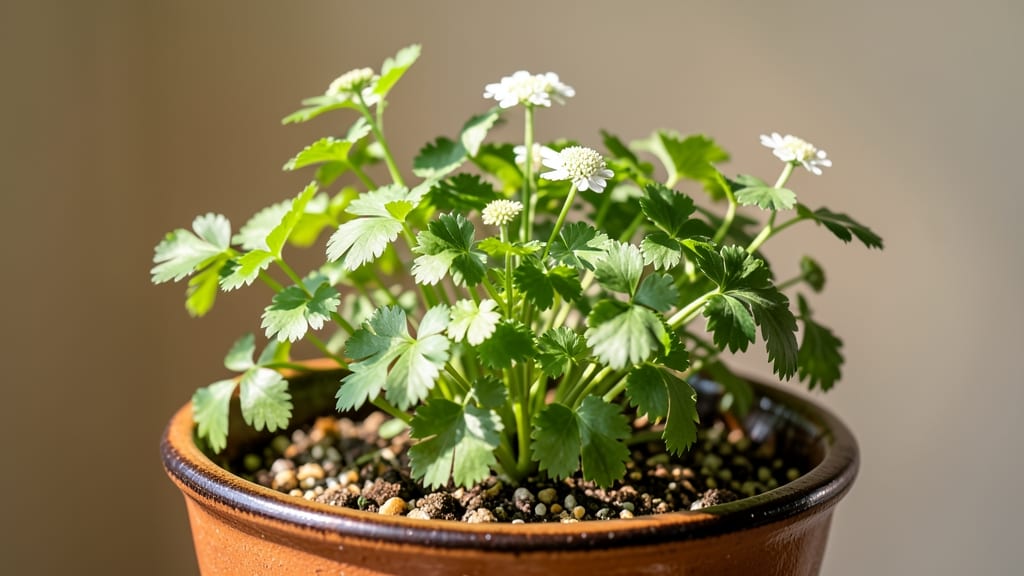
How to grow cilantro in Texas without it bolting into a sad, seed-strewn mess—it’s possible, and I’ve got the tricks. 🌱 I’ve grown cilantro here for years, and the secret isn’t just timing: it’s soil prep, shade, and watering hacks that keep it leafy through spring and fall. Most gardeners give up after one failed attempt, but this method works even in Central Texas’s brutal summers.
Start seeds indoors 6-8 weeks before your last frost (usually late February for North Texas, earlier for South). Use well-draining soil—Texas clay holds too much moisture—mixed with compost.
Plant in partial shade (morning sun max) and keep soil consistently moist, never soggy. The moment leaves wilt or yellow, you’re either underwatering or overwatering—both trigger bolting.
By mid-spring, your cilantro will stay vibrant green for 6-8 weeks if you harvest leaves often (never let it flower). When temps hit 85°F+, shade cloth becomes your best friend.
I’ve kept plants producing through June with 50% shade and daily watering—no bolting, just fresh leaves for tacos and soups.
Texas-specific pests? Aphids and spider mites love stressed cilantro. Spray with neem oil weekly, and pull up any bolted plants immediately—they spread faster than you’d think. With these tweaks, you’ll harvest more cilantro than you’ll know what to do with before summer shuts it down.
📚 In This Guide
- What you need
- Instructions
- Tips and common mistakes
- Wrapping up and next steps
What you need
- ● Cilantro seeds: Choose organic, non-GMO seeds (about 1–2 tbsp per 10 sq ft). Look for varieties like ‘Santo’ or ‘Calypso’, which bolt less easily.
- ● Containers or garden beds: Containers: 6–12 inch deep pots (minimum 4–6 inches wide) with drainage holes (2–3 plants per container).
- ● Garden beds: Full sun to partial shade (morning sun, afternoon shade works best). Soil should drain well.
- ● Potting mix or soil: Well-draining, organic-rich mix (e.g., 50% potting soil + 50% compost). Avoid heavy clay soil.
- ● Watering can or hose with gentle nozzle: Cilantro needs consistent moisture but hates soggy roots.
- ○ Mulch (optional but helpful): 1–2 inches of straw or shredded leaves to retain moisture and cool roots.
- ● Garden gloves (to protect hands from prickly stems).
- ● Trowel or small hand shovel (for transplanting or sowing seeds).
- ● Spray bottle (for misting seeds during germination).
- ● Pruning shears (to harvest leaves and encourage bushier growth).
- ○ Thermometer (optional): Monitor soil temps—cilantro bolts when soil exceeds 75°F (24°C).
- ● Timing: Plant in early spring (Feb–March) or fall (Sept–Oct) for cooler temps.
- ● Shade cloth (30–50% coverage): Use during peak summer heat (May–Aug) to protect plants.
- ● Patience: Cilantro grows slowly—germination takes 7–14 days.
Step-by-step instructions for growing cilantro in Texas
Here’s how to keep cilantro thriving—and avoid that dreaded bolt—using Texas’ cooler seasons.
🌱 Step 1: Time Your Planting for Cool Weather
Cilantro bolts when temperatures rise above 75°F, so Texas gardeners must plant during fall, winter, or early spring. Aim for September-October or February-March when daytime highs stay below 70°F. I’ve found that seeding in late September gives the best harvest before winter chill sets in.
If you must grow in summer, opt for shade-tolerant varieties like ‘Slow Bolt’ or ‘Calypso’ and plant in partial shade. Watch for wilting—cilantro’s a heat-sensitive diva. A simple trick: cover seedlings with lightweight shade cloth (30-50%) during peak afternoon sun.
🪴 Step 2: Choose the Right Soil and Containers
Cilantro thrives in well-draining, fertile soil with a pH of 6.2-6.8. In Texas’ often alkaline soil, amend with compost or peat moss to lower pH. I mix 2 parts potting soil with 1 part perlite for containers—this prevents root rot, which cilantro hates.
For containers, use 6-inch pots (4 plants per pot) or garden beds with 12-18 inches of spacing between plants. Cilantro’s shallow roots need room to spread, but don’t crowd—overcrowding stresses plants and speeds bolting. If planting in heavy clay soil, raise beds or use container gardening to improve drainage.
💧 Step 3: Water Consistently Without Overdoing It
Keep soil evenly moist but never soggy—cilantro’s roots rot easily in Texas’ humidity. Water every 2-3 days until the top inch of soil feels dry. I use a drip irrigation system or water in the early morning to prevent fungal issues. Avoid overhead watering once leaves emerge—wet foliage invites pests.
Here’s the thing: cilantro bolts faster when stressed. If you see yellowing leaves or wilting, adjust watering immediately. A self-watering container solves this—just fill the reservoir and let it do the work. Mulch with straw or shredded leaves to retain moisture and keep roots cool.
☀️ Step 4: Provide Partial Shade and Monitor Light
Cilantro needs 4-6 hours of morning sun and afternoon shade in Texas. A south-facing window with lacy curtains works indoors, while outdoors, plant near dappled shade (like under a tree). Too much sun = bolted cilantro in days. I’ve seen cilantro go from lush to flowering in under a week when exposed to full afternoon sun.
If growing in summer, move pots to a shadier spot by 10 AM. Watch for pale, leggy growth—that’s a sign it’s stretching for light. A reflective surface (like white plastic under pots) can boost light efficiency without overheating. Rotate pots weekly to prevent uneven growth toward the sun.
✂️ Step 5: Harvest Regularly to Encourage Growth
Harvest cilantro every 2-3 weeks by snipping outer leaves with clean scissors. This prevents bolting by encouraging bushier growth. Never cut more than ⅓ of the plant at once—cilantro recovers poorly from heavy pruning. I harvest just before flowering (when buds form) for the best flavor.
To extend the harvest, cut back stems to 2 inches after bolting—new leaves may regrow. Save seeds from bolted plants for next season (they’re coriander!). If cilantro bolts prematurely, cover the plant with a bucket for a few days to lower temperatures and delay flowering. It’s not perfect, but it buys you time.
Tips & tricks for growing cilantro in Texas
Texas’ heat can turn cilantro into a frustrating bolted memory—unless you use these battle-tested strategies to keep it thriving.
Heat Management: The 75°F threshold isn't just a number—it's the difference between lush cilantro and sad white flowers. I've tracked my garden's microclimates and found that even a 5°F dip below 70°F in late afternoon makes all the difference. Use a digital thermometer to monitor your planting area, especially in urban heat islands where pavement radiates heat. For container growers, white pots reflect heat better than black—they can keep roots 3-5°F cooler during peak sun.
Soil Science: Texas soil's natural alkalinity (often pH 8.0+) is cilantro's worst enemy. Beyond the compost/peat moss mix, I've had success with a simple vinegar rinse: mix 1 cup white vinegar with 1 gallon water and lightly water your amended soil before planting. This gives an instant pH drop. For containers, I swear by a 2:1:1 ratio of potting soil, perlite, and worm castings—this combo prevents compaction while improving drainage and microbial activity. Test your soil's pH every 2 months during growing season.
Stress Prevention: That wilting you see isn't just thirst—it's often heat stress. I've trained myself to check for the "10 AM wilt" pattern: if leaves are already drooping by 10 AM, your plants are struggling. At this point, move containers to shade immediately and soak roots in cool water for 10 minutes. For garden beds, install a simple shade sail (30% shade cloth) that you can retract after the critical 10 AM period. Mulch with straw 2-3 inches deep to maintain even soil temps—this buffer zone can keep roots 10°F cooler than surface temps.
Light Strategy: The 4-6 hours of morning sun rule is non-negotiable, but how you implement it matters. I've found that cilantro grown under sheer white fabric (like row cover) gets 50% more usable light than under traditional shade cloth. Hang this fabric 18 inches above plants to create diffused light. For indoor growers, position plants 12-18 inches from a south-facing window and rotate them 90 degrees daily to prevent leaning. LED grow lights on a 12-hour timer can supplement winter light, but keep them 6-8 inches above plants to avoid heat buildup.
Pro Tips for Grow Cilantro In Texas
- Texas’ heat can turn cilantro into a frustrating bolted memory—unless you use these battle-tested strategies to keep it thriving.
- Heat Management: The 75°F threshold isn't just a number—it's the difference between lush cilantro and sad white flowers.
- Soil Science: Texas soil's natural alkalinity (often pH 8.0+) is cilantro's worst enemy.
Frequently asked questions
Got questions about growing cilantro in Texas?
You’re not alone—this herb can be tricky in our hot climate! Here are answers to the most common concerns to help you grow lush, flavorful cilantro without the stress.
Why does my cilantro bolt so fast in Texas?
Texas heat triggers bolting (flowering) because cilantro is a cool-season crop. To delay it, plant in early spring (Feb–March) or fall (Sept–Oct), use shade cloth (30–50% coverage), and water deeply to keep roots cool. Varieties like ‘Slow Bolt’ or ‘Calypso’ are more heat-tolerant but still need shade.
How long does it take for cilantro to grow in Texas?
From seed to harvest, expect 4–6 weeks in ideal conditions (cool temps, consistent moisture). In Texas’ heat, it may bolt faster—sometimes in just 3–4 weeks. For a continuous harvest, sow new seeds every 2–3 weeks in fall or spring.
Can I grow cilantro indoors in Texas?
Use a sunny windowsill (6+ hours of light) or a grow light. A 6-inch pot with well-draining soil works well. Keep temps below 75°F (use a fan if needed) and harvest leaves before flowers appear. Bonus: Indoor cilantro avoids Texas pests like aphids!
What pests or diseases should I watch for in Texas?
Common culprits include aphids (suck sap, causing curling leaves) and cabbage loopers (chew holes). For prevention, spray plants with neem oil or introduce ladybugs. Overwatering can lead to fungal diseases like powdery mildew—ensure soil drains well and avoid wet foliage.
What can I plant with cilantro to prevent bolting?
Companion planting helps! Try these cilantro-friendly pairs:
- Lettuce or spinach: Shares similar water needs and provides light shade.
- Carrots: Their deep roots aerate soil without competing for nutrients.
- Onions or garlic: Repels pests like aphids that target cilantro.
Wrapping up and next steps
Growing cilantro in Texas is totally doable—just embrace the cool-season hacks and patience to outsmart bolting! With the right soil, shade, and timing, you’ll enjoy fresh, flavorful herbs all year. Start small, experiment with varieties, and soon you’ll be harvesting cilantro like a pro—no heat stress in sight!
Ready to dive in? Grab your seeds, pick a spot, and plant your first batch today! 🌱