
Propagation
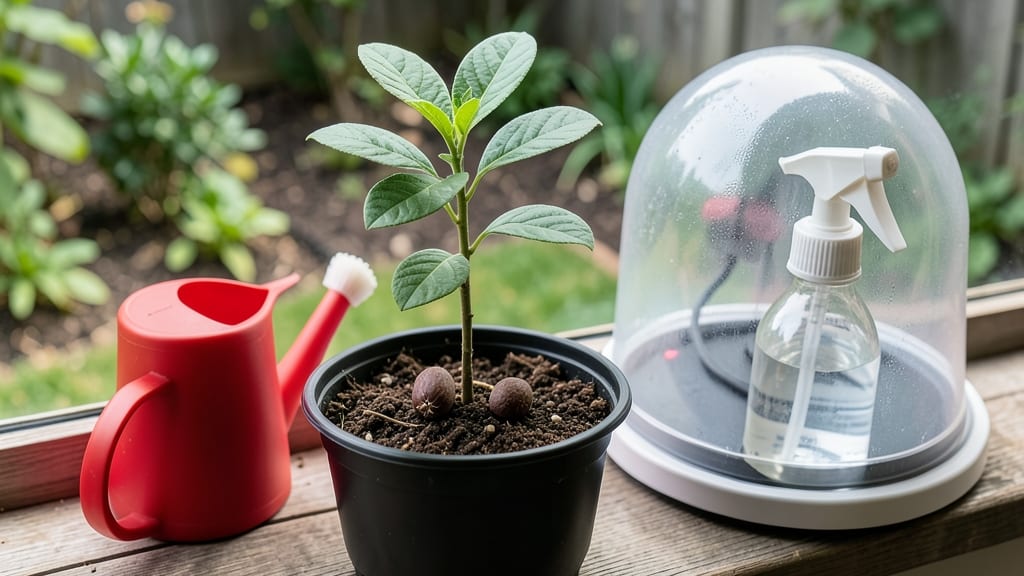
How to grow a guava tree from seed means tropical fruit in your yard within three years. 🌱 I’ve watched these fast-growing trees go from tiny seedlings to heavy-fruiting giants—and the secret starts with the right seed and patience. Most people skip this step because they think it’s too slow, but the payoff is worth it when you’re biting into your own sun-ripened guavas.
The process is simpler than you’d expect: soak the seed overnight, plant it in moist potting mix, and keep it warm. Germination takes 2-4 weeks, and once the first leaves appear, you’ll need to transplant carefully to avoid root damage.
Guavas love full sun, well-draining soil, and consistent water—but they’re tough enough to handle a little neglect once established.
By year three, you’ll see 10-foot-tall trees with glossy leaves, and if you’re lucky, your first small fruits. The key is protecting young plants from frost and pests while they grow. With the right care, your guava tree could outlive you—and keep producing fruit for decades.
Even if you live outside the tropics, container growing works for young trees. Here’s how to get started without common pitfalls—like overwatering or transplant shock—that kill seedlings before they begin.
📚 In This Guide
- What you need
- Instructions
- Tips and common mistakes
- Wrapping up and next steps
What you need
- ● Guava seeds: 3–5 fresh, plump seeds (harvested from ripe guava fruit). Pro tip: 💡 Store-bought seeds may not germinate as well—opt for fresh!
- ○ Small pots or seed trays: 2–3 (4–6 inches deep) with drainage holes. Optional: Biodegradable peat pots for easy transplanting.
- ● Well-draining potting mix: 2–3 bags (cactus/succulent mix or a blend of coconut coir, perlite, and compost).
- ● Spray bottle: For gentle watering (avoid over-saturating seeds).
- ● Plastic wrap or clear lid: To create a mini greenhouse effect.
- ● Grow lights or sunny windowsill: Guava seeds need bright, indirect light (6+ hours/day).
- ● Larger container (5+ gallons): For transplanting seedlings after 3–6 months.
- ● Pruning shears: For trimming leggy seedlings later.
- ○ Fertilizer (balanced or citrus-specific): 5-5-5 or 6-6-6 NPK ratio (diluted to half-strength). Optional: Organic options like fish emulsion or compost tea.
- ○ Mulch (optional): Straw or wood chips to retain moisture in outdoor plantings.
- ● Climate: Guava thrives in USDA Zones 9–11 (or indoors in cooler zones). ❄️ If you live in a frost-prone area, grow in containers and bring inside during winter.
- ○ Temperature: Seeds germinate best in 75–90°F (24–32°C). Use a seedling heat mat (optional) if your home is cooler.
- ● Patience: Germination can take 2–4 weeks (or up to 2 months for stubborn seeds!).
- ● Space: Mature guava trees need 15–20 feet of width (or regular pruning for smaller spaces).
Step-by-step instructions for growing guava trees from seed
Here’s how to nurture a guava tree from seed—it’s slower than grafting, but the reward is a hardy fruit-bearing tree with deep roots.
🌱 Step 1: Select and Prepare the Seed
Choose a fresh guava seed from a ripe, organic fruit—avoid seeds from store-bought guavas, as they’re often treated to prevent sprouting. Rinse the seed thoroughly to remove all pulp, then let it dry for 24 hours at room temperature. This prevents mold while keeping the seed viable.
Once dry, place the seed between two damp paper towels in a sealed plastic bag. Store it in a warm spot (75-80°F) for 7-10 days—this mimics tropical conditions and speeds up germination. Check daily; the seed is ready when it splits open slightly and a tiny white root emerges.
🪴 Step 2: Plant the Germinated Seed in a Pot
Fill a 4-inch diameter pot with well-draining potting mix (avoid garden soil—it’s too dense). Make a small hole (½ inch deep) in the center and gently place the germinated seed with the root facing downward. Cover lightly with soil, leaving the top half of the seed exposed.
Water lightly until the soil feels moist but not soggy. Place the pot in a warm, bright spot (65-75°F) with indirect sunlight—direct sun can scorch the delicate sprout. A clear plastic bag over the pot creates a humidity dome, which helps the seedling establish roots faster.
☀️ Step 3: Transplant and Provide Care for Early Growth
After 4-6 weeks, when the seedling reaches 4-6 inches tall with 3-4 true leaves, transplant it into a 6-inch pot with fresh potting mix. Handle the roots gently—guava seedlings are fragile and prone to shock. Water thoroughly after transplanting to settle the soil around the roots.
Move the seedling to a sunny location with at least 6 hours of direct sunlight daily. If growing indoors, supplement with a grow light (12-14 hours/day). Fertilize lightly every 4-6 weeks with a balanced, water-soluble fertilizer (10-10-10) to encourage strong growth without burning tender roots.
⏰ Step 4: Transition to Outdoor Conditions
Once the seedling is 12-18 inches tall and has strong stems, it’s ready for outdoor hardening. Place it in a sheltered, partially shaded spot for 1-2 hours the first day, gradually increasing exposure over 2 weeks. This helps the plant adjust to wind, sun, and temperature fluctuations.
After hardening, plant the guava seedling in a well-draining soil bed with full sun exposure. Guavas thrive in warm climates (USDA Zones 9-11) but can survive in cooler areas if protected from frost. Mulch around the base to retain moisture and regulate soil temperature—this mimics the tropical conditions guavas love.
🌿 Step 5: Prune and Maintain for Fruit Production
Prune the tree annually in late winter or early spring to remove dead or crossing branches. Guavas grow best with an open canopy, so thin out crowded growth to improve airflow and sunlight penetration. Avoid heavy pruning—guavas fruit on new growth, and aggressive cuts can delay fruiting.
Water deeply once a week during dry spells, but avoid overwatering—guavas are drought-tolerant once established. In 3-5 years, your seed-grown guava tree will produce fruit, though grafted varieties may bear earlier. Patience pays off with a tree that’s disease-resistant and thrives in your climate.
Tips & tricks for growing guava trees from seed
Growing a guava tree from seed is a rewarding journey that demands patience and attention to detail. Here are the key insights I’ve learned to help you avoid common pitfalls and maximize your success.
Germination Conditions: The 75-80°F temperature range during germination is non-negotiable for consistent results. If your home stays cooler, consider using a seedling heat mat set to 75°F—this mimics tropical conditions and significantly speeds up the process. I’ve seen germination times drop from 10 days to just 5 days with consistent warmth. Keep the paper towels damp but not soggy; excess moisture leads to mold, which can kill your seed before it even sprouts.
Seedling Care: When transplanting your seedling after 4-6 weeks, focus on the root system—guava seedlings have delicate roots that break easily. Use a small trowel to loosen the soil around the edges of the root ball before transferring it to the new pot. This minimizes root damage and helps the seedling establish faster. After transplanting, water thoroughly but avoid overwatering; guava seedlings are prone to root rot if kept too wet.
Light Requirements: The 12-14 hours of light per day is crucial for strong, healthy growth. If you’re growing indoors, position your grow light just a few inches above the plant—close enough to provide strong light without overheating the leaves. I’ve found that rotating the pot weekly ensures even growth and prevents the seedling from leaning toward the light source. Yellowing leaves often indicate insufficient light, so adjust your setup if you notice this happening.
Hardening Process: The 2-week hardening period before moving your guava seedling outdoors is essential for its survival. Start with just 1-2 hours of exposure on the first day, then gradually increase the time. Watch for signs of stress like wilting or curled leaves—these indicate the plant isn’t ready for more sun. In my experience, guava seedlings that skip this step often struggle with transplant shock and may even die if exposed to full sun too quickly.
Pro Tips for Grow Guava Tree From Seed
- Growing a guava tree from seed is a rewarding journey that demands patience and attention to detail. Here are the key...
- Germination Conditions: The 75-80°F temperature range during germination is non-negotiable for consistent results. If...
- Seedling Care: When transplanting your seedling after 4-6 weeks, focus on the root system—guava seedlings have delica...
Frequently asked questions
Got questions?
Growing guava from seed is rewarding but comes with a few quirks. Here are answers to the most common curiosities—so you can grow with confidence!
How long does it take for guava seeds to germinate?
Guava seeds typically sprout in 14–30 days if kept in warm (70–85°F), moist conditions. Patience is key—some seeds may take longer, especially if stored dry. Pro tip: Soak seeds overnight before planting to speed up germination!
Can I grow a guava tree indoors?
While possible, guava trees thrive outdoors in tropical climates. Indoors, they’ll need bright, indirect light (6+ hours/day) and a warm spot (65°F+). Expect slower growth and smaller fruit. If you’re determined, use a large pot (10+ gallons) and prune regularly to control size. Warning: They’re messy—save this for green thumbs with space!
Will my homegrown guava tree produce fruit?
Yes—but it may take 3–5 years for seed-grown trees to bear fruit. For faster results, graft a mature variety onto your seedling. Fruit quality varies by seed source (wild guavas may be smaller or less sweet). Fun fact: Trees grown from store-bought guavas often yield better-tasting fruit!
Why are my guava seedlings wilting or turning yellow?
Common culprits include overwatering (guavas hate soggy roots), pests (like spider mites), or nutrient deficiencies (use a balanced fertilizer). Check soil moisture (top inch should dry between waterings) and inspect leaves for holes or webbing. Fix it: Trim affected leaves and treat with neem oil if pests strike.
Can I plant guava seeds directly in the ground?
Direct sowing works in warm climates (USDA zones 9–11) with no frost risk. Plant seeds ½ inch deep in well-draining soil after the last frost. In cooler areas, start seeds indoors 8–12 weeks before the last frost, then transplant seedlings outdoors after temperatures stabilize. Bonus: Mulch young plants to retain moisture and protect roots!
Wrapping up and next steps
Growing a guava tree from seed is a rewarding journey that blends patience with the joy of nurturing life!
With the right soil, sunlight, and care, you’ll soon watch your tiny seedling transform into a lush, fruit-bearing tree in just 3 years. 🌱✨ Don’t let challenges discourage you—every gardener faces them, and your persistence will pay off with sweet, tropical rewards.
Now that you’re armed with knowledge, it’s time to take action. Start by planting those seeds today, and soon, you’ll be sharing fresh guavas with friends or enjoying them straight from your own backyard. Happy growing!