
Size
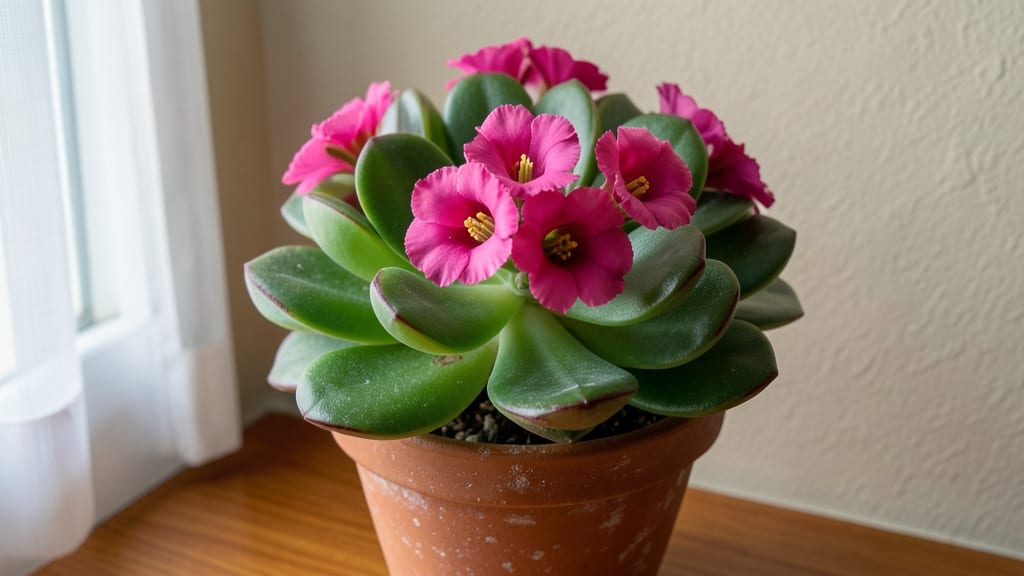
How to grow a kalanchoe plant feels like cultivating tiny bursts of sunshine. 🌿 These cheerful succulents thrive with almost no effort once you understand their three basic needs: bright light, infrequent watering, and well-draining soil. I’ve grown them for years, and they’ve never once complained—just sent me blooms in winter when everything else is dormant.
The secret to happy kalanchoes is simple: water only when the soil is bone-dry, place them in south-facing windows or under grow lights, and use a cactus mix with extra perlite.
Overwatering is their only nemesis, so I treat them like desert plants—drought-tolerant and proud of it. A 4-inch pot works for starters, but they’ll stretch toward the sky if given room.
You’ll notice new leaves forming within weeks, and those thick, waxy stems are nature’s way of saying “I’m thriving.” The best part? They multiply like wildfire—snip a stem, let it callus, and plant it.
Before you know it, you’ll have a whole shelf of these cheerful little plants, all blooming at once. No green thumb required.
Pair them with other low-maintenance succulents like echeveria or sedum, and you’ve got a desert oasis that needs almost no attention. Even my forgetful self keeps these alive—just don’t let them sit in soggy soil, and they’ll reward you with years of color. Ready to try?
📚 In This Guide
- What you need
- Instructions
- Tips and common mistakes
- Wrapping up and next steps
What you need
- ● Kalanchoe plant – Start with a healthy cutting (3–4 inches long) or a nursery-grown plant.
- ● Well-draining soil – A cactus or succulent mix (or regular potting soil amended with 50% perlite or pumice to improve drainage).
- ● Pot with drainage holes – Choose a container at least 1–2 inches wider than the plant’s root ball (terracotta or ceramic works best).
- ● Watering can or spray bottle – A thin spout helps avoid overwatering.
- ○ Rooting hormone (optional but helpful) – Speeds up root growth for cuttings.
- ● Pruning shears or sharp knife – For trimming cuttings or dead leaves.
- ● Gravel or pebbles – Add a ½-inch layer at the bottom of the pot for extra drainage.
- ● Sunlight spot – A south-facing window or grow light (6+ hours of indirect light daily).
- ● Fertilizer (balanced or succulent-specific) – Diluted to ½ strength during growing season (spring–summer).
- ○ Humidity tray (optional) – Helps if your home is very dry (Kalanchoe tolerates low humidity but thrives with occasional misting).
Step-by-step instructions for growing kalanchoe plants
Here's my foolproof method for growing lush, blooming kalanchoe plants that thrive with minimal fuss.
🪴 Step 1: Choose the Right Pot and Soil Mix
Kalanchoe plants need excellent drainage, so pick a pot with drainage holes—terracotta works best. I like to use a container that's only slightly larger than the plant's root ball; too much space encourages rot. For soil, mix 50% cactus/succulent mix with 50% perlite or pumice to create a gritty, airy blend. This prevents soggy roots and mimics their natural rocky habitat.
Fill the pot about halfway with your mix, then tap it gently to settle the soil. The goal is a loose, fluffy texture that water runs through easily. If you're repotting an established plant, remove the old soil completely—kalanchoe roots don't like being disturbed, but compacted soil will strangle growth.
☀️ Step 2: Position for Bright, Indirect Light
Kalanchoe plants crave bright, indirect light—think 4-6 hours of morning sun followed by afternoon shade. A south-facing window with sheer curtains works perfectly. Too much direct sun causes leaf scorch (you'll see crispy brown edges), while too little light leads to leggy, weak stems that flop over.
Rotate your plant a quarter turn weekly so it grows evenly. You'll notice new growth leaning toward the light—this is your cue to adjust the pot's position. If your home has low light, supplement with a grow light kept 6-12 inches away for 12-14 hours daily. Weak light makes them stretch and lose their compact shape.
💧 Step 3: Water Sparingly and Only When Dry
The #1 killer of kalanchoe plants is overwatering. Stick your finger 1-2 inches into the soil—if it feels dry, it's time to water. Water deeply until it drains from the bottom, then empty the saucer immediately. You want the soil to dry out completely between waterings, which usually means every 2-3 weeks in winter and weekly in summer.
Water in the morning so excess moisture evaporates during the day. I use room-temperature water to avoid shocking the roots. If you see the leaves pucker or turn translucent, you've overwatered—let the soil dry out completely before watering again. Yellowing leaves usually mean too much water, while wrinkled leaves mean it's thirsty.
✂️ Step 4: Prune and Encourage Bushy Growth
Pinch or cut back leggy stems to promote bushier growth. Use clean, sharp scissors to snip just above a leaf node (the bump where leaves grow). This encourages new branches to form. I do this in early spring when the plant starts its active growth phase—you'll see fresh new leaves sprouting within 2-3 weeks.
Deadhead spent flowers by cutting the stem back to the base. This redirects energy to new blooms instead of seed production. If your kalanchoe gets too tall and top-heavy, trim the top 1/3 off and propagate the cutting in water or soil. The parent plant will branch out from below, giving you a fuller shape.
🌱 Step 5: Fertilize Lightly and Promote Blooming
Feed your kalanchoe once in spring and once in summer with a balanced, diluted liquid fertilizer (half-strength). Over-fertilizing burns roots and causes salt buildup in the soil. I use a 20-20-20 formula but cut the recommended dose in half. Water thoroughly before and after fertilizing to prevent root burn.
To encourage blooming, give your plant 12-14 hours of darkness daily for 6-8 weeks before you want flowers. This mimics their natural short-day flowering cycle. Place it in a closet or cover it with a box during this time. You'll see flower buds form within 4-6 weeks—just don't move the plant during this critical period, or it may drop buds.
Tips & tricks for perfect kalanchoe care
A few simple secrets that'll make your kalanchoe thrive like a pro's plant.
Pot and Soil Strategy: When repotting, choose a pot that's only slightly larger than the root ball—too much space means excess soil stays damp too long. I've found that terracotta pots work best because they wick away moisture, but any pot with drainage holes will do. Pro tip: Tap the sides of your pot after filling it halfway with soil mix to eliminate air pockets—this ensures even water distribution and prevents dry spots where roots might struggle.
Light Positioning Hack: The 4-6 hours of morning sun is crucial, but watch for those crispy brown edges that signal too much direct light. I've learned to place my kalanchoe near an east-facing window first—it gets gentle morning sun without the harsh afternoon rays. If you notice your plant stretching toward the light, it's begging for more brightness. A grow light kept 6-12 inches away for 12-14 hours can be a game-changer for low-light situations.
Watering Wisdom: The finger test is your best friend—stick your finger 1-2 inches into the soil. If it feels dry, water thoroughly until it drains from the bottom, then empty that saucer immediately. I've ruined more kalanchoes than I'd admit by ignoring this step. Remember, these plants store water in their leaves, so they'd rather go thirsty than drown. Yellow leaves mean too much water; wrinkled leaves mean it's time to hydrate.
Pruning Payoff: That early spring trim isn't just about looks—snipping just above a leaf node sends a signal to your plant to branch out. I've seen leggy stems transform into bushy beauties within just 2-3 weeks after pruning. And when you deadhead those spent flowers, you're not just cleaning up—you're redirecting energy to produce more vibrant blooms. Think of it as giving your plant a fresh start every season.
Pro Tips for Grow Kalanchoe Plant
- A few simple secrets that'll make your kalanchoe thrive like a pro's plant.
- Pot and Soil Strategy: When repotting, choose a pot that's only slightly larger than the root ball—too much space means excess soil stays damp too long.
- Light Positioning Hack: The 4-6 hours of morning sun is crucial, but watch for those crispy brown edges that signal too much direct light.
Frequently asked questions
Got questions about growing your Kalanchoe? You’re not alone! Here are answers to the most common curiosities—from pruning to pests and everything in between.
How often should I water my Kalanchoe?
Water your Kalanchoe every 2–3 weeks (or when the soil is completely dry). Overwatering is the #1 killer—these succulents store water in their leaves! Use the "finger test": Stick your finger 1–2 inches into the soil. If it’s dry, it’s time to water. Pro tip: Always use a pot with drainage holes to prevent root rot.
Why aren’t my Kalanchoe flowers blooming?
Kalanchoes need 12–14 hours of darkness daily for 6+ weeks to trigger blooming (called "dark treatment"). Place them in a closet or cover with a box during nighttime. Avoid bright light during this period. Also, ensure they’re getting bright, indirect sunlight the rest of the time and aren’t overcrowded. Patience pays off—some varieties bloom for months!
What should I do if my Kalanchoe has bugs?
Common pests like mealybugs, aphids, or spider mites love Kalanchoes. Start by wiping leaves with a soapy water solution (1 tsp mild soap + 1 quart water). For stubborn infestations, use neem oil (diluted as directed) or insecticidal soap. Isolate the plant to prevent spreading. Prevention tip: Inspect new plants before bringing them home!
When and how should I prune my Kalanchoe?
Prune in early spring to shape the plant or encourage bushier growth. Use clean scissors to snip just above a leaf node (where leaves grow). You can also propagate the cuttings! Avoid heavy pruning in fall/winter, as the plant needs energy to recover. Bonus: Deadheading spent flowers keeps the plant looking tidy and promotes new blooms.
What’s the ideal temperature for Kalanchoe care?
Kalanchoes thrive in 65–75°F (18–24°C) during the day and can tolerate 50°F (10°C) at night. Avoid temperatures below 50°F (10°C) or above 85°F (29°C) for long periods, as they’re sensitive to frost and heat stress. A sunny windowsill or under grow lights works perfectly!
Can I grow Kalanchoe from cuttings?
Take a healthy stem cutting (3–4 inches long) and let it dry for 1–2 days to callus over. Place it in well-draining soil or a jar of water (change water every 3–4 days). Keep it in bright, indirect light and mist occasionally. Roots should form in 2–4 weeks! Perfect for free plants and expanding your collection.
Wrapping up and next steps
Growing kalanchoe plants is a rewarding journey that brings vibrant blooms and low-maintenance beauty to your space! With the right light, soil, and care, these succulents thrive effortlessly—perfect for beginners and plant lovers alike. 🌿✨
Now that you’re armed with the key steps, why not try propagating your own plant or share your newfound knowledge with a fellow green thumb? Your kalanchoe will thank you with stunning flowers and lush growth—happy planting! 🌸