
Size
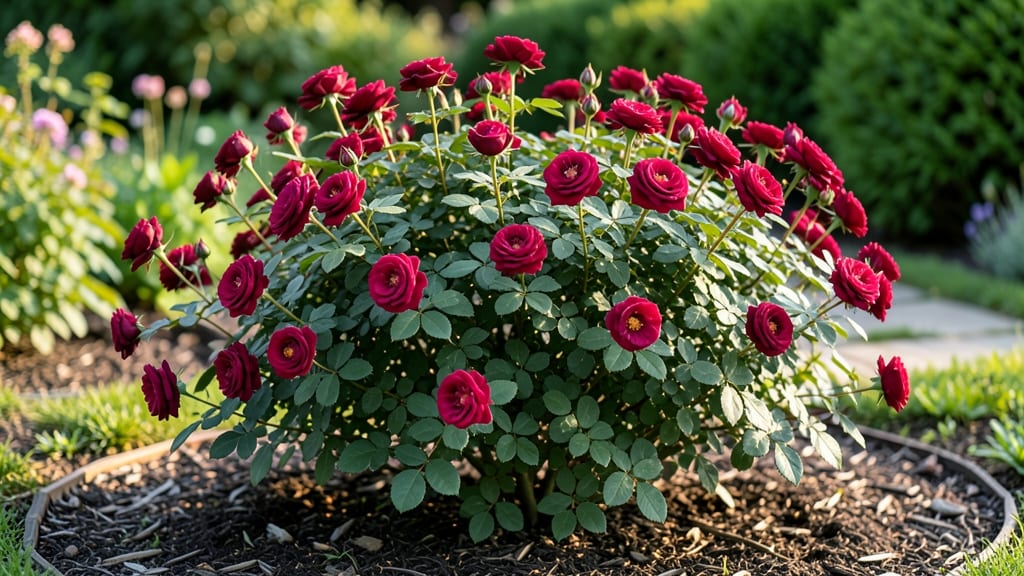
How to grow knockout rose bushes feels like cheating—vibrant blooms all season with almost no effort. 🌹 I've watched these bushes transform my yard from "meh" to "wow" with just a few key tricks, and I'm sharing exactly how to do it. The secret starts with the right soil and sunlight. These roses thrive in full sun and well-draining soil—no fancy amendments needed. Plant them in spring or fall, and give them space to grow (3-4 feet apart). Water deeply once a week, and you're already ahead of most gardeners. By summer, you'll have clusters of blooms that last for weeks, with minimal deadheading needed. They're disease-resistant, so you skip the chemical sprays, and their repeat-blooming habit means color from spring until frost. Even in winter, these bushes hold their own with basic protection. Here's how to keep them thriving year after year—no green thumb required.
📚 In This Guide
- What you need
- Instructions
- Tips and common mistakes
- Wrapping up and next steps
What you need
- ● Knockout rose bush(es) – Choose Rosa ‘Knock Out’ (or a variety like ‘Double Knock Out’ or ‘Rainbow Knock Out’). Buy 1-3 plants depending on your garden size.
- ● Well-draining soil – A mix of native soil + compost (50/50 ratio) or potting mix for containers. Knockouts thrive in slightly acidic to neutral soil (pH 6.0–6.5).
- ● Sunlight access – 6+ hours of direct sun daily (full sun for best blooms).
- ● Watering can or hose – With a gentle spray nozzle to avoid disturbing roots.
- ● Organic mulch – 2–3 inches of shredded bark, pine straw, or compost to retain moisture and suppress weeds.
- ● Garden trowel or shovel – For digging holes 1.5x wider than the root ball.
- ● Pruning shears – Bypass pruners (sharp, clean, and sterilized with rubbing alcohol).
- ● Garden gloves – Heavy-duty, long-cuffed to protect from thorns.
- ● Measuring tape or ruler – To ensure proper planting depth.
- ○ Stakes or cages (optional) – 5–6 ft tall for support (Knockouts grow 3–5 ft tall).
- ● Fertilizer – Balanced rose food (10-10-10) or slow-release granules (apply at planting and mid-season).
- ● Epsom salt – 1 tbsp per plant monthly for magnesium boost (prevents yellowing leaves).
- ● Drip irrigation system – For consistent moisture (Knockouts love water but hate soggy roots).
- ● Rose food spray – For foliar feeding during blooming season.
Step-by-step instructions for growing Knockout roses
Here's how I grow these low-maintenance beauties with bold blooms all season.
🌱 Step 1: Choose the Perfect Planting Location
Knockout roses thrive in full sun—at least 6 hours daily. I always pick a spot with morning sun and afternoon shade if your climate gets scorching afternoons. The soil should drain well; these roses hate soggy roots. Test your spot by digging a 12-inch hole—if water pools after 30 minutes, amend the soil with compost or plant in a raised bed.
Here's the thing—these bushes grow 3-4 feet wide, so space them 4 feet apart for proper airflow. Good circulation prevents fungal diseases that can ruin blooms. I mark the spots with stakes before digging to ensure even spacing.
💧 Step 2: Prepare the Soil and Plant Correctly
Loosen the soil to a depth of 18 inches with a shovel or garden fork. Mix in 2-3 inches of compost to improve fertility and drainage. Avoid fresh manure—it can burn roots. For heavy clay soil, blend in 1 part sand to 3 parts soil to create a looser texture.
Dig a hole twice as wide as the root ball but no deeper. Place the rose so the graft union (the swollen area near the base) sits 2-3 inches below soil level. This protects it from winter cold and encourages strong growth. Backfill with native soil mixed with compost, tamping gently as you go to remove air pockets.
☀️ Step 3: Water Deeply and Mulch Properly
Water immediately after planting to settle the soil and eliminate air gaps. Give it 1 gallon of water per plant—enough to soak down 12 inches. You'll know you've done it right when water runs out the bottom of the hole. After that, water 2-3 times weekly during the first growing season, providing 1-2 gallons per plant each time.
Spread 2-3 inches of mulch around the base, keeping it 6 inches away from the stem. I use shredded bark or pine straw because it breaks down slowly and improves soil structure over time. This mulch layer locks in moisture and keeps roots cool in summer.
✂️ Step 4: Prune for Healthy Growth and More Blooms
Knockout roses need minimal pruning, but I always cut back 1/3 of the oldest stems in early spring to encourage new growth. Remove any dead, diseased, or crossing branches first—these compete with healthy growth. Use clean, sharp pruners to make cuts at a 45-degree angle, about 1/4 inch above an outward-facing bud.
Here's what I do in summer: After each flush of blooms, trim back stems by 1/3 to promote bushier growth and more flowers. Never cut into old wood—Knockouts bloom on new growth, so you're always shaping the current season's stems. I also remove any suckers that sprout below the graft union to keep energy focused on the main plant.
🌿 Step 5: Feed and Maintain for Continuous Blooms
Apply a balanced rose fertilizer (10-10-10) in early spring when you see new growth. I use about 1/4 cup per plant, sprinkling it around the drip line and watering it in well. Then, every 6-8 weeks through summer, switch to a low-nitrogen, high-phosphorus fertilizer (like 5-10-5) to encourage more blooms instead of leafy growth.
Watch for pests like aphids or Japanese beetles—they love these roses. I spray with neem oil at the first sign of trouble, which prevents damage without harming beneficial insects. Deadhead spent blooms regularly to keep the plant focused on producing new flowers rather than seeding. With this care, my Knockouts bloom from spring until frost!
Tips & tricks for perfect Knockout rose bushes
These simple strategies will help you avoid common pitfalls and get the most vibrant blooms from your Knockout roses.
Sunlight Strategy: The 6 hours of daily sun is non-negotiable, but here's what I've learned: If your climate has scorching afternoons, position your roses to catch morning sun and afternoon shade. I've seen roses wilt dramatically when planted in full afternoon sun during summer months. Also, watch for nearby trees that might cast shade as they grow—Knockouts need that consistent light to produce their signature bold blooms.
Soil Test Tip: Before planting, do this quick test: Dig a 12-inch hole and fill it with water. If it drains completely within 30 minutes, your soil is perfect. If it takes longer, you'll need to amend with compost or consider a raised bed. I've had to replant roses twice because of poor drainage—don't make my mistake! For heavy clay soil, that 1 part sand to 3 parts soil mix makes a world of difference in root health.
Planting Depth Secret: That 2-3 inches below soil level for the graft union isn't just about winter protection—it's about encouraging strong growth. I've noticed my healthiest roses are those where I've been particularly careful about this depth. Use a pencil or marker to mark where the graft union should sit before planting, then double-check as you backfill. This simple step prevents weak growth at the base that can lead to disease.
Watering Wisdom: The 1 gallon per plant immediately after planting isn't just about settling the soil—it's about eliminating air pockets that can strangle new roots. After that, those 2-3 weekly waterings should be deep waterings. I use a long nozzle on my hose to water slowly until I see water running out the bottom of the hole. This encourages roots to grow deep rather than staying shallow, which makes your roses more drought-resistant once established.
Pro Tips for Grow Knockout Rose Bushes
- These simple strategies will help you avoid common pitfalls and get the most vibrant blooms from your Knockout roses.
- Sunlight Strategy: The 6 hours of daily sun is non-negotiable, but here's what I've learned: If your climate has scorching afternoons, position your roses to catch morning sun and afternoon shade.
- Soil Test Tip: Before planting, do this quick test: Dig a 12-inch hole and fill it with water.
Frequently asked questions
Got questions about growing Knockout® rose bushes? You’re not alone! Here are answers to the most common queries to help you cultivate lush, blooming bushes with ease.
How often should I water Knockout roses?
Water deeply once or twice a week, especially during the first year. Aim for 1–2 inches of water per week, adjusting for heat or drought. Mulch around the base to retain moisture—consistency is key!
Do Knockout roses need much pruning?
One of their biggest perks? Minimal pruning! Trim dead or crossing branches in early spring, then lightly shape after blooming. Avoid heavy cuts—these roses thrive with just a light touch.
What pests should I watch for?
Keep an eye out for aphids, spider mites, and Japanese beetles. Spray with water or use neem oil for mild infestations. Healthy plants resist pests better, so prioritize proper care!
Can I grow Knockout roses in containers?
Choose a large pot (at least 15 gallons) with drainage holes. Use well-draining soil and fertilize regularly. Dwarf varieties like ‘Double Knockout’ are perfect for containers!
How cold-hardy are Knockout roses?
They’re USDA Zones 4–9 hardy, meaning they survive winter in most climates. In colder zones, mulch heavily to protect roots. No extra fuss needed—they bounce back!
Why aren’t my Knockout roses blooming?
Check for over-fertilizing (too much nitrogen = fewer blooms), poor sunlight (6+ hours daily), or stress from pests/disease. Prune lightly in spring and ensure balanced fertilizer (10-10-10 or rose-specific).
Wrapping up and next steps
Growing Knockout rose bushes is a rewarding journey that brings year-round color with minimal fuss—perfect for busy gardeners! 🌸 With the right soil, sunlight, and a little pruning know-how, you’ll enjoy vibrant blooms that turn heads (and Instagram feeds).
Remember, consistency is key, but the payoff—low-maintenance beauty—is worth every effort.
Ready to transform your garden? Start by grabbing your gloves and a pair of shears—your Knockout rose dream garden is just a few cuts away! 🌿 Check out our seasonal care guide to keep those blooms thriving all year.