
Size
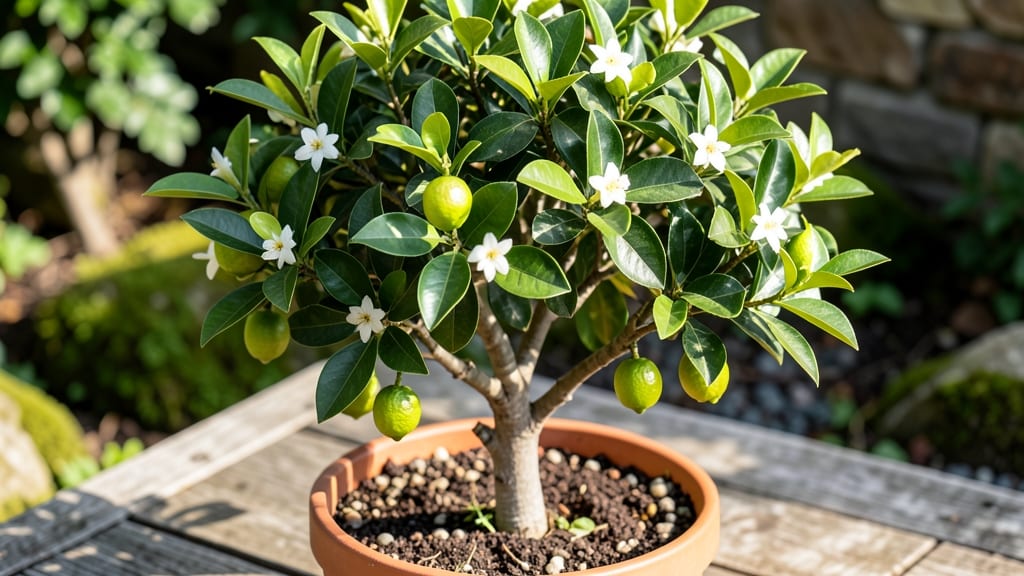
How to grow a Mexican lime tree indoors brings that zesty, tropical aroma to your kitchen year-round. 🌿 I've nurtured mine for three years, and it's now loaded with fruit—no greenhouse required. The key is mimicking its natural habitat with the right light, soil, and care routine.
You'll need a 5-gallon pot (or larger), well-draining citrus soil mix, and a sunny south-facing window—or a grow light if natural light is limited. Mexican lime trees thrive in 60-80°F temperatures, so keep it away from drafts or heating vents.
Water when the top inch of soil feels dry, but never let it sit soggy.
By summer, you'll see glossy new leaves and tiny lime buds forming. With proper care, your tree can produce fruit within 2-3 years, and the scent alone makes it worth the effort. The first harvest is always a sweet victory—nothing beats fresh limes straight from your living room.
Even if you've killed houseplants before, this one's forgiving. Just watch for overwatering (the #1 killer) and occasional pests like spider mites. The payoff? Juicy, fragrant limes for margaritas, cooking, or gift-giving—all while adding a touch of tropical paradise to your home.
📚 In This Guide
- What you need
- Instructions
- Tips and common mistakes
- Wrapping up and next steps
What you need
- ● Mexican lime tree seedling or cutting: Start with a healthy 1–2-year-old plant (available at nurseries or online). If propagating from seed, expect slower growth (6+ months to bear fruit).
- ● Well-draining potting mix: Use a blend of 50% cactus/succulent mix and 50% perlite or pumice (avoid heavy garden soil). Quantity: 1–2 gallons per 6-inch pot.
- ● Pot with drainage holes: Choose a container 12–18 inches in diameter (terracotta or fabric pots work best). Elevate pots to improve airflow.
- ● Fertilizer: A balanced citrus fertilizer (6-6-6 or 10-10-10) or organic options like fish emulsion. Dosage: Follow label instructions (typically every 4–6 weeks during growing season).
- ● Watering can with a narrow spout: Avoid overwatering—Mexican limes hate soggy roots!
- ● Pruning shears (sterilized with rubbing alcohol).
- ● pH testing kit (ideal soil pH: 6.0–7.0).
- ● Humidity tray or pebble tray (if humidity drops below 50%).
- ● Grow lights (LED full-spectrum, 12+ hours/day if indoors).
- ○ Mulch (optional: straw or bark chips to retain moisture).
Step-by-Step instructions for growing a Mexican lime tree indoors
Here’s the straightforward method I’ve used to keep my Mexican lime tree thriving for years—no green thumb required.
🌱 Step 1: Choose the Right Container and Drainage
Start with a 5-gallon pot (or larger) with drainage holes—Mexican lime trees hate soggy roots. I use terra cotta because it breathes, but any unglazed ceramic or plastic with holes works. Add a 2-inch layer of gravel or broken pottery at the bottom to prevent clogging and improve drainage. This ensures water flows freely and roots stay aerated.
If your pot lacks drainage, drill holes yourself—just don’t skip this. Roots left in standing water rot within weeks, and your tree will yellow and drop leaves. I always test drainage by filling the empty pot with water, then waiting to see if it drains completely in under an hour. If it pools, adjust your setup.
🌿 Step 2: Plant in Well-Draining Soil and Position for Light
Fill the pot with a mix of 50% cactus/succulent soil and 50% perlite or pumice—this keeps the soil loose and prevents compaction. Mexican lime trees need fast-draining soil to mimic their tropical but well-aerated native habitat. Gently remove the tree from its nursery pot and place it in the center, ensuring the root ball sits 1 inch below the rim for stability.
After planting, water deeply until water runs out the drainage holes. Then, place the tree in bright, indirect light—think east or west-facing window or under grow lights 12 inches away. Direct sun scorches leaves, while too little light causes leggy growth. You’ll know it’s in the right spot when new leaves stay dark green and glossy without browning.
💧 Step 3: Water and Fertilize for Healthy Growth
Water when the top 2 inches of soil feel dry—stick your finger in to check. Mexican lime trees are drought-tolerant but need consistent moisture. Water deeply until it drains through the bottom, then empty the saucer to prevent root rot. Overwatering is the #1 killer, so I water every 7-10 days in summer and every 2-3 weeks in winter when growth slows.
Feed with a balanced citrus fertilizer (6-6-6 or 8-8-8) every 4-6 weeks during spring and summer. In fall and winter, reduce to once every 8-10 weeks—the tree enters a natural dormant phase. Yellow leaves often signal over-fertilizing, while slow growth means it’s time to feed. I always dilute fertilizer to half-strength to avoid burning roots.
✂️ Step 4: Prune and Encourage Fruit Production
Prune in late winter or early spring before new growth starts. Remove any dead, yellow, or crossing branches with clean sterilized pruning shears, cutting just above a leaf node. This keeps the tree shaped and promotes airflow, reducing disease risk. I also pinch back new growth tips by a third to encourage bushier growth—this mimics natural tropical pruning.
For fruit production, ensure the tree gets 6+ hours of light daily and temperatures stay above 55°F. If it flowers but drops them, it’s likely due to low humidity or sudden temperature drops. Mist the leaves weekly or place a humidifier nearby to mimic tropical conditions. Patience is key—some trees take 2-3 years to bear fruit, but once they do, you’ll get abundant, tangy limes year-round.
☀️ Step 5: Monitor and Adjust for Year-Round Success
Watch for pests like spider mites or scale—they love dry air. Wipe leaves with neem oil monthly as a preventative. If you see white webbing or sticky residue, isolate the tree and treat immediately. Yellow leaves usually mean overwatering or poor drainage, while brown edges signal low humidity or sunburn. Adjust care based on these signs, and your tree will stay lush.
Every 2-3 years, repot into a container 2 inches larger to accommodate growth. Spring is the best time—new roots will establish before summer heat. With consistent light, water, and care, your Mexican lime tree will thrive indoors, producing fruit for decades. Here’s to that first harvest!
Tips & tricks for growing a thriving Mexican lime tree indoors
These are the hard-won lessons that'll help your Mexican lime tree flourish like a pro's—without the guesswork.
Drainage is Non-Negotiable: That 2-inch gravel layer in Step 1 isn't just about aesthetics—it's your tree's lifeline. If you're using a decorative pot without drainage, invest in a cache pot underneath. I've seen trees die within months from soggy roots, and it's always preventable. After planting, give the soil a thorough soak to help settle the mix and remove any air pockets around the roots.
Light is Everything: The bright indirect light mentioned in Step 2 requires some finesse. If your east or west window doesn't provide enough light, supplement with a full-spectrum LED grow light for 12-14 hours daily. Watch for leaves stretching toward light—this is a clear sign your tree needs more illumination. Rotate the pot quarter-turns weekly to ensure even growth all around.
Fertilizer Timing Matters: When you're feeding your tree every 4-6 weeks during growing season, remember that less is more. I've seen many people overdo it, thinking more fertilizer equals faster growth. Stick to the half-strength dilution and watch your tree's response—healthy new leaves mean you're on track, while yellowing indicates you've overdone it. In winter, that 8-10 week schedule is crucial for avoiding root burn during dormancy.
Humidity Hacks for Fruit Production: The 55°F minimum temperature in Step 4 is just the starting point. For successful fruiting, you'll need to maintain humidity levels between 40-60%. Place your tree on a pebble tray filled with water or use a small humidifier nearby. Grouping your citrus trees together also creates a microclimate that helps maintain humidity. This simple step can be the difference between flowers that set fruit and flowers that drop.
Pro Tips for Grow Mexican Lime Tree
- These are the hard-won lessons that'll help your Mexican lime tree flourish like a pro's—without the guesswork.
- Drainage is Non-Negotiable: That 2-inch gravel layer in Step 1 isn't just about aesthetics—it's your tree's lifeline.
- Light is Everything: The bright indirect light mentioned in Step 2 requires some finesse.
Frequently asked questions
Got questions about growing your own Mexican lime tree?
You’re not alone! Here are some of the most common concerns—plus quick, practical answers to help you succeed.
How cold can a Mexican lime tree tolerate?
Mexican lime trees (Citrus aurantiifolia) are tropical and thrive in USDA zones 10–11. If you live in colder climates, keep them indoors (60–80°F) or move them to a greenhouse during winter. Even a brief dip below 32°F can cause irreversible damage—so protect your tree like a citrus baby!
Can I grow a Mexican lime tree from seed?
Yes, but expect years before fruiting (5–10+ years!). For faster results, buy a grafted nursery tree—it’s already mature and ready to produce limes. Seeds are fun for experimentation, but patience is key! If you’re impatient, propagation from cuttings (with rooting hormone) is a middle-ground option.
Why are my lime tree leaves turning yellow?
Yellow leaves usually signal overwatering (root rot) or nutrient deficiency (like nitrogen or iron). Check the soil—it should be lightly moist, not soggy. Yellowing between veins? It’s likely iron chlorosis; add chelated iron or adjust soil pH (slightly acidic, 6.0–7.0). Brown edges? Too much salt or fluoride in water—flush the soil with rainwater.
How long does it take for a Mexican lime tree to bear fruit?
With proper care, a grafted Mexican lime tree can produce fruit in 1–3 years! Young trees focus on growth first, so be patient. For faster results, hand-pollinate flowers with a small brush (they’re self-pollinating but benefit from a nudge). Expect small, tart limes—great for key lime pie, but not as big as grocery-store varieties.
Is a Mexican lime tree safe to keep indoors year-round?
These trees adapt well to containers and indoor life if you provide:
- Bright, indirect light (south or west window, or grow lights).
- Humidity (mist leaves or use a pebble tray).
- Regular pruning to maintain size and airflow.
Wrapping up and next steps
Growing a Mexican lime tree indoors is a rewarding journey that brings tropical vibes and fresh citrus to your home year-round! With the right care—sunlight, well-draining soil, and patience—you’ll soon enjoy fragrant blossoms and zesty limes straight from your own tree. 🌱✨
Ready to take the next step? Start by monitoring your tree’s growth and adjusting care as needed. Before you know it, you’ll be harvesting limes for margaritas or homemade treats—cheers to your green thumb! 🍋🥂