
Size
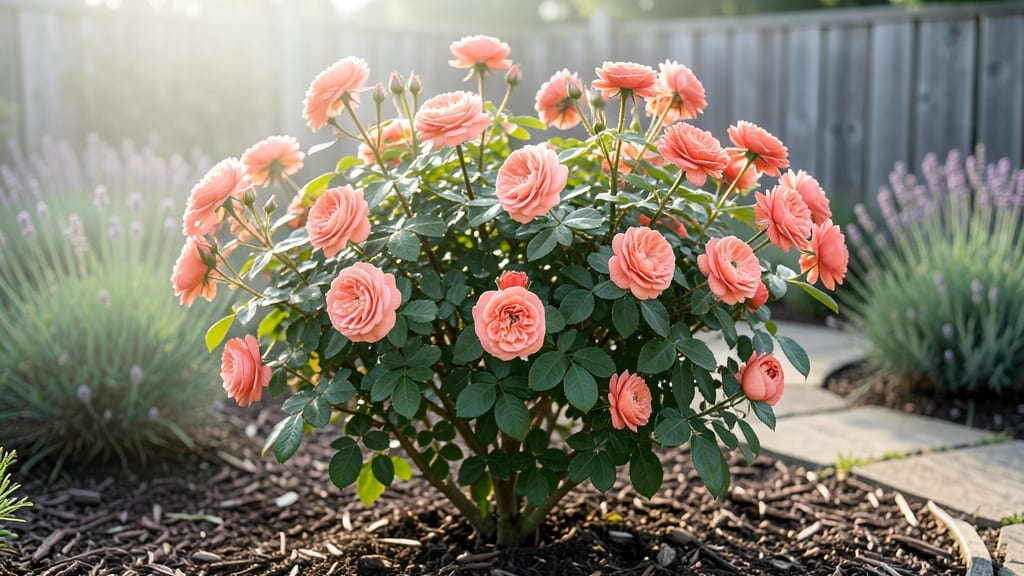
Learning how to grow the Peggy Martin rose starts with that first intoxicating whiff of sweet, velvety purple blooms—what keeps gardeners returning to their plots every spring. 🌸 This classic climber isn’t just beautiful; it’s the kind of rose that makes neighbors pause and ask, "What is that?" The secret to growing it well?
Starting with the right soil, giving it room to stretch, and a little patience for those early-season thorns.
You’ll need full sun (at least 6 hours daily), well-draining soil mixed with compost, and a sturdy trellis or fence—this rose can climb 8-10 feet if happy. Water deeply once a week (more in summer heat), but avoid soggy roots.
The first year is all about establishing roots; blooms will reward your effort starting in year two with continuous flowers from spring until frost.
Pruning might feel intimidating, but it’s simple: cut back one-third in early spring, then deadhead spent blooms all season. The real magic happens when you let it climb—those cascading blooms transform a plain fence into a romantic garden feature.
Just watch for black spot (remove infected leaves immediately) and aphids (a strong spray of water usually does the trick).
Once established, Peggy Martin becomes a low-maintenance star. It thrives in zones 4-9, handles heat and humidity, and even tolerates city pollution better than many roses. The payoff? Fragrant, disease-resistant blooms that last longer than store-bought flowers—and cost nothing but a little time. Worth every thorn.
📚 In This Guide
- What you need
- Instructions
- Tips and common mistakes
- Wrapping up and next steps
What you need
- ● Peggy Martin rose bare-root plant or potted cutting (1, from a reputable nursery)
- ● Well-draining soil mix (50% native soil + 50% compost or potting mix)
- ● Organic mulch (e.g., wood chips or straw) (2–3 inches, enough to cover the root zone)
- ● Balanced fertilizer (10-10-10 or rose-specific formula) (1–2 lbs per plant)
- ● Watering can or hose with a gentle spray nozzle
- ● Pruning shears (sterilized) (for shaping and maintenance)
- ● Garden gloves (to protect your hands)
- ● Support stake or trellis (4–6 ft tall) (1 per plant, for climbing varieties)
- ● pH testing kit (to ensure soil pH is 6.0–6.5, ideal for roses)
- ● Rose food supplement (e.g., fish emulsion or bone meal) (for extra nutrients)
- ● Drip irrigation system (for consistent moisture, especially in hot climates)
- ● Pest control spray (neem oil or insecticidal soap) (preventative measure)
- ● Garden twine or soft ties (to secure climbing roses to stakes)
- ● Decorative garden markers (to label your Peggy Martin rose with pride!)
Step-by-step guide to planting and cultivating Peggy Martin roses
Here's how to establish these classic, fragrant purple beauties with timeless elegance in your garden.
🌱 Step 1: Choose the Perfect Planting Location and Prepare the Soil
Peggy Martin roses thrive in full sun with at least 6-8 hours of direct sunlight daily. Select a spot sheltered from strong winds, as their delicate blooms can be damaged. I always test the sunlight pattern throughout the day—morning sun with afternoon shade works best in hot climates, while full sun exposure suits cooler regions.
These roses prefer well-draining soil with a slightly acidic to neutral pH (6.0-7.0). Before planting, amend your soil with 2-3 inches of compost and 1 inch of coarse sand if your soil is heavy clay. Work these amendments into the top 12 inches of soil to ensure proper root development. A soil test kit helps verify pH levels—adjust with sulfur if too alkaline or lime if too acidic.
🪴 Step 2: Plant Bare-Root Roses at the Right Time and Depth
Plant bare-root Peggy Martin roses in early spring, just as buds begin to swell, or in early fall before the first frost. Soak the roots in lukewarm water for 2-3 hours before planting to rehydrate them. Dig a hole twice as wide as the root ball but only as deep—the graft union (visible bump near the base) should sit 1-2 inches above soil level to prevent rot.
Position the rose so the strongest canes face outward. Spread the roots gently without bending them, then backfill with native soil mixed with 1 cup of bone meal for phosphorus. Water deeply to eliminate air pockets, then mound soil 2-3 inches high around the base to encourage root growth outward. Mulch with 2-3 inches of organic mulch (like shredded bark) to retain moisture and regulate soil temperature.
☀️ Step 3: Establish Proper Watering and Fertilizing Routines
Water newly planted roses deeply once a week during the first growing season, ensuring 1-2 inches of water reaches the root zone. You’ll know you’ve watered enough when the top 6 inches of soil remain moist but not soggy. Avoid overhead watering to prevent fungal diseases—use a soaker hose or drip irrigation instead. In hot climates, increase watering to twice weekly during dry spells.
Fertilize Peggy Martin roses with a balanced rose fertilizer (10-10-10 or 5-10-5) 4-6 weeks after planting, then every 4-6 weeks during the growing season. Follow package instructions carefully—over-fertilizing leads to lush foliage but fewer blooms. I also add Epsom salt (1 tablespoon per gallon of water) monthly to boost magnesium, which enhances fragrance and bloom quality.
✂️ Step 4: Prune for Healthy Growth and Abundant Blooms
Prune Peggy Martin roses twice a year: late winter/early spring (just before new growth starts) and after the first flush of blooms in summer. Remove dead, diseased, or crossing branches first, then cut back last year’s growth by one-third to encourage new, vigorous shoots. Make cuts at a 45-degree angle just above an outward-facing bud to promote airflow and reduce disease risk.
For repeat blooming, deadhead spent flowers regularly by cutting back to the first 5-leaflet leaf below the bloom. This redirects the plant’s energy into producing more flowers rather than seed pods. I also prune out suckers (shoots growing below the graft union) immediately—they weaken the plant and can revert to less desirable growth patterns. Sterilize pruners with rubbing alcohol between cuts to prevent bacterial spread.
🌿 Step 5: Monitor for Pests and Diseases Proactively
Peggy Martin roses are relatively disease-resistant but can still fall victim to black spot, powdery mildew, or aphid infestations. Inspect leaves weekly for yellow spots, white powdery coatings, or sticky residue (honeydew). At the first sign of trouble, apply a neem oil spray or copper fungicide as directed. Preventative sprays of baking soda solution (1 tablespoon per gallon of water) every 2 weeks during humid seasons keep fungal issues at bay.
Encourage beneficial insects like ladybugs and lacewings by planting marigolds or nasturtiums nearby—they prey on aphids and other pests naturally. Avoid chemical pesticides, which can harm pollinators and disrupt the garden’s balance. If you must treat, opt for insecticidal soap or horticultural oil for targeted control. Healthy roses with proper spacing and airflow rarely need intervention, but vigilance pays off in long-term beauty.
Tips & tricks for cultivating Peggy Martin roses
Here's what I've learned from years of nurturing these iconic purple beauties—small details that make all the difference.
Sunlight Strategy: While Peggy Martin roses need 6-8 hours of sunlight daily, I've found that positioning them to receive morning sun with afternoon shade in hot climates prevents leaf scorch while maintaining vibrant blooms. In cooler regions, full sun exposure actually enhances their fragrance. Test your garden's sunlight patterns by observing how shadows move throughout the day before committing to a spot.
Soil Preparation Secret: The 2-3 inches of compost and 1 inch of coarse sand recommendation isn't just about drainage—it's about creating an ideal microbial environment. I always mix in a handful of mycelium-rich material (like mushroom compost) to jumpstart beneficial soil organisms that help roots establish faster. This is especially important if your native soil is heavy clay, as it prevents compaction around new roots.
Planting Depth Visual: That 1-2 inch graft union position above soil level might seem tricky to judge, but here's my trick: After planting, the graft union should be visible when you look at the base of the plant from the side. If you mound soil too high, it can suffocate the graft; too low and you risk rot. I like to use a small stake marked with a line at 1-2 inches to verify placement.
Watering Technique: The 1-2 inches of water recommendation might sound straightforward, but I've learned that watering deeply once a week is more effective than frequent shallow watering. To check moisture levels, insert a screwdriver into the soil—if it goes in easily up to 6 inches, you've watered enough. This method also helps prevent fungal diseases by keeping foliage dry while ensuring roots get the hydration they need.
Pro Tips for Grow Peggy Martin Rose
- Here's what I've learned from years of nurturing these iconic purple beauties—small details that make all the difference.
- In cooler regions, full sun exposure actually enhances their fragrance.
- Soil Preparation Secret: The 2-3 inches of compost and 1 inch of coarse sand recommendation isn't just about drainage—it's about creating an ideal microbial environment.
Frequently asked questions
Got questions about growing the stunning Peggy Martin rose? You’re not alone! Here are some of the most common queries—and their answers—to help you cultivate this fragrant beauty with confidence.
How long does it take for a Peggy Martin rose to bloom after planting?
The first blooms typically appear 60–90 days after planting, assuming ideal conditions (full sun, well-draining soil, and consistent watering). Patience is key—this repeat-flowering rose rewards you with months of purple elegance once established!
Is the Peggy Martin rose cold-hardy? Can it survive winter?
This rose thrives in USDA Zones 5–10 and handles winter down to -20°F (-29°C). Mulch the base with 3–4 inches of organic matter (like shredded bark) in late fall to protect roots. Prune lightly in early spring once frost danger passes.
How often should I water a Peggy Martin rose, especially in hot weather?
Water deeply 1–2 times per week (more in extreme heat or drought), ensuring the soil stays 2–3 inches moist but not soggy. Early morning is best to reduce evaporation and fungal risks. Drip irrigation or soaker hoses work wonders for consistent moisture.
What pests or diseases should I watch for with Peggy Martin roses?
Keep an eye out for aphids, spider mites, and black spot fungus—common issues for roses. Preventative care helps: Spray neem oil monthly, prune for airflow, and avoid overhead watering. If pests strike, use insecticidal soap or horticultural oil.
Can I grow Peggy Martin roses in containers? What’s the best setup?
Yes! Choose a container at least 18–24 inches deep with drainage holes, filled with a mix of potting soil, compost, and perlite. Ensure the pot gets 6+ hours of sun daily and water more frequently than in-ground plants. Dwarf varieties (like ‘Peggy Martin’ grafted on a patio-friendly rootstock) are ideal for containers.
Wrapping up and next steps
Growing the Peggy Martin rose is a rewarding journey that brings beauty, fragrance, and timeless charm to your garden! With the right location, well-draining soil, and consistent care—like pruning and watering—you’ll soon enjoy its stunning purple blooms and intoxicating scent.
Remember, patience and attention to detail are key, but the results are absolutely worth it.
Now that you’re equipped with all the tips, why not take the next step? Start by marking your garden spot, gathering your tools, and planting your first Peggy Martin rose.
Before you know it, your garden will be filled with the elegance and fragrance that makes this rose a true classic! 🌸