
Size
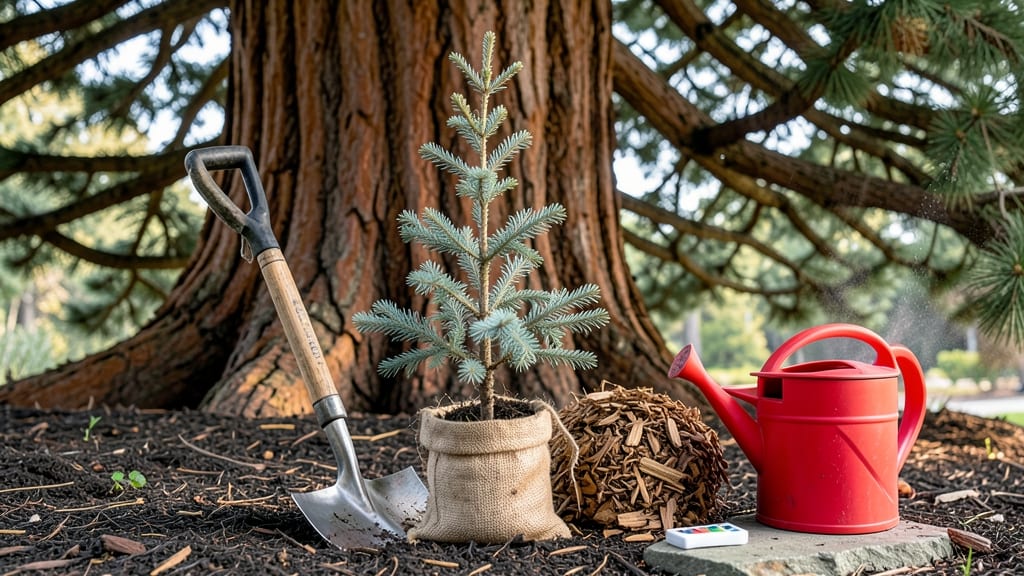
How to grow sequoia trees from seed feels like planting a future forest. 🌲 These giants need patience—think decades, not seasons—but the reward is watching a living monument grow in your yard. My first attempt taught me the hard way: sequoias aren’t just big trees, they’re a lifestyle commitment.
You’ll need space—at least 30 feet wide—and a climate that mimics their native California mountains: cold winters, hot dry summers, and well-draining soil. Most home gardeners fail at the soil prep stage, thinking regular garden dirt will do.
It won’t. Sequoias demand rocky, acidic soil with excellent drainage, or you’ll watch roots rot before they grow.
The payoff comes in layers: first the velvety green needles, then the cinnamon-brown bark that develops over decades, and finally the towering presence that makes neighbors do double takes. With proper care, your sequoia could live for centuries—outlasting your house, your grandchildren, maybe even your town.
Here’s the catch: they grow less than a foot per year at first. But that’s the beauty—they’re not about instant gratification. They’re about legacy. If you’re ready for a tree that’ll outlive you, let’s get started with the right approach.
📚 In This Guide
- What you need
- Instructions
- Tips and common mistakes
- Wrapping up and next steps
What you need
- ● Sequoia seeds or seedlings: 🌱 Seeds: 5–10 seeds (collect from mature cones or purchase from a reputable nursery). 🌳 Seedlings: 1–2 young trees (3–5 feet tall, available at specialty nurseries).
- ● Planting site: 🌳 Space: Minimum 20 feet in diameter (sequoias need room to grow!). 🌧️ Climate: Mild, frost-free winters (USDA Zones 5–9). ☀️ Sunlight: Full sun (6+ hours/day).
- ○ Soil preparation: 🪴 Soil type: Well-draining, slightly acidic (pH 5.0–7.0). 💧 Amendments: Mix in compost (1–2 bags) and peat moss (optional, for moisture retention).
- ● Tools: 🔨 Shovel (for digging holes). 🧤 Gloves (to protect hands from soil/roots). 💦 Watering can or hose (with gentle spray nozzle). 📏 Measuring tape (to ensure proper spacing).
- ● 🌡️ Mulch: Wood chips or straw (2–3 inches deep) to retain moisture and suppress weeds.
- ● 🛡️ Tree guard: Plastic or metal to protect young seedlings from deer/browsing.
- ● 🌱 Fertilizer: Balanced, slow-release (e.g., 10-10-10) applied once a year in early spring.
- ● 📸 Growth tracker: A notebook or app to monitor height/health over time!
Step-by-step instructions for growing sequoia trees
Here's how to cultivate these majestic giants—starting small but thinking big.
🌱 Step 1: Select the Right Seedlings and Site
Sequoias need space—think 100+ feet apart at maturity—so choose a site with full sun and well-draining soil. I always opt for 1-2 year-old nursery-grown seedlings (not seeds) because they establish faster. The roots should be firmly potted with no circling—sequoias hate root-bound stress.
Test your soil's pH—sequoias prefer slightly acidic to neutral (6.0-7.0). If your soil is heavy clay, amend with compost and coarse sand to improve drainage. Real talk: sequoias despise soggy roots, so avoid low spots where water pools.
☀️ Step 2: Plant at the Right Time and Depth
Plant in early spring or fall when temperatures are mild. Dig a hole twice as wide as the root ball but only as deep—sequoias don't like being buried too deeply. Gently loosen the roots if they're circling, then place the seedling in so the top of the root ball sits 1 inch above ground level. This prevents rot.
Backfill with native soil mixed with compost (use the 2 gallons you've prepped). Water deeply to settle the soil, then create a 2-foot-wide watering basin around the base. Sequoias need 1-2 inches of water weekly during their first year—don't skimp.
💧 Step 3: Provide Consistent Moisture and Protection
Mulch heavily with wood chips (3-4 inches deep) to retain moisture and regulate soil temperature. Keep mulch 6 inches away from the trunk to prevent rot. Sequoias are drought-tolerant once established, but young trees need consistent moisture—check soil 1 inch deep before watering.
Here's the thing—sequoias grow best in humid conditions. If your climate is dry, install a drip irrigation system set to run 10-15 minutes daily during hot spells. Avoid overhead watering, which can spread disease. You'll see new growth in 2-3 years if moisture is right.
✂️ Step 4: Prune for Structure and Health
Prune only to remove dead, diseased, or crossing branches—sequoias don't need heavy pruning. Use sterilized pruners to make clean cuts just outside the branch collar. Never top the tree; sequoias grow best when left to develop their natural shape.
Watch for aphids or spider mites on new growth—sequoias are susceptible. Spray with neem oil if you spot pests. I also recommend fertilizing lightly in early spring with a balanced 10-10-10 fertilizer (just ½ cup per tree) to encourage strong root development.
🌿 Step 5: Monitor Growth and Long-Term Care
Sequoias grow 1-2 feet per year when young, but patience is key—they can live for thousands of years. After 5 years, reduce watering to once every 2 weeks unless drought persists. By year 10, they'll need full sun and minimal interference—just occasional mulch top-ups.
This is the moment that matters: sequoias thrive when left alone. Avoid over-fertilizing or frequent pruning—these giants grow best with minimal intervention. With the right site and care, your seedling could one day rival the General Sherman, the world's largest tree.
Tips & tricks for growing healthy sequoia trees
These essential insights will help you avoid common pitfalls and maximize your sequoia's potential from the very first planting.
Seedling Selection: When choosing your 1-2 year-old nursery-grown sequoia, look for seedlings with a sturdy trunk and healthy, vibrant green needles. Avoid any with yellowing foliage or brittle branches—these are early signs of stress or disease. I've learned the hard way that even slight damage during transport can set your young tree back for months, so handle with care and plant as soon as possible after purchase.
Soil Preparation Strategy: The 2 gallons of compost you mix with native soil should be well-aged and free of weeds. Fresh compost can introduce pathogens that sequoias are particularly sensitive to. For heavy clay soils, I recommend adding coarse sand (about 25% of the total mix) to create that perfect well-draining environment. Think of it like building a foundation—sequoias need stable, oxygen-rich soil to develop their massive root systems.
Watering Wisdom: Those critical first-year watering requirements of 1-2 inches weekly are non-negotiable, but timing matters too. Water in the early morning to allow foliage to dry completely before evening—this prevents fungal diseases that thrive in damp conditions. I've seen young sequoias develop needle blight simply because they were watered at night. Consider installing a rain gauge nearby to track your watering accuracy.
Long-Term Growth Monitoring: The 2-3 year mark is when you'll first see significant growth, but that doesn't mean you can relax. Mark your tree's height at planting and again at each annual check-in. This simple tracking helps you spot problems early—if growth stalls or needles yellow, it could indicate root rot, nutrient deficiency, or pest issues. I keep a small notebook by my sequoia where I record height, needle color, and any unusual observations.
Pro Tips for Grow Sequoia Trees
- These essential insights will help you avoid common pitfalls and maximize your sequoia's potential from the very first planting.
- Seedling Selection: When choosing your 1-2 year-old nursery-grown sequoia, look for seedlings with a sturdy trunk and healthy, vibrant green needles.
- Soil Preparation Strategy: The 2 gallons of compost you mix with native soil should be well-aged and free of weeds.
Frequently asked questions
Got questions about growing sequoia trees?
You’re not alone—these giants of the forest come with unique challenges. Below, we tackle the most common curiosities, from timing to troubleshooting, so you can nurture your own towering vision with confidence.
How long does it take for a sequoia tree to grow?
A sequoia’s growth is slow but steady! In ideal conditions, they grow about 3–4 feet per year in their youth, tapering to 1–2 feet as they mature. Reaching 100 feet can take 500+ years, while becoming a true giant (over 200 feet) may require a millennium. Patience is key—think of it as a lifelong investment in nature’s skyscrapers!
Can I grow a sequoia tree in a cold climate?
Sequoias thrive in USDA Hardiness Zones 5–9, but they prefer mild summers and cold winters (like their native Sierra Nevada range). In colder zones (Zone 4 or below), opt for coast redwoods (Sequoia sempervirens), which tolerate frost better. If you’re pushing limits, plant in a sheltered, south-facing spot and mulch heavily to protect roots.
What’s the best alternative if I can’t grow a true sequoia?
If space or climate is a hurdle, consider these fast-growing, large-tree alternatives:
- Dawn Redwood (Metasequoia glyptostroboides): Grows 3–5 feet/year, loves moist soil, and tolerates colder temps.
- Douglas Fir (Pseudotsuga menziesii): Reaches 200+ feet but grows faster (2–3 feet/year) in Zone 5–8.
- Bald Cypress (Taxodium distichum): Thrives in swamps or wet soils, great for Zones 6–10.
For a sequoia-like look, giant redwoods or bigleaf maples are stunning substitutes!
Why are my sequoia seedlings dying? Common issues and fixes.
Sequoias are resilient, but these problems can derail growth:
| Issue | Cause | Fix |
|---|---|---|
| Yellowing needles | Overwatering or poor drainage | Let soil dry slightly between waterings; amend with sand or perlite. |
| Stunted growth | Nutrient deficiency (especially nitrogen) | Fertilize with acidic, slow-release fertilizer in spring. |
| Brown tips on needles | Underwatering or dry air | Mulch heavily and mist seedlings in dry climates. |
| Fungal spots on bark | Humidity or wound infections | Prune infected branches; avoid overhead watering. |
Pro tip:
Sequoias hate root disturbance—plant once and never move them!
How close can I plant sequoia trees to my house?
Sequoias have shallow but expansive root systems, so plant them at least 30–50 feet from foundations, sidewalks, or septic systems. Their roots can lift pavement or crack pipes over time! For urban gardens, consider dwarf varieties like ‘Pendulum’ sequoia (stays under 30 feet). Always check local tree ordinances before planting near structures.
Wrapping up and next steps
Growing a sequoia tree is a rewarding journey that connects you to nature’s grandeur—one seedling at a time! 🌲 With the right soil, sunlight, and patience, you can nurture these majestic giants from tiny sprouts into towering symbols of resilience.
Remember, consistency is key, whether you’re adjusting pH levels or protecting young saplings from pests.
Ready to take the next step? Start small:
- Order seeds from a reputable supplier (or collect them ethically!).
- Mark your calendar for seasonal care—spring pruning, winter mulching, and summer watering.
- Share your progress! Join gardening forums or local tree clubs to swap tips and celebrate milestones.