
Size
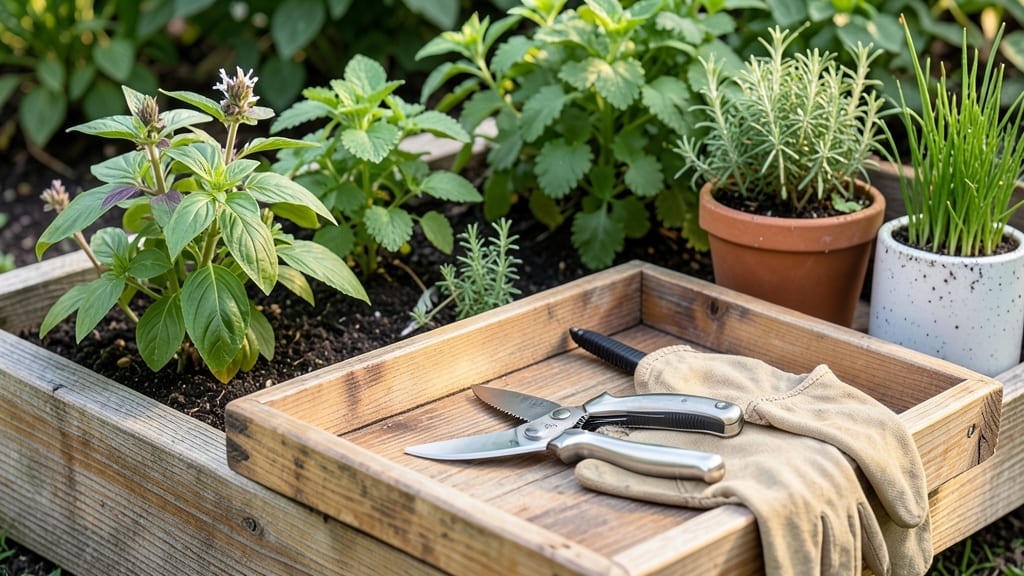
How to grow spices at home transforms your kitchen into a fragrant, flavor-packed powerhouse. 🌿 I used to buy dried herbs, but after my first basil plant took over my windowsill, I never looked back. The secret isn't complicated—it's about matching each spice's needs to your growing conditions.
Start with the right setup: containers for small spaces, well-draining soil, and sunlight tailored to each plant. Basil thrives in bright light and regular water, while rosemary prefers dry soil and full sun.
Mint spreads aggressively—contain it or plant it separately. Most spices grow from seeds or cuttings, and you'll harvest within 6-12 weeks depending on the variety.
By summer's end, you'll be snipping fresh cilantro for tacos, thyme for soups, and chili peppers for homemade hot sauce. The aroma alone makes it worth the effort, and the cost savings add up quickly. Plus, nothing beats the taste of herbs picked minutes before cooking.
This works for balconies, windowsills, or backyard plots—no green thumb required. Let's get your spice garden growing!
📚 In This Guide
- What you need
- Instructions
- Tips and common mistakes
- Wrapping up and next steps
What you need
- ● Seeds or seedlings: Choose from basil, cilantro, mint, rosemary, thyme, oregano, or other spices you love. Pro tip: Start with organic, non-GMO seeds for the best results! 🌱
- ● Containers: 5–10-inch pots (for individual plants like rosemary or thyme)
- ● 12–18-inch planters (for larger herbs like basil or cilantro)
- ● Window boxes or raised beds (if growing outdoors)
- ● Potting soil: Well-draining, organic mix (e.g., Miracle-Gro Potting Mix or a blend with perlite/vermiculite). Quantity: 1–2 bags, depending on your setup.
- ● Drainage: Pots with drainage holes or a layer of gravel/pebbles at the bottom of containers.
- ● Watering can or spray bottle: For gentle, even hydration.
- ● Pruning shears or scissors: Sharp, clean tools for trimming (sterilize with rubbing alcohol!).
- ○ Gloves (optional): Protect your hands from soil or prickly herbs like mint.
- ○ pH testing kit (optional): Ensures soil is ideal (most herbs prefer 6.0–7.0).
- ● Sunlight: 6+ hours of direct sun daily (south-facing windows or grow lights work indoors!).
- ● Temperature: Most spices thrive in 60–75°F (adjust for cold-hardy herbs like thyme).
- ● Water: Access to filtered or rainwater (avoid tap water with high chlorine).
- ● Fertilizer: Balanced organic fertilizer (e.g., fish emulsion) every 4–6 weeks.
- ● Humidity tray: For dry climates (pebbles + water under trays).
- ● Grow lights: LED full-spectrum bulbs for low-light setups.
- ● Label markers: To track varieties and harvest dates!
Step-by-step instructions for cultivating homegrown spices
Here’s how I turn my balcony into a spice pantry—no greenhouse required.
🌱 Step 1: Select the Right Spices for Your Climate
Not all spices thrive indoors or in every zone. Start with easy winners like basil, oregano, thyme, and mint—they’re forgiving and productive. For warmer climates, add cilantro, dill, and chives; in cooler areas, focus on rosemary, sage, and wintergreen. Check your USDA hardiness zone—some spices, like vanilla, need tropical warmth year-round.
I always plant one pot per variety to avoid competition. A 6-inch pot works for most herbs, but rosemary and thyme need 8-inch pots to mature properly. If you’re growing perennial spices (like mint or oregano), choose containers with drainage holes—they hate soggy roots.
☀️ Step 2: Provide the Perfect Light and Temperature
Spices need bright, direct light—at least 6 hours daily. A south-facing window is ideal, but if yours is north-facing, supplement with a grow light (LED or fluorescent) 4-6 inches above the plants. Without enough light, leaves turn pale and leggy—a sure sign your spices won’t flavor like store-bought.
Most herbs prefer 65-75°F during the day and 55-65°F at night. If your home runs cooler, place pots on a heat mat (set to 70°F) to speed up growth. Watch for wilting in heatwaves—move pots to a shadier spot or increase airflow with a small fan.
💧 Step 3: Master the Watering Routine
Overwatering kills spices faster than anything. Stick your finger 1 inch into the soil—if it’s dry, water slowly until it drains from the bottom. Most herbs need watering every 2-3 days, but succulents like rosemary only need it once a week. Always use room-temperature water—cold water shocks roots.
I water in the morning so excess moisture evaporates by evening. If leaves yellow or droop, you’re overwatering. Let the soil dry out more between waterings—spices like dill and cilantro wilt dramatically when thirsty but bounce back quickly once hydrated.
✂️ Step 4: Harvest and Prune for Maximum Flavor
Harvest regularly to encourage bushier growth. Pinch off flower buds (they make leaves bitter) and trim 1-2 inches from the top of stems to promote branching. Basil, for example, loves weekly pruning—the more you cut, the more leaves it produces.
For dried spices, harvest just before flowers open. Bundle stems and hang upside down in a dry, dark place for 2-4 weeks. For fresh use, pick leaves in the morning when oils are strongest. Store fresh herbs in the fridge (wrapped in a damp paper towel) for up to 2 weeks—they’ll stay fresher than store-bought.
🪴 Step 5: Overwinter and Protect Perennials
If you’re growing perennial spices (like mint or oregano), move pots indoors before the first frost. Place them near a bright window and reduce watering—every 7-10 days is enough. Some herbs, like rosemary, go dormant in winter and need less light—just keep them alive until spring.
For annuals (basil, cilantro), let them bolt naturally in fall. Save seeds if you want to replant next year. I always rotate containers seasonally—spring/summer herbs (basil, dill) go in larger pots, while winter-friendly spices (thyme, sage) stay in smaller ones to conserve space.
Tips & tricks for perfect homegrown spice cultivation
Confession: I skipped the soil prep stage for years and wondered why my herbs never thrived. These small details make all the difference.
Soil Secret: Most store-bought potting mixes work, but I add a handful of perlite to every 6-inch pot to improve drainage. For rosemary and thyme in 8-inch pots, mix in 10% coarse sand—these Mediterranean herbs hate soggy roots. I also top-dress with compost every 3 months to replenish nutrients without overfeeding.
Lighting Hack: When supplementing with grow lights (4-6 inches above), I use a timer for exactly 12 hours of light daily—mimicking natural day cycles. This prevents leggy growth from inconsistent lighting. For north-facing windows, I rotate pots weekly so all sides get equal exposure.
Watering Wisdom: The "1-inch dry test" works, but I've learned to adjust based on season: in summer heat, check every morning; in winter, extend to every 4-5 days. For rosemary, I water only when the soil feels completely dry at the base—overwatering is its #1 killer. Always water at soil level, not the leaves, to prevent fungal issues.
Pruning Payoff: I prune basil weekly, but I also cut back any herbs that look crowded. The key is to trim just above a leaf node—this encourages branching. For dried spices, I harvest stems when about 75% of buds are open but before they fully bloom. This timing captures peak flavor before the plant puts energy into seeds.
Pro Tips for Grow Spices
- Confession: I skipped the soil prep stage for years and wondered why my herbs never thrived.
- Soil Secret: Most store-bought potting mixes work, but I add a handful of perlite to every 6-inch pot to improve drainage.
- Lighting Hack: When supplementing with grow lights (4-6 inches above), I use a timer for exactly 12 hours of light daily—mimicking natural day cycles.
Frequently asked questions
Got questions about growing your own spices? You’re not alone! Here are some of the most common queries—and answers—to help you cultivate a thriving herb garden with confidence.
How long does it take for homegrown spices to mature and be harvestable?
Most spices like basil, cilantro, and mint are ready in 4-8 weeks from seed, while perennials like rosemary or thyme take 6-12 months to fully mature. Leafy herbs (e.g., parsley) can be snipped as soon as they’re 6 inches tall. For roots like ginger or turmeric, patience is key—8-12 months for harvestable rhizomes!
Can I grow spices indoors year-round, or do they need outdoor sunlight?
Many spices thrive indoors with 6-8 hours of bright light daily (south-facing windows or grow lights work!). Hardy herbs like oregano, thyme, and rosemary tolerate cooler indoor temps, while tropical varieties (e.g., basil, cilantro) need warmth (65–75°F). For best results, rotate pots weekly to ensure even light exposure.
What’s the cheapest way to start growing spices at home?
Skip seeds for now! Start with cuttings or divisions from store-bought herbs (ask at the grocery store—many will donate stems!). Basil, mint, and cilantro root easily in water, then transplant to soil. Repurpose recycled containers (yogurt cups, egg cartons) and use free compost from kitchen scraps to cut costs.
My spices are wilting or turning yellow—what’s wrong?
Common culprits:
- Overwatering: Let soil dry slightly between waterings (stick your finger in—if the top inch is damp, wait).
- Underwatering: Drooping leaves? Water deeply until it drains from the bottom.
- Pests: Check for aphids or spider mites (spray with soapy water if needed).
- Nutrient deficiency: Yellowing lower leaves? Feed with diluted fish emulsion or compost tea.
Can I regrow spices from grocery store herbs, and which ones work best?
The easiest regrowers:
- Basil: Place stems in water until roots form (3–5 days), then transplant.
- Cilantro: Snip stems, place in water, and watch roots sprout in 1 week.
- Mint: Propagate by dividing the root or placing cuttings in water.
Wrapping up and next steps
Growing your own spices is a rewarding journey that brings fresh, vibrant flavors straight to your kitchen—and you’ve got all the tools to succeed! 🌱 From selecting the right herbs to mastering light, soil, and watering needs, every step brings you closer to a thriving indoor or outdoor garden.
Whether you’re a beginner or a seasoned green thumb, the key is patience and consistency.
Now that you’re armed with knowledge, take the next step: Start with one or two easy spices like basil or mint, and let your green thumb grow! Soon, you’ll be harvesting homegrown flavors year-round—one pinch at a time. Happy growing! 🌿✨