
Size
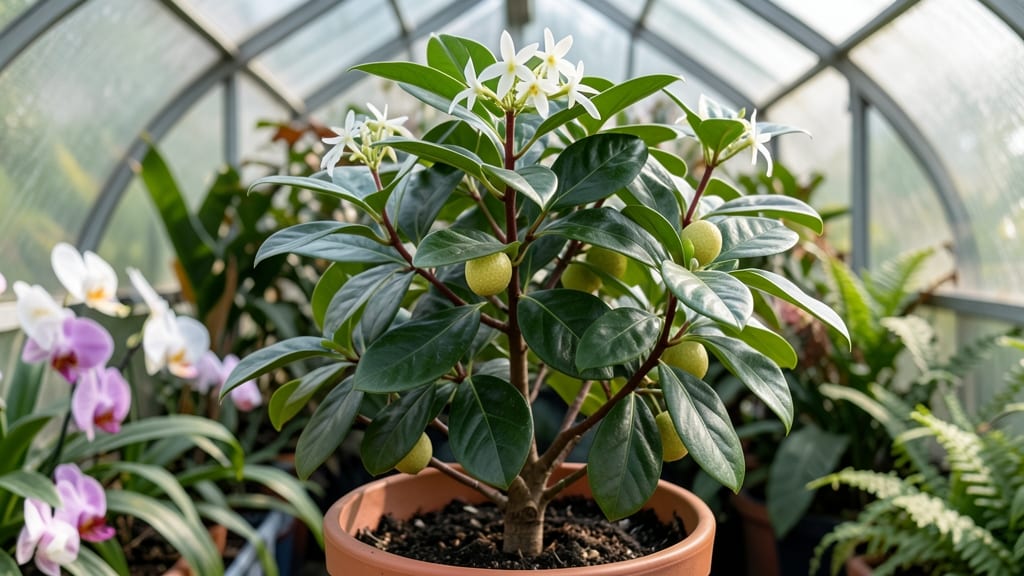
How to grow Synsepalum dulcificum—the plant that turns sour into sweet—is easier than you’d expect. 🌱 I planted mine last spring after reading about its magic berries that change tart flavors to sweet—now my kitchen experiments are never the same.
This tropical shrub thrives in USDA Zones 10-11, but with the right container and bright indoor light, you can grow it anywhere. It needs well-draining soil and regular watering, but overwatering is the #1 killer—let the top inch dry between drinks.
Within 2-3 years, you'll get those tiny red berries that pack a flavor-transforming punch. The fruit stays on the plant for weeks, so you'll have plenty for tasting (and sharing with curious friends). Even in small spaces, this plant delivers big rewards.
Here’s how to keep it happy and fruiting—plus what to do with those magical berries once they ripen.
📚 In This Guide
- What you need
- Instructions
- Tips and common mistakes
- Wrapping up and next steps
What you need
- ● Seeds: 3–5 fresh, viable Synsepalum dulcificum seeds (order online or source from specialty nurseries). Pro tip: Soak seeds in warm water for 24 hours to soften the hard outer shell! 💡
- ● Growing Containers: 2–3 small pots (4–6 inches wide) with drainage holes for seedlings.
- ● 1 larger pot (12+ inches wide) or garden bed for mature plants (they love space!).
- ● Well-Draining Soil: A mix of: 60% peat-free potting mix or coco coir.
- ● 30% perlite or coarse sand (for aeration).
- ● 10% compost or worm castings (for nutrients).
- ● Grow Lights or Sunny Spot: A south-facing window or a 12–16 hour LED grow light (for indoor setups).
- ● Basic Tools: Small hand trowel.
- ● Spray bottle (for misting seedlings).
- ● Pruning shears (for shaping mature plants).
- ○ Optional (But Helpful!): Humidity dome or plastic wrap (to retain moisture for seedlings).
- ● pH test kit (ideal soil pH: 5.5–6.5).
- ● Fertilizer: Balanced liquid fertilizer (e.g., 10-10-10) or organic options like fish emulsion.
- ● Climate Considerations: Hardiness: Thrives in USDA Zones 10–12 (or indoors in cooler climates).
- ● Temperature: Keep above 50°F (10°C)—cold sensitivity is the #1 killer! ❄️
Step-by-step instructions for growing Synsepalum dulcificum
Here's how to cultivate this fascinating berry—where sour turns sweet in your mouth.
🌱 Step 1: Choose the Right Location and Prepare the Soil
Synsepalum dulcificum thrives in partial shade, making it ideal for under trees or on east-facing porches. Avoid full sun—its leaves scorch easily. The soil should be well-draining but consistently moist, so amend heavy clay with 2-3 inches of compost and a handful of perlite per planting hole.
Test the soil pH—this plant prefers slightly acidic to neutral (6.0-7.0). If your soil is alkaline, mix in 1 cup of sulfur per hole before planting. Dig a hole twice as wide as the root ball but only as deep as the container it came in. The top of the root ball should sit 1 inch above ground level to prevent rot.
☀️ Step 2: Plant and Provide Consistent Moisture
Gently remove the plant from its container and loosen any circling roots. Place it in the hole, backfill with soil, and press lightly to eliminate air pockets. Water deeply right after planting—this helps settle the soil and eliminates gaps. You'll know it's right when water drains freely from the bottom of the hole.
Keep the soil evenly moist but not soggy for the first 4-6 weeks. Mulch with 2-3 inches of organic mulch (like shredded bark) to retain moisture and regulate temperature. Watch for yellowing leaves—this signals overwatering, while crisp edges mean it's too dry. Adjust your watering to match the season; drought-tolerant once established, but young plants need frequent checks.
✂️ Step 3: Prune for Shape and Encourage Fruit Production
Prune in early spring before new growth begins. Remove any dead, diseased, or crossing branches first—this improves air circulation and prevents fungal issues. Then, trim back any leggy growth by one-third to encourage bushier, more productive growth. Use clean, sharp pruners and make cuts just above a leaf node to promote new shoots.
This plant flowers best when slightly stressed, so avoid heavy feeding. Apply a balanced 10-10-10 fertilizer in early spring at half strength—too much nitrogen leads to lush foliage but few berries. Harvest berries when they turn bright red (usually late summer to fall). They ripen quickly after picking, so taste one to confirm the magic sweetness.
🪴 Step 4: Protect and Overwinter for Long-Term Success
Synsepalum dulcificum is tender to frost—bring potted plants indoors before temperatures drop below 30°F. Place them in a bright, cool room (50-60°F) with moderate humidity. Reduce watering but keep the soil slightly moist. If growing in the ground in USDA zones 10-11, mulch heavily with 4-6 inches of straw or leaves to insulate roots.
In spring, resume regular care. Watch for aphids or scale insects on new growth—spray with neem oil if you spot sticky residue. This plant grows slowly, so be patient. It may take 2-3 years before it bears fruit, but the wait is worth it for those miracle berries that transform sour to sweet in seconds.
Tips & tricks for perfect Synsepalum dulcificum cultivation
These insider tricks will help you grow your own miracle berries with confidence—no gardening degree required.
Location and Lighting: When selecting your spot, remember that partial shade means "dappled sunlight" rather than deep shade. East-facing windows or the edge of a tree canopy work perfectly. I learned this the hard way—my first plant scorched under full sun within days. If you only have sunny options, use shade cloth (30-50% coverage) to protect delicate leaves.
Soil Preparation: The 2-3 inches of compost and handful of perlite aren't just suggestions—they're non-negotiable for this tropical plant. I recommend mixing in a handful of worm castings too (optional but game-changing) for extra nutrients. For container growing, use a blend of 60% potting mix, 30% perlite, and 10% compost to mimic its natural forest floor habitat.
Watering Wisdom: Those first 4-6 weeks are critical—think of it like raising a fussy baby plant. Use your finger to check moisture: if the top inch feels dry, water thoroughly until it drains from the bottom. The mulch layer (2-3 inches) acts like a moisture blanket, but don't let it sit directly against the stems to prevent rot. I've found that morning watering minimizes evaporation losses.
Pruning Payoff: When you trim back that leggy growth by one-third in early spring, you're not just shaping the plant—you're signaling it to focus energy on fruit production. Make your cuts at a 45-degree angle just above a leaf node (about 1/8 inch above) for the best regrowth. I always sterilize my pruners with rubbing alcohol between cuts to prevent spreading disease.
Pro Tips for Grow Synsepalum Dulcificum
- These insider tricks will help you grow your own miracle berries with confidence—no gardening degree required.
- Location and Lighting: When selecting your spot, remember that partial shade means "dappled sunlight" rather than deep shade.
- Soil Preparation: The 2-3 inches of compost and handful of perlite aren't just suggestions—they're non-negotiable for this tropical plant.
Frequently asked questions
How long does it take for a miracle berry plant to produce fruit?
Patience is key! Most Synsepalum dulcificum plants take 3–5 years to mature and bear fruit, depending on growing conditions. If your plant is healthy but not fruiting yet, check for adequate sunlight (6+ hours daily) and well-draining soil. Pro tip: Female plants (needed for fruit) may require a male plant nearby for pollination—ask your nursery for confirmed gender if unsure!
Can miracle berry survive cold weather?
Synsepalum dulcificum is a tropical plant and thrives in USDA zones 10–12. In cooler climates, grow it in containers and bring it indoors when temperatures drop below 50°F (10°C). If left outside, expect leaf drop or death. For year-round growth, a greenhouse or sunny patio works wonders!
How do I tell if my miracle berry plant is male or female?
Spotting the difference can be tricky! Female plants produce small, green berries (even if they’re not ripe), while male plants have no fruit but may develop small, round flower buds. If you’re unsure, grow one of each—many gardeners plant two to ensure pollination. Bonus: Male plants still make great foliage additions!
Why aren’t my miracle berries turning red or sweet?
Unripe berries stay green—red is the sign they’re ready! If yours aren’t changing color, check for:
- Sunlight: Needs bright, indirect light (direct sun can scorch leaves).
- Pollination: Hand-pollinate with a soft brush if no bees visit.
- Patience: Some varieties take 6–8 months to ripen.
If berries stay green and shriveled, your plant may need more water or fertilizer (use a balanced tropical blend).
Can I grow miracle berry from seed, or should I buy a plant?
You can grow from seed, but it’s a slow process (germination takes weeks to months) and may not retain the parent plant’s traits. For faster, sweeter results, buy a nursery-grown plant (ensure it’s labeled “fruit-bearing”). Seeds are fun for experiments, though—just plant them ½ inch deep in moist soil and keep warm!
Wrapping up and next steps
Growing Synsepalum dulcificum—the incredible "miracle berry"—is a rewarding journey that transforms your garden into a sweet haven! 🌱 With the right soil, sunlight, and patience, you’ll soon enjoy its unique berries that make sour foods taste deliciously sweet.
Whether you’re a seasoned gardener or just starting out, this tropical gem is well worth the effort.
Now that you’re armed with the knowledge, why not take the next step? Start with a cutting or seed, nurture your plant, and soon you’ll be sharing its magic with friends and family. Happy growing—your taste buds will thank you! 🍓✨