
Size
Here’s your revised text with the keyword naturally integrated into the opening sentence:
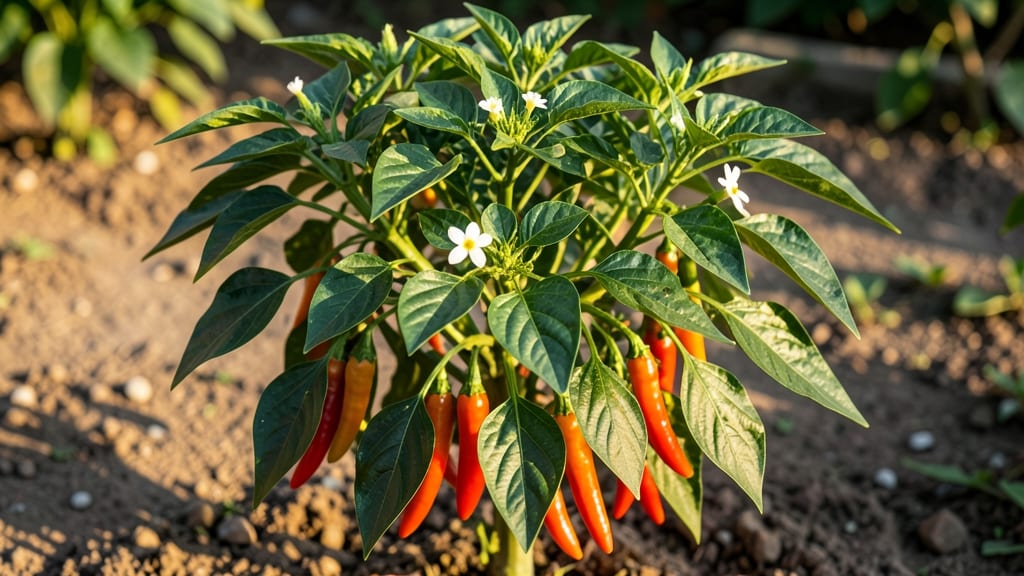
How to grow Tabasco peppers turns a sunny corner into a spice factory. 🌱 I've grown them for years, and the secret isn't just patience—it's matching their tropical needs with the right conditions, whether in pots or garden beds.
These peppers thrive in 80-90°F soil and need full sun (6+ hours daily). Start seeds indoors 8-10 weeks before last frost, or buy transplants. They love well-draining soil with compost mixed in, and a 5-gallon container works perfectly for balconies.
By midsummer, you'll harvest bright red, finger-length peppers packed with heat. Prune regularly to encourage bushier growth, and watch yields climb from 50-100 peppers per plant with proper care.
The real payoff? Homemade hot sauce that tastes like childhood summer afternoons. Let's get those seeds started!
📚 In This Guide
- What you need
- Instructions
- Tips and common mistakes
- Wrapping up and next steps
What you need
- ● Tabasco pepper seeds – Choose a variety like Tabasco Red or Tabasco Yellow (available from seed suppliers or online stores).
- ● Containers or garden beds – 5-gallon pots (for indoor/container growing) or well-draining soil in a sunny garden spot (6+ hours of sunlight daily).
- ● Potting mix – A high-quality, well-draining blend (e.g., 60% potting soil, 30% perlite, 10% compost).
- ● Fertilizer – Balanced organic fertilizer (10-10-10) or a slow-release granular fertilizer (follow package instructions).
- ● Watering can or hose – With a gentle spray nozzle to avoid disturbing seedlings.
- ○ Grow lights (optional) – If starting indoors before the last frost (LED or fluorescent lights, 12–16 hours/day).
- ○ Trellis or stakes (optional) – For heavier plants (4–6 ft tall), use bamboo stakes or a small trellis for support.
- ● Pruning shears – For trimming excess foliage or shaping plants.
- ○ Spray bottle (optional) – For misting seedlings and preventing fungal issues.
- ● Harvesting tools – Sharp scissors or pruners (sterilized with rubbing alcohol).
- ● Climate – Tabasco peppers thrive in USDA Zones 8–11. Start indoors 8–10 weeks before the last frost if in cooler zones.
- ● Temperature – Ideal range: 70–90°F (21–32°C). Avoid frost (below 50°F/10°C can stunt growth).
- ● Soil pH – Slightly acidic to neutral: 6.0–7.0 (test with a soil kit if unsure).
- ● Space – 18–24 inches apart in garden beds or 1 pepper per 5-gallon container.
- ● Patience – Tabasco peppers take 90–120 days to mature from seed!
Step-by-step instructions for growing Tabasco peppers
Here's how to cultivate fiery Tabasco peppers from seed to harvest—with the right conditions, they'll deliver bold flavor and heat.
🌱 Step 1: Start Seeds Indoors Under Warm Conditions
Tabasco peppers thrive when started indoors 8-10 weeks before your last frost date. Fill 2-3 inch deep seed trays with a light, sterile seed-starting mix—never garden soil, as it compacts too much and can harbor diseases. Moisten the mix until it feels like a damp sponge, then press it down gently to remove air pockets.
Plant 2-3 seeds per cell at a depth of ¼ inch, just below the soil surface. Cover lightly with additional mix and mist the surface until evenly damp. Place the tray in a warm location (75-85°F)—a seedling heat mat helps speed germination. Keep the soil consistently moist but never soggy; use a spray bottle to avoid disturbing seeds. You'll see first sprouts in 7-14 days—patience is key, as germination can vary.
☀️ Step 2: Provide Bright Light and Fertilize Young Plants
The moment those first true leaves (not the initial seed leaves) appear, move seedlings under 14-16 hours of bright light daily. A south-facing window may not provide enough intensity, so supplement with a grow light positioned 2-4 inches above the plants. Without sufficient light, seedlings stretch leggy and weak—watch for stems that elongate and leaves spaced far apart.
When seedlings reach 3-4 inches tall, fertilize with a balanced liquid fertilizer (10-10-10) diluted to half strength. Feed every 2 weeks to encourage strong root and foliage growth. Harden off seedlings 2 weeks before transplanting by gradually exposing them to outdoor conditions—start with 1-2 hours in a shaded spot, then increase exposure over 7-10 days. This prepares them for the garden without shock.
🪴 Step 3: Transplant to Full Sun and Warm Soil
Choose a sunny location with 6+ hours of direct sunlight daily and well-draining soil. Tabasco peppers thrive in sandy loam with a pH of 6.0-7.0. Space plants 18-24 inches apart in rows 24 inches apart—this gives them room to grow without competing for nutrients. Dig holes slightly deeper than the root ball to encourage root establishment.
Transplant after the last frost when soil temperatures reach at least 65°F. Water deeply before and after transplanting to reduce stress. Mulch with 2-3 inches of organic mulch (like straw or shredded leaves) to retain moisture and regulate soil temperature. Avoid overwatering—Tabasco peppers prefer moderate moisture and dislike soggy roots, which can lead to rot.
✂️ Step 4: Prune and Support for Maximum Yield
Once plants reach 12-18 inches tall, prune the bottom leaves to improve airflow and reduce disease risk. Remove any yellow or diseased leaves immediately—this keeps plants healthy and productive. Tabasco peppers benefit from light pruning to encourage bushier growth; pinch back the top set of leaves when the plant reaches 3-4 feet to promote lateral branching.
Stake or cage plants when they reach 18 inches to support their weight as peppers develop. Use 4-5 foot tall stakes or cages to prevent stems from breaking under the weight of heavy pepper clusters. Harvest peppers regularly—this encourages more production. Pick green peppers when they reach 3-4 inches long for classic Tabasco sauce, or wait for them to turn red for a sweeter, milder flavor.
💧 Step 5: Maintain Soil Moisture and Fertilize Through Harvest
Water deeply once a week, providing 1-1.5 inches of water per week. Let the top inch of soil dry between waterings to prevent overwatering. During hot, dry spells, increase frequency to every 2-3 days, but avoid wetting the foliage to reduce disease risk. Fertilize every 4 weeks with a balanced fertilizer or switch to a low-nitrogen, high-phosphorus formula (like 5-10-10) when peppers start forming to boost fruit production.
Watch for aphids or spider mites, common pests on peppers. Spray plants with neem oil or insecticidal soap if you spot infestations early. Harvest peppers in the morning when they’re firm and glossy for the best flavor. Store freshly picked peppers in a cool, dry place for up to 2 weeks, or process them into sauce within 3-5 days for peak heat and flavor.
Tips & tricks for cultivating fiery Tabasco peppers
Growing Tabasco peppers from seed to harvest requires precision—here's how to maximize your fiery crop without common pitfalls.
Seed Starting Wisdom: The 8-10 week indoor window before last frost is non-negotiable for Tabasco peppers. Use a seedling heat mat to maintain that 75-85°F range—this consistency accelerates germination from 7-14 days. I learned this the hard way after waiting three weeks with lukewarm soil. For extra insurance, place a humidity dome over your trays until sprouts appear, but remove it immediately after germination to prevent mold.
Lighting Strategy: Those critical 14-16 hours of daily light can't be compromised. A south-facing window won't cut it—supplement with a grow light positioned just 2-4 inches above seedlings. Watch for "leggy" stems as your warning sign; these plants are starving for light. Rotate your trays daily so all sides receive equal exposure, preventing uneven growth that can stress young plants.
Transplanting Preparation: The 2-week hardening off period is where most gardeners rush and regret it. Start with just 1-2 hours of shaded outdoor exposure, then gradually increase by 1-2 hours daily. I recommend doing this in a sheltered spot like a porch or under a tree canopy. Tabasco peppers are tropical—sudden temperature swings or direct sun can shock them into dropping leaves or stunting growth.
Soil Temperature Secret: Never transplant until soil reaches at least 65°F. Test this with a soil thermometer—cold soil shocks roots and delays establishment. For extra warmth, cover the planting area with black plastic mulch a week before transplanting. This simple trick raises soil temperature by 10-15°F and gives your peppers the warm start they crave.
Pro Tips for Grow Tabasco Peppers
- Growing Tabasco peppers from seed to harvest requires precision—here's how to maximize your fiery crop without common pitfalls.
- Seed Starting Wisdom: The 8-10 week indoor window before last frost is non-negotiable for Tabasco peppers.
- Lighting Strategy: Those critical 14-16 hours of daily light can't be compromised.
Frequently asked questions
Got questions about growing your own fiery Tabasco peppers? You’re not alone—these spicy beauties can be tricky for beginners! Here are answers to the most common queries to help you grow a thriving crop with confidence.
How long does it take for Tabasco peppers to mature?
Tabasco peppers typically take 90–120 days from transplanting to harvest, depending on the variety and growing conditions. Early varieties like ‘Island Red’ may ripen faster (around 75 days), while heirloom types can take longer. Start seeds indoors 8–10 weeks before your last frost to ensure a timely harvest.
Can I grow Tabasco peppers in cold climates?
Tabasco peppers are warm-weather lovers and thrive in USDA zones 9–11. If you live in a cooler zone (8 or below), grow them in containers and bring them indoors when temperatures dip below 50°F (10°C). Use a greenhouse or start seeds early for a head start!
What should I do if my Tabasco plants aren’t producing peppers?
Several factors can stunt pepper production: lack of sunlight (they need 6+ hours of direct sun daily), overwatering (let soil dry slightly between waterings), or nutrient deficiencies (feed with a balanced fertilizer every 4–6 weeks). Also, check for pests like aphids or spider mites, which can stress plants.
Are Tabasco peppers hard to grow from seed?
Not necessarily! While they require patience, they’re easy to grow from seed if you mimic their native tropical conditions. Keep soil warm (70–85°F / 21–29°C), use well-draining pots, and maintain consistent moisture. Seedlings may take 2–3 weeks to germinate, so stay patient—your spicy payoff is worth it!
Can I save seeds from store-bought Tabasco peppers?
Technically yes, but store-bought peppers are often hybrids, meaning seeds may not produce true-to-type plants. For reliable results, buy heirloom or open-pollinated seeds from a reputable supplier. If you’re experimenting, try it—you might get a fun surprise (or a milder pepper)!
Wrapping up and next steps
Growing your own Tabasco peppers is a rewarding journey that brings bold flavor and fiery satisfaction straight to your kitchen! With the right soil, sunlight, and patience, you’ll soon be harvesting peppers packed with heat and character.
Whether you’re a seasoned gardener or a beginner, every step—from seedling to harvest—is a chance to connect with the vibrant world of peppers.
Now that you’re armed with tips and tricks, roll up your sleeves and start planting! Keep a garden journal to track progress, and don’t forget to share your spicy harvest with friends. Happy growing—and may your Tabasco peppers be plentiful and fiery! 🌶️🔥