
How To
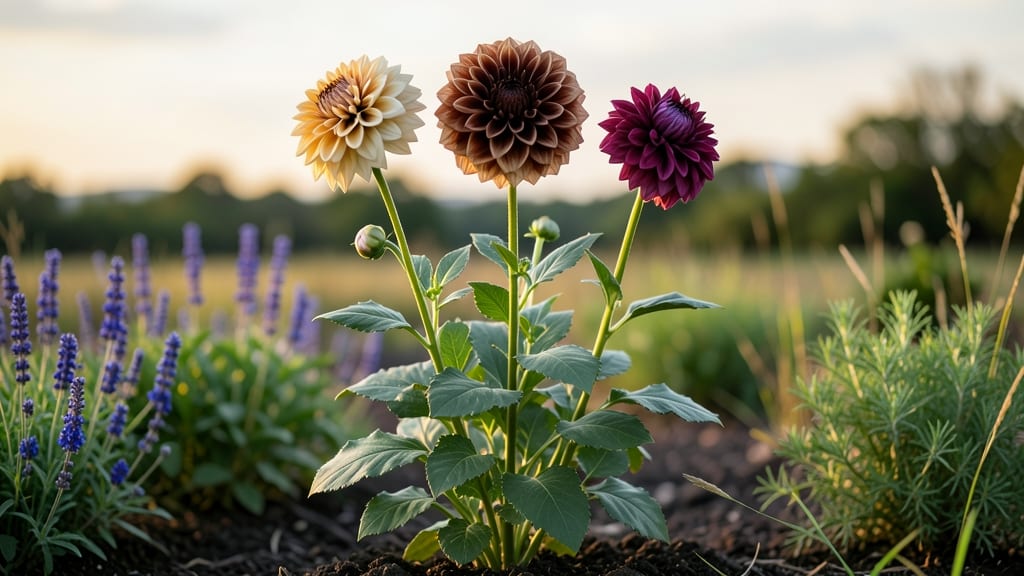
How to grow tall dahlias reaching 6 feet in your garden starts with a single stem cutting. 🌱 I’ve turned my shadiest corner into a floral tower by mastering this one technique—no green thumb required, just patience and the right approach.
Start with healthy stem cuttings from established plants (or buy tubers in early spring), plant them 4-6 inches deep in loose, nutrient-rich soil, and stake them immediately—before they grow.
Dahlias need full sun (6+ hours daily) and consistent moisture, but here’s the secret: pinch back the first set of blooms to encourage stronger stems for those jaw-dropping towering blooms later.
📚 In This Guide
- What you need
- Instructions
- Tips and common mistakes
- Wrapping up and next steps
What you need
- ● Dahlia tubers: Choose tall varieties like 'Karma Choc' (5-6 ft), 'Thomas Edison' (6-7 ft), or 'Galaxy' (4-5 ft). Buy 1-2 tubers per plant for optimal growth.
- ● Garden soil: Well-draining, loamy soil with a pH of 6.0-7.0. Mix in 2-3 inches of compost or aged manure for nutrients.
- ● Fertilizer: Balanced fertilizer (10-10-10) for planting.
- ● High-phosphorus fertilizer (5-10-10) when buds form.
- ● Mulch: 2-3 inches of straw or wood chips to retain moisture and suppress weeds.
- ● Garden trowel or shovel for planting.
- ● Pruners or sharp knife for cutting tubers and stems.
- ● Garden stakes or tomato cages (6-8 ft tall) for support.
- ● Watering can or hose with a gentle nozzle for consistent moisture.
- ● Gloves to protect hands from thorns.
- ● Epsom salt (1 tbsp per plant monthly) for magnesium boost.
- ● Copper fungicide to prevent mildew in humid climates.
- ● Plant markers to track varieties.
- ● Greenhouse or cold frame for early starts in cooler zones.
Step-by-Step instructions for growing towering dahlias from stem cuttings
Here’s how I grow dahlias that reach 6-8 feet tall—using cuttings as the fastest, most reliable method.
🌱 Step 1: Select and Prepare Healthy Stem Cuttings
Choose 4-6 inch long stems from last year’s dahlias (or fresh plants) with at least 2-3 sets of leaves. Avoid woody, overripe stems—they root poorly. I look for green, flexible growth just below the flower head. Use clean, sharp pruners to cut at a 45-degree angle just below a leaf node.
Remove the lower leaves, leaving only the top 2-3 sets. This reduces moisture loss and directs energy to root growth. Place cuttings in lukewarm water (around 70°F) for 24 hours—this softens the stem and kickstarts rooting. Change the water daily to prevent bacterial growth. You’ll see tiny bubbles forming at the cut end within 3-5 days—that’s your first sign of root development.
💧 Step 2: Root Cuttings in a Controlled Environment
Fill a 6-inch pot with a mix of 50% perlite and 50% peat moss (or a soilless propagation mix). This lightweight blend prevents rot while allowing roots to breathe. Moisten the mix until damp but not soggy—think of a wrung-out sponge. Stick 3-4 cuttings per pot, spacing them 2 inches apart, and bury them 2 inches deep at the 45-degree angle (this mimics natural growth and encourages roots to spread horizontally).
Cover the pot with a clear plastic bag secured with a rubber band to create a humidity dome. Place the pot in a bright, indirect light spot (no direct sun yet—you’re protecting tender roots). Keep the mix consistently moist by misting daily and checking soil moisture at the top inch. Roots should form in 2-4 weeks, but don’t peek—they’ll take longer in cooler conditions (below 65°F).
☀️ Step 3: Harden Off and Transplant for Maximum Height
Once roots are 1-2 inches long (gently tug a cutting—if resistance meets your fingers, it’s ready), remove the plastic and move the pot to bright, indirect light for 5-7 days. This gradual transition prevents shock. After a week, introduce 2-3 hours of morning sun daily, increasing exposure by 1 hour each day until they’re in full sun for 6+ hours. Dahlias crave light—this step ensures sturdy stems that won’t flop under their own weight.
Transplant rooted cuttings into the garden after the last frost, spacing them 18-24 inches apart in well-draining soil amended with 2 inches of compost. Bury the entire root ball 1-2 inches deeper than it was in the pot—this stabilizes the plant and encourages more basal stems. Water deeply at planting, then mulch with 2-3 inches of straw to retain moisture and regulate soil temperature. You’ll notice new growth within 7-10 days—that’s your signal the plant is established.
✂️ Step 4: Support and Maintain for Towering Growth
Install 6-foot stakes or cages at planting (dahlias grow fast—waiting to support them leads to broken stems). I use bamboo stakes tied with soft garden twine to avoid damaging the stems as they thicken. Pinch back the first set of buds when the plant reaches 12 inches tall—this redirects energy to thicker stems and more basal growth, not just flowers. You’ll end up with 3-5 strong stems per plant instead of one leggy shoot.
Water at the base (not overhead) 1-2 times per week, aiming for 1 inch of water per week. Dahlias are thirsty but hate soggy roots—let the top 2 inches of soil dry between waterings. Fertilize every 2 weeks with a balanced 10-10-10 formula (or fish emulsion) to fuel rapid growth. Deadhead spent blooms weekly to encourage more flowers and prevent the plant from putting energy into seed production. With this care, your dahlias will top out at 7-8 feet by late summer.
Tips & tricks for growing towering dahlias from stem cuttings
These insider strategies will help you coax those dramatic 6-8 foot dahlias from your cuttings—without the common pitfalls that leave gardeners with floppy stems or stunted growth.
Cutting Selection: The 4-6 inch length and 2-3 leaf sets in Step 1 are non-negotiable, but here's what I look for beyond the basics: focus on stems from the middle section of last year's plants, not the very top or bottom. These middle stems contain the perfect balance of stored energy and growth hormones. I also avoid any stems with visible signs of disease or pest damage—even small spots can compromise your entire batch. Remember, you're starting with a plant's genetic potential, so give it the best possible beginning.
Rooting Environment: That 50% perlite/50% peat moss mix in Step 2 is your secret weapon, but the real magic happens in the humidity dome. I've found that adding a small handful of sphagnum moss to the bottom of the pot before adding the cuttings creates an extra moisture reservoir that keeps roots happy during their critical development phase. Also, resist the urge to peek at your cuttings—every time you lift that plastic, you disrupt the humidity and temperature balance. Trust the process and those 2-4 weeks will pass quickly with visible root growth.
Transplant Timing: Waiting until roots reach 1-2 inches in Step 3 ensures your dahlias have the strength to handle transplant shock, but there's an even better trick: I like to transplant on a cloudy day or in the late afternoon when temperatures are cooler. This gives your newly rooted cuttings a head start before they face full sun. And here's a pro move—if you're planting in early spring when nighttime temperatures still dip below 50°F, consider using a cloche or row cover for the first week to protect tender new growth.
Support System: Those 6-foot stakes in Step 4 aren't just decorative—they're essential for preventing stem breakage as your dahlias grow. I've learned this the hard way after watching perfectly healthy plants snap under their own weight during summer storms. My current favorite setup uses three stakes per plant arranged in a triangle, tied together at the top with twine. This creates a more stable structure that can handle the wind and weight of those towering blooms. Install them at planting time when the soil is still soft and easy to work with.
Pro Tips for Grow Tall Dahlias
- These insider strategies will help you coax those dramatic 6-8 foot dahlias from your cuttings—without the common pitfalls that leave gardeners with floppy stems or stunted growth.
- These middle stems contain the perfect balance of stored energy and growth hormones.
- Rooting Environment: That 50% perlite/50% peat moss mix in Step 2 is your secret weapon, but the real magic happens in the humidity dome.
Frequently asked questions
Got questions about growing tall dahlias? You’re not alone! Here are some of the most common concerns—and their answers—to help you cultivate those stunning, sky-high blooms with confidence.
How deep should I plant dahlia tubers?
Plant tubers eyes-up (about 4–6 inches deep) in well-draining soil. The "eyes" (buds) should face upward—this ensures strong stems and prevents rot. Mulch lightly afterward to retain moisture.
When is the best time to take stem cuttings?
Take cuttings in late spring or early summer when new growth is 4–6 inches tall and has at least 2–3 sets of leaves. Avoid cutting too early—wait until the plant is actively growing for best results.
Why are my dahlia stems flopping over?
Floppy stems usually mean weak support or overcrowding. Stake or cage plants early, and prune lower leaves to reduce weight. If stems are leggy, pinch back tips to encourage bushier growth.
Can I grow tall dahlias in containers?
Use a large pot (15+ gallons) with drainage holes, and plant tubers deep. Choose dwarf varieties (like ‘Mignon’ series) for smaller spaces. Keep containers in full sun and water consistently.
What pests should I watch for?
Dahlias attract aphids, slugs, and earwigs. Prevent issues with neem oil (aphids) or beer traps (slugs). Remove damaged leaves promptly, and inspect plants regularly for early signs of trouble.
Wrapping up and next steps
Growing tall dahlias is all about patience, the right techniques, and a little love for your plants! With proper stem cuttings, well-draining soil, and consistent care, you’ll soon be rewarded with stunning, towering blooms that steal the show in your garden. 🌸
Now that you’re armed with the know-how, it’s time to roll up your sleeves and give it a try. Start with just a few cuttings, experiment with varieties, and watch your garden transform into a dazzling masterpiece. Happy growing—your dahlias are waiting for their moment to shine! 🌱✨