
Size
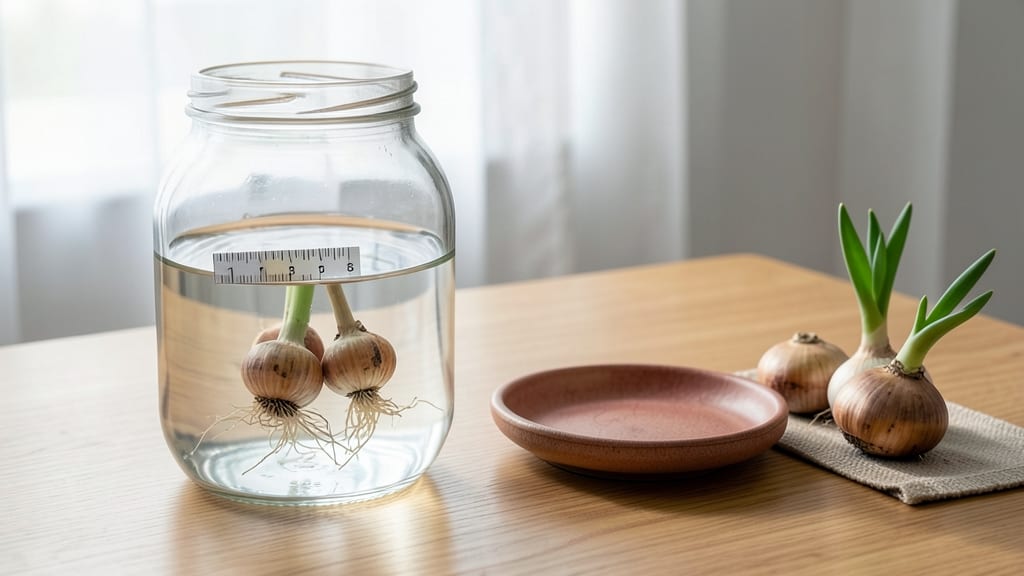
How to grow tulips indoors in water feels like magic—no soil, no mess, just roots unfurling in a vase. 🌱 I’ve forced tulips this way for years, and the secret isn’t complicated: pick the right bulbs, keep the water fresh, and give them light. Within 3 weeks, you’ll have blooms bright enough to rival springtime. The bulbs you choose matter—look for paperwhite or Darwin hybrid varieties, as they force best in water. You’ll also need a narrow vase (roots need room to spread), cool water (change it every 3-4 days), and a sunny windowsill. No fancy equipment—just patience and a little attention to detail. What’s wild is how the stems grow 2-3 inches per week, with buds opening right in your home. The blooms last 5-7 days, and you can even replant the bulbs outdoors later (though they may not rebloom). The only challenge? Bulbs won’t last forever in water—expect 1-2 seasons of forcing before they peter out. Perfect for small spaces, last-minute gifts, or just beating winter blues. Here’s how to do it right the first time—no green thumbs required.
📚 In This Guide
- What you need
- Instructions
- Tips and common mistakes
- Wrapping up and next steps
What you need
- ● Tulip bulbs: 3–5 medium-sized, healthy bulbs (ensure they’re firm and free of mold or soft spots). Pro tip: Choose early-blooming varieties like Parrot or Darwin Hybrid for faster results!
- ● Clear glass or vase: A wide-mouth jar (6–8 inches tall) or a shallow bowl with a diameter at least twice the bulb’s width (e.g., 4–6 inches wide). Why? Wider vessels prevent tipping and allow better water circulation.
- ○ Room-temperature water: Tap water is fine, but avoid distilled or softened water (it lacks minerals). Optional: Use filtered or rainwater for purer results.
- ● Decorative pebbles or marbles: 2–3 small stones (½ inch diameter) to weigh down bulbs and keep them submerged just enough to cover their bases.
- ● Pruning shears or scissors: For trimming stems to your desired height (4–6 inches) once sprouts appear.
- ○ Food coloring (optional): A few drops of natural dye (like beet juice or turmeric) to tint the water for a fun, artistic touch.
- ● Grow lights or sunny windowsill: A south-facing window (6+ hours of sunlight) or a small LED grow light (12–14 hours/day) to boost growth.
- ○ Small fan (optional): A gentle breeze (from a USB fan) to prevent mold on bulbs in humid conditions.
- ● Patience: Tulips need 4–6 weeks of cold treatment (chilling) before sprouting—plan ahead!
- ● Space: A cool (50–60°F), draft-free spot for chilling (e.g., a fridge crisper drawer with a paper towel wrap).
- ● Time: Dedicate 5–10 minutes daily to check water levels and trim stems as needed.
Step-by-Step instructions for growing tulips indoors in water
Here's how to coax vibrant tulips from bulbs without soil—no green thumb required.
🌱 Step 1: Select and Prepare Your Tulip Bulbs
Choose firm, plump tulip bulbs (about 3-4 inches in diameter) from the grocery store or garden center. Avoid any that feel soft or have sprouts already growing—they won’t last as long. For this project, you’ll need 4 bulbs to fill your serving count.
Peel away the dry outer skin to expose the smooth, papery layers underneath. This isn’t just for looks—removing the outer layer helps the bulb absorb water faster and prevents rot. I like to do this under running water to keep things clean. Place the bulbs in a bowl of cool water for 10 minutes to rinse off any dust or debris, then pat them dry with a paper towel.
💧 Step 2: Set Up Your Water Vessel
Pick a clear glass or vase that’s wide enough to hold your bulbs without crowding. A 6-8 inch diameter container works perfectly for 4 bulbs. Fill it with room-temperature water until the base of the bulbs is submerged about 1 inch deep. Use filtered or distilled water if possible—tap water with chlorine can shorten bloom time.
Change the water every 2-3 days to keep it fresh. Stagnant water breeds bacteria that can rot the bulbs before they bloom. I set a reminder on my phone because I’ve forgotten more times than I’d like to admit. Place the container in a spot where it’ll get bright, indirect light—like a kitchen windowsill or near a north-facing window.
☀️ Step 3: Watch for Sprouts and Adjust Light
Within 7-10 days, you’ll see tiny green shoots emerge from the top of the bulbs. This is your signal that everything’s working! Once the sprouts reach about 2-3 inches tall, move the container to a spot with stronger light, like a south-facing window or under a grow light. Tulips need plenty of light to grow sturdy stems and vibrant blooms.
If the stems start leaning toward the light, rotate the container a quarter turn every day. This ensures even growth and prevents lopsided blooms. You’ll notice the leaves unfurling and the stems thickening—this is when the magic happens. Keep the water level at 1 inch deep at all times, topping off as needed.
⏰ Step 4: Encourage Blooming and Care for Your Tulips
About 2-3 weeks after you first see sprouts, you’ll spot a bud forming at the top of the stem. This is the moment that matters: your tulips are ready to bloom! Keep the water fresh and the light bright, and in another 5-7 days, you’ll be rewarded with a stunning flower.
Once the bloom opens, move the container to a cooler spot (around 60-65°F) if possible. This tricks the tulips into thinking it’s time to rest, which can extend their vase life. Avoid direct sunlight or drafts—both can cause the petals to wilt faster. Enjoy your no-soil blooms, but know they’re temporary. After the flowers fade, the bulbs will start to shrivel, and their life cycle will be complete.
Tips & tricks for perfect indoor tulip blooms
Here's what nobody tells you about growing tulips in water—these tricks make all the difference between wilted disappointment and showstopping blooms.
Bulb Selection Matters: In Step 1, when choosing your 4 tulip bulbs, look for ones that feel heavy for their size—this indicates they're packed with stored energy for blooming. I've learned the hard way that bulbs with sprouts already growing won't last as long, so skip those unless you're in a hurry. The 3-4 inch diameter is ideal because smaller ones often don't have enough energy reserves to bloom properly in water.
Water Quality is Non-Negotiable: The instructions mention using filtered or distilled water, and I can't stress this enough. Tap water with chlorine or fluoride can stunt growth or even cause the bulbs to rot before they bloom. If you don't have filtered water, let tap water sit out uncovered for 24 hours before using to allow chlorine to evaporate. During that 10-minute rinse in Step 1, you're not just cleaning—you're removing any residual chemicals that could harm your bulbs.
Light Rotation Secret: In Step 3, when your sprouts reach 2-3 inches, moving to stronger light is crucial—but here's the trick I didn't know at first: rotate your container a quarter turn daily. This prevents stems from leaning toward the light source, which creates those unsightly lopsided blooms. Think of it like turning a plant toward the sun in your garden. The stems will grow straighter and stronger, giving you that perfect vase presentation.
Bloom Timing Hack: The instructions mention spotting a bud about 2-3 weeks after sprouts appear, but here's what I've noticed: if your kitchen stays consistently warm (above 70°F), your tulips might bloom faster—sometimes in just 3 weeks. If it's cooler (below 65°F), they may take up to 5 weeks. The 60-65°F range mentioned for post-bloom care actually works well for the entire growing process too—it's the Goldilocks zone for tulips.
Pro Tips for Grow Tulips Indoors In Water
- Here's what nobody tells you about growing tulips in water—these tricks make all the difference between wilted disappointment and showstopping blooms.
- Bulb Selection Matters: In Step 1, when choosing your 4 tulip bulbs, look for ones that feel heavy for their size—this indicates they're packed with stored energy for blooming.
- Water Quality is Non-Negotiable: The instructions mention using filtered or distilled water, and I can't stress this enough.
Frequently asked questions
Got questions about growing tulips in water? You’re not alone—this method is magical but can feel tricky at first! Below, we’ve rounded up the most common queries to help you bloom like a pro.
Can I use any tulip bulb for this method?
Not all bulbs work! Choose fresh, firm tulip bulbs (preferably from a grocery store or florist) that haven’t been refrigerated or forced to bloom yet. Avoid dried-out or sprouted bulbs—they won’t regrow well in water. Pro tip: Dutch Master or Darwin Hybrid tulips are top picks for indoor water growth!
How long does it take for tulips to bloom indoors?
With the right care, you’ll see buds in 2–3 weeks and full blooms in 3–4 weeks. Patience is key! Keep the water fresh, and place your bulbs in a sunny spot (6+ hours of light/day). If growth stalls, check for yellowing leaves or mold—it’s time to troubleshoot!
Do I need to change the water daily?
Nope! Change the water every 2–3 days to prevent bacteria and keep it room-temperature. Stagnant water can cause rot or mold. Use a small vase or jar (like a mason jar) to minimize evaporation. Bonus: Add a drop of bleach (1 part bleach to 10 parts water) weekly to keep it sterile!
What if my tulip leaves turn yellow or mushy?
Yellow leaves often mean overwatering or rot. If the bulb feels soft or smells foul, trim the affected parts and refresh the water. Moldy water? Dump it and start over with clean water. For prevention, ensure the bottom ⅓ of the bulb stays submerged—never fully submerged!
Can I reuse the bulb after blooming?
Unfortunately, no—once tulips bloom in water, the bulb depletes its energy and won’t regrow. But don’t toss it! Plant it in soil outdoors in fall (after frost) for next year’s blooms. Fun fact: Some gardeners save bulbs and replant them, turning a one-time water display into a long-term garden staple!
What’s the best light source for indoor tulips?
A south-facing window is ideal, but if your space is dim, supplement with a grow light (12–14 hours/day). Avoid direct sunlight (like a hot windowsill), which can scorch leaves. Low light? Expect slower growth—tulips need brightness to thrive!
Wrapping up and next steps
Growing tulips indoors in water is a simple, rewarding way to bring early spring vibes into your home—no green thumb required! 🌸 With just a few basic supplies and a little patience, you’ll enjoy vibrant blooms in as little as three weeks.
Start with healthy bulbs, keep the water fresh, and bask in the beauty of nature’s artistry right on your windowsill.
Now that you’re ready to bloom, why not take it a step further? Try experimenting with different bulb varieties or even propagating your tulips for next season. Happy growing—your indoor garden awaits! 🌱