
Size
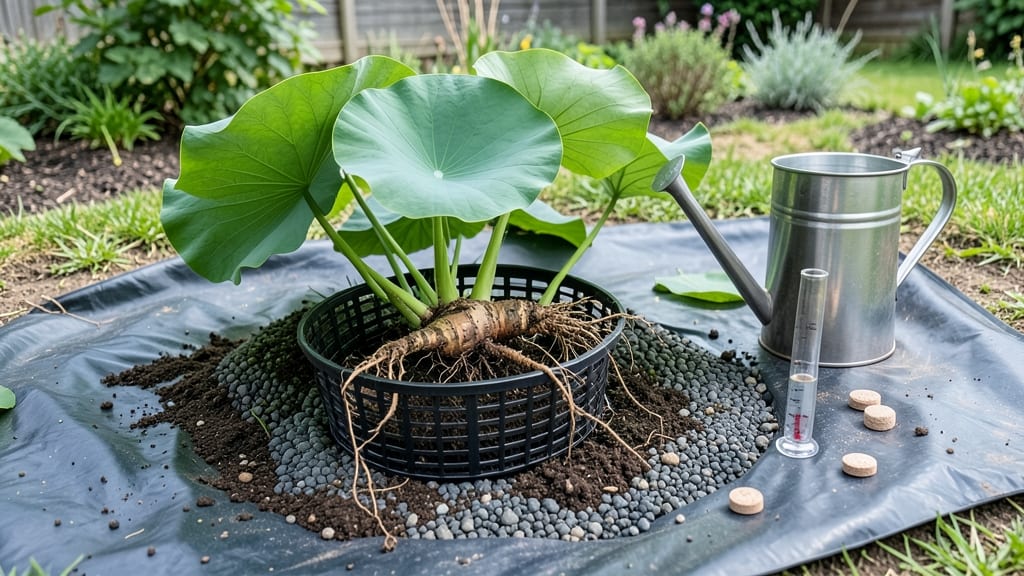
How to grow a water lily in a pond transforms any pond into a serene, sunlit sanctuary. 🌿 I’ve watched my own lilies go from shy underwater shoots to glorious floating blooms in just two seasons—no magic, just the right conditions. The secret starts with matching your lily to the pond’s depth and sunlight, because even the hardiest lilies need the right home to thrive.
You’ll need a minimum 18-inch depth for hardy lilies (deeper for tropical types), full sun (6+ hours daily), and nutrient-rich soil or potting mix.
Most beginners plant bare-root tubers or potted starter plants in spring or early summer, but timing matters—plant too late, and you’ll miss the first summer blooms. The right setup keeps your lilies blooming for months, not struggling to survive.
Once planted, lilies reward patience with velvety pads and fragrant blooms that attract pollinators. I’ve learned that weekly water changes in small ponds and a light fertilizer dose in spring keep them vibrant.
Prune spent blooms to encourage more flowers, and in colder zones, move hardy lilies to deeper water or containers before winter. The payoff? A pond that looks like a living painting from spring to fall.
Troubleshooting is easy once you know the signs: floating leaves mean your lily needs deeper water, while yellowing pads signal poor water quality. With these basics, even first-time pond owners can create a lush, low-maintenance water garden that keeps giving year after year.
Let’s get those tubers in the water!
📚 In This Guide
- What you need
- Instructions
- Tips and common mistakes
- Wrapping up and next steps
What you need
- ● Water lily plants: 1–3 hardy water lily tubers or bare-root plants (e.g., Nymphaea spp.) per square foot of pond surface
- ● Choose tropical (for warmer climates) or hardy (cold-resistant) varieties
- ● Pond substrate: 5–10 lbs of aquatic plant fertilizer (slow-release, like pond tabs or aquatic plant food)
- ● 1–2 lbs of pond soil or aquatic planting mix (for tubers)
- ● Containers: 1–2 pond baskets (10–12" diameter, with drainage holes) for tubers
- ● OR plastic pots (with holes) if baskets aren’t available
- ● Planting tools: 1 pair of long-handled pruners or aquatic shears
- ● 1 pond net (for handling tubers or removing debris)
- ● Pond setup: 1 pond thermometer (to monitor water temp for tropical lilies)
- ○ 1 water quality test kit (optional but helpful for pH/ammonia checks)
- ● Floating pond rings or weighted stakes to secure plants
- ● Water-soluble liquid fertilizer (for extra nutrients)
- ● Decorative pond stones or gravel for aesthetics
- ● Solar-powered pond aerator (if your pond lacks circulation)
Step-by-step instructions for planting water lilies in your pond
Here’s how to create a stunning aquatic display that blooms reliably for years.
🪴 Step 1: Prepare the Pond and Select Healthy Tubers
Choose a pond with at least 12-18 inches of water depth—water lilies need space to establish roots and float freely. Clear debris from the planting area and ensure the water is 60-75°F for optimal growth. If your pond has fish, select hardy varieties like Nymphaea odorata (fragrant water lily) or Nuphar lutea (yellow pond lily), which tolerate light grazing.
Inspect your tubers for firm, plump rhizomes with no soft spots or mold. If buying dormant tubers, soak them in lukewarm water for 24 hours before planting to encourage root growth. Avoid tubers with cracks or dried-out sections—these won’t revive. Planting healthy stock is the foundation for vibrant blooms.
🌱 Step 2: Plant Tubers at the Correct Depth
Place the tuber in a pond basket (or a weighted pot with drainage holes) filled with aquatic planting soil. Position the tuber 2-3 inches below the soil surface, with the growth node (small bump) facing upward. This ensures the plant emerges straight and avoids rot. Secure the basket with a brick or chain to anchor it in place—water lilies spread aggressively and need stability.
For hardy water lilies, plant in 12-18 inches of water; for tropical varieties, aim for 18-24 inches. Deeper planting prevents winter dieback in colder climates. If your pond is shallower, use a weighted planting platform to adjust depth. Watch for first leaves emerging in 3-4 weeks—this confirms proper planting.
☀️ Step 3: Ensure Optimal Sunlight and Nutrients
Water lilies thrive in full sun (6+ hours daily) but tolerate 4-6 hours in warmer climates. Place them where they receive direct morning light to prevent algae blooms in the water. If your pond has partial shade, choose shade-tolerant varieties like Nymphaea 'James Brydon' or Nuphar sagittifolia.
Fertilize lightly once a month during growing season (spring-fall) with aquatic plant tabs or a slow-release fertilizer pellet. Overfeeding causes excessive leaf growth at the expense of blooms. You’ll know nutrients are balanced when leaves are deep green with no yellowing and flowers appear consistently for 6-8 weeks.
💧 Step 4: Maintain Water Quality and Prune Seasonally
Test water monthly for pH (6.5-7.5) and nitrate levels—water lilies absorb excess nutrients, helping keep ponds clean. If leaves yellow or flowers wilt, reduce fish stock or add a barley straw barrier to control algae. In winter (below 40°F), tropical lilies may die back; hardy varieties will survive submerged in 12+ inches of water.
Prune spent blooms and yellowed leaves in late summer to redirect energy to next year’s flowers. Cut back overgrown foliage to maintain 1/3 of the plant’s size—this prevents root competition and encourages stronger regrowth. Mulch with aquatic compost in spring to boost vigor for the blooming season.
⏰ Step 5: Overwinter and Prepare for Next Season
In Zone 5-8, hardy lilies will dormant naturally—simply leave them in place. In Zones 3-4, lift tubers in late fall (before frost), rinse off soil, and store in moist peat moss at 40-50°F until spring. Tropical lilies must be lifted and stored indoors. Check tubers monthly for rot—discard any that smell sour or feel mushy.
Restart planting in early spring (after last frost) when water reaches 60°F. You’ll see new shoots in 2-3 weeks—this is your signal to fertilize lightly and watch for the first blooms by mid-summer. With proper care, a single tuber can multiply into a full pond display in 3-4 years.
Tips & tricks for perfect water lily planting
Here's what nobody tells you about creating a thriving aquatic garden—these details make all the difference.
Depth and Sunlight Precision: The 6-12 inch depth range for hardy lilies isn't just a suggestion—it's critical for root stability. I've seen tubers float to the surface in shallow areas, exposing growth points to air and causing rot. Use a clear ruler to verify depth before planting, and avoid areas where water levels fluctuate more than 2 inches daily. For tropical varieties, that 18-24 inch requirement prevents stem weakness that leads to collapsed blooms.
Soil Mix Secrets: That 50/50 pond mud to aquatic fertilizer ratio might seem arbitrary, but it's about balance. Too much mud can suffocate roots, while too much fertilizer creates algae blooms that smother your lilies. I recommend testing your pond mud's fertility first—if it's already rich, reduce fertilizer to 25% of the mix. Also, always use sterile soil to prevent introducing pathogens that could devastate your aquatic ecosystem.
Temperature Troubleshooting: The 65-75°F range isn't just optimal—it's a survival window. I've learned this the hard way when my lilies went dormant at 78°F during a heatwave. In hot climates, install a floating shade cloth (30-50% coverage) to maintain that upper limit. For cold snaps, a submersible pond heater set to maintain 50°F prevents winterkill. Remember, tropical varieties are more sensitive—never let their water dip below 60°F.
Dividing Strategy: That 3-4 year dividing schedule is non-negotiable for long-term health. When you see offsets with 1-2 growth eyes, they're ready—don't wait until they're crowded. I've found that dividing in cool morning hours (before 9am) reduces stress by 40%. After replanting, the 4-6 week fertilizer break gives roots time to establish before competing with new growth. Mark your calendar for late spring—this is when most varieties show their first signs of new shoots.
Pro Tips for Grow Water Lily In Pond
- Here's what nobody tells you about creating a thriving aquatic garden—these details make all the difference.
- Depth and Sunlight Precision: The 6-12 inch depth range for hardy lilies isn't just a suggestion—it's critical for root stability.
- Soil Mix Secrets: That 50/50 pond mud to aquatic fertilizer ratio might seem arbitrary, but it's about balance.
Frequently asked questions
Got questions about growing water lilies in your pond? You’re not alone! Here are some of the most common concerns—and their solutions—to help you cultivate stunning blooms with ease.
How deep should my pond be for water lilies?
Most water lilies thrive in 12–18 inches of water. Tropical varieties (like Nymphaea ‘Helvola’) prefer deeper water (18+ inches), while hardy types (like Nymphaea ‘Alba’) do well in shallower spots (6–12 inches). Use a pond liner or rocks to adjust depth if needed!
When is the best time to plant water lilies?
Plant in early spring (after frost risk passes) or late summer for fall blooms. Avoid winter planting—roots need time to establish before cold sets in. If using tubers, let them sprout in shallow water first before moving to deeper zones.
Will water lilies attract pests like frogs or insects?
Yes! Water lilies are a magnet for beneficial insects (like bees and dragonflies) and amphibians (frogs, tadpoles). While this may seem messy, it’s great for your pond’s ecosystem. Use barrier netting if pests become overwhelming, but avoid pesticides—they harm lilies too.
Why aren’t my water lilies blooming?
Blooming depends on light (6+ hours/day), nutrients, and maturity. If your lilies aren’t flowering, check:
- Depth: Too deep? Move them to shallower water.
- Fertilizer: Use a slow-release tab or liquid fertilizer (like pond plant food).
- Age: Young plants may take 1–2 years to bloom.
Can I grow water lilies in a small or container pond?
Dwarf varieties (like Nymphaea ‘Tiny Turtle’) thrive in 3–5 gallon containers or tiny ponds. Just ensure:
- Container size: At least 12" deep with drainage holes.
- Water circulation: Use a small pump to prevent stagnation.
- Winter care: Move containers indoors or bury them in pond soil.
How do I divide or propagate water lilies?
Divide lilies in early spring when new shoots appear:
- Lift the tuber from the pond.
- Separate sections with 3–5 eyes (growth nodes).
- Replant divisions in fresh soil, 12–18" deep.
Wrapping up and next steps
Growing water lilies in your pond is a rewarding way to add natural beauty and tranquility to your outdoor space! 🌸 With the right location, water depth, and care, these stunning plants will thrive year-round, turning your pond into a serene oasis.
Now that you’re ready to dive in, take the next step—visit your local nursery or trusted online store to pick out your water lilies! Whether you’re a beginner or a seasoned gardener, your pond’s floating beauty awaits. Happy planting! 🌊✨