
Trees
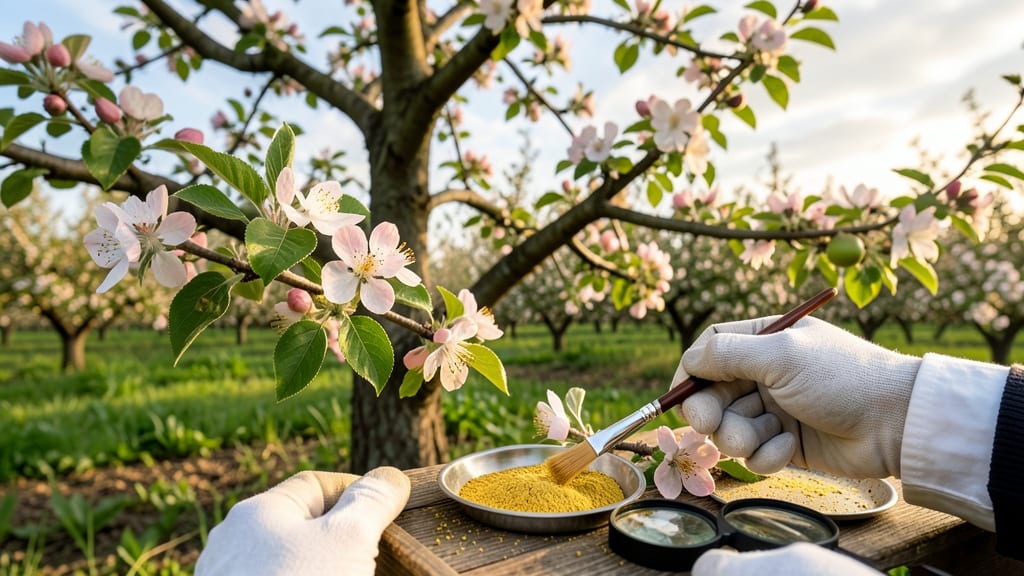
Hand pollinating apple trees doubles your harvest when bees aren't enough. 🌱 I learned this trick after years of thin fruit sets—now my trees produce bushels of crisp apples every season. The process is simpler than it sounds, requiring just a few tools and a little timing.
You'll need a soft paintbrush, a sunny morning when flowers are open, and patience. Avoid pesticides for 2-3 weeks before pollination—chemicals kill the very pollen you need. The best time is when flowers first bloom, typically in late spring, though exact timing depends on your climate zone.
Start by collecting pollen from one tree's flowers using your brush, then gently transfer it to another's stigma. Repeat this process for 3-5 flowers per branch to maximize fruit set. Within 4-6 weeks, you'll see tiny apples forming—proof your handiwork paid off.
For best results, pollinate multiple trees to ensure genetic diversity. If fruit set remains low, check for pests, nutrient deficiencies, or late frosts. With practice, this technique becomes second nature—and your neighbors will wonder how you grow so many apples.
Natural Barriers Preventing Pollination
Pollination is the silent hero behind your apple tree’s fruit bounty, but sometimes nature throws up roadblocks—even when bees and wind should be doing their job. Understanding these hurdles helps you intervene effectively. Here’s why hand pollination might be necessary, broken down by the real culprits:
Apple trees rely on wind, bees, or other pollinators to transfer pollen from flower to flower. But when Mother Nature doesn’t cooperate, fruit set suffers:
- Cold or Rainy Springs: 🌡️ Apple blossoms thrive in 50–70°F (10–21°C). Below 40°F (4°C), pollen grains shrink, dry out, or fail to germinate on the stigma (the flower’s receptive surface).
Heavy rain can wash pollen away before it sticks, leaving flowers sterile. - Actionable fix: Monitor your local National Weather Service for frost warnings. If rain is forecasted during bloom, pollinate manually on dry mornings.
- Isolation from Pollinators: 🐝 Many apple varieties are self-unfruitful, meaning they need pollen from a different tree (even a different cultivar) to produce fruit.
If your tree is the only apple tree for miles, bees won’t find compatible pollen. - Actionable fix: Plant a pollinator-friendly companion (e.g., a second apple variety like ‘Honeycrisp’ or ‘Granny Smith’) or collect pollen from a nearby tree using a soft brush.
- Extreme Heat or Drought: 🔥 Temperatures above 85°F (29°C) can kill pollen before it’s released, while drought-stressed trees produce less viable pollen or flowers that drop prematurely. - Actionable fix: Water trees deeply 1–2 weeks before bloom to ensure they’re hydrated.
If heat strikes during bloom, hand-pollinate early in the morning when pollen is fresh.
A struggling tree won’t pollinate well—even if the weather is perfect. These hidden problems sabotage fruit set:
- Young or Immature Trees: 🌱 Trees under 3–5 years old often produce flowers but lack the energy to develop fruit.
Their energy goes into growth, not reproduction. - Actionable fix: Focus on nutrient-rich soil (add compost or balanced fertilizer in early spring) and prune lightly to encourage stronger blooms next year.
- Nutrient Deficiencies: 🍃 A lack of boron, zinc, or nitrogen directly impacts pollen production and flower health.
Boron, for example, is critical for pollen tube growth—without it, pollen can’t reach the ovary. - Actionable fix: Test your soil and amend with Epsom salt (magnesium sulfate) or a balanced fruit-tree fertilizer before bloom. A boron spray (0.1–0.2%) applied during bud swell can help.
- Pest or Disease Damage: 🐜🍄 Coddling moths, aphids, or fungal diseases (like apple scab) can destroy blossoms before pollination occurs.
Even fire blight (a bacterial infection) can kill flower clusters entirely. - Actionable fix: Apply neem oil or horticultural oil to prevent pests, and prune out infected branches in late winter. For fungal issues, use copper-based sprays as a preventive measure.
- Root or Canopy Stress: 🌳 Competition from weeds, root rot, or over-pruning weakens the tree, reducing flower quality and pollen viability.
- Actionable fix: Mulch around the base to retain moisture, avoid heavy pruning during dormancy, and inspect roots for signs of rot (soft, discolored roots).
Not all flowers are created equal—and some are downright tricky when it comes to pollination:
- Incompatible Cultivars: 🍎 Some apple varieties are self-sterile, meaning their pollen won’t fertilize their own flowers. Even if bees visit, no fruit will form without cross-pollination. - Actionable fix: Check your tree’s cultivar tag (e.g., ‘Fuji’ needs ‘Gala’ or ‘Golden Delicious’ nearby).
If unsure, test pollinate by transferring pollen to a few flowers—if they don’t set fruit, you’ll know compatibility is the issue.
- Poor Pollen Quality: 💨 Even if flowers open, old or stored pollen loses viability within hours.
Wind-pollinated varieties (like ‘Granny Smith’) release pollen that degrades quickly in humid conditions. - Actionable fix: Collect pollen fresh (within 24 hours of flower opening) and store it in a cool, dry place if you need to pollinate later in the day.
- Synchronization Issues: 🕒 Apple flowers have a short receptive window—often just 1–2 days—where the stigma can accept pollen. If pollination happens too early or late, fertilization fails. - Actionable fix: Time your hand pollination by checking for sticky stigmas (they look glistening when ready).
Use a hand lens to confirm pollen tubes are growing (a sign of successful pollination).
Pro Tip: 💡 Keep a pollination journal! Note the date flowers open, weather conditions, and whether you hand-pollinated. Over time, you’ll spot patterns (e.g., “Every year, our ‘McIntosh’ fails after the first rain—time to act faster!”).
Fixing Common Pollination Pitfalls
Hand pollinating apple trees is a rewarding but nuanced process—even with the best intentions, issues like poor fruit set, weak blooms, or pest interference can derail your efforts. Below, we’ll tackle the most common challenges with practical, step-by-step fixes and preventive tips to ensure your apple trees thrive.
Why it happens: Harsh weather, pests (like aphids or mites), or over-zealous pruning can weaken flowers before pollination.
🔧 How to Fix It
- Prune strategically 🌿
- Trim dead or diseased branches in late winter (before blooms appear) to redirect energy to healthy flowers.
- Avoid heavy pruning in fall or early spring—this stresses the tree when it’s already vulnerable.
- Protect blooms from pests 🐞
- Neem oil spray (mix 1 tbsp neem oil + 1 tsp mild soap in 1 quart water) applied 2–3 weeks before blooming deters aphids and mites.
- Row covers (lightweight fabric) can shield flowers from early-season pests if infestations are severe.
- Hand-pollinate early ⏰
- If blooms are already damaged, pollinate as soon as they open (even if slightly wilted) to maximize chances of fruit set.
💡 Prevention Tips
- Monitor weather forecasts and cover trees with frost cloth if late frosts are predicted.
- Plant companion flowers (like dill or marigolds) nearby to attract beneficial insects that deter pests.
Why it happens: Wind, rain, or lack of pollinators can prevent pollen transfer, especially in self-unfruitful apple varieties.
🔧 How to Fix It
- Boost cross-pollination manually 🐝
- If your tree lacks a pollinator partner, rent or borrow a bee colony (even a small hive) near blooming time.
- DIY pollination tool: Use a paintbrush or cotton swab to transfer pollen from one flower to another on cloudy, dry days (when pollen is most viable).
- Optimize timing ⏳
- Pollinate early morning (when flowers are fully open and dew is present) for best pollen stickiness.
- Avoid midday heat—pollen dehydrates quickly, reducing success rates.
- Improve airflow 🌬️
- Thin out dense foliage around blooms to reduce humidity (excess moisture washes away pollen).
- Fan blooms gently (with a handheld fan) if humidity is high to help pollen disperse naturally.
💡 Prevention Tips
- Plant two compatible apple varieties within 50–100 feet of each other to encourage natural cross-pollination.
- Avoid over-fertilizing with nitrogen—this promotes leafy growth over flowers. Use a balanced 10-10-10 fertilizer in early spring instead.
Why it happens: Even with successful pollination, factors like nutrient deficiencies, disease, or over-thinning can cause flowers to drop.
🔧 How to Fix It
- Fertilize for fruit development 🌱
- Apply a potassium-rich fertilizer (like 0-0-50) 2 weeks after pollination to support fruit growth.
- Avoid phosphorus-heavy fertilizers—they encourage more flowers but weaker fruit.
- Check for fungal issues 🍄
- Blossom blight (caused by Monilinia fungus) turns petals brown and drops fruit. Treat with copper fungicide (like Bordeaux mixture) before blooms open.
- Remove fallen petals/debris promptly to reduce spores.
- Thin fruit early ➖
- Once fruit forms, thin clusters to 4–6 inches apart to prevent overcrowding (which leads to small, misshapen apples).
- Use sterilized pruning shears to avoid spreading disease.
💡 Prevention Tips
- Mulch trees with wood chips (3–4 inches deep) to retain moisture and deter fungal growth.
- Water deeply but infrequently—apple trees need 1–1.5 inches of water per week, but soggy soil invites rot.
Why it happens: Urban gardens, pesticide use, or late-season blooms may limit bee activity.
🔧 How to Fix It
- Create a pollinator-friendly garden 🌸
- Plant bee-attracting flowers (like lavender, clover, or sunflowers) nearby to lure bees to your apple tree.
- Avoid systemic pesticides (neonicotinoids) during bloom season—they’re toxic to bees.
- DIY bee hotels 🐝🏠
- Install solitary bee houses (bamboo tubes or wooden blocks with drilled holes) to encourage native bee populations.
- Hand-pollinate as backup 🖌️
- If bees are scarce, use a soft brush to transfer pollen between flowers 2–3 times daily during peak bloom.
💡 Prevention Tips
- Bloom at the right time: Choose apple varieties that align with your local bee activity peaks (e.g., ‘Honeycrisp’ blooms early and attracts bees well).
- Leave some "weeds" like dandelions—they’re early-season bee staples!
Keep a simple pollination log with:
- Date of pollination
- Weather conditions (sunny/cloudy/rainy)
- Number of flowers pollinated vs. fruit set
This helps you refine your method year over year for better results! 📈
Frequently asked questions
What’s the best time of day to hand pollinate apple trees?
Pollinate in the early morning when flowers are fully open and dew is present. This ensures pollen is fresh and sticky, maximizing its chances of sticking to the stigma. Avoid midday heat, as pollen dehydrates quickly and loses viability.
Can I reuse pollen from one day to the next?
No, pollen loses viability within 24 hours. Always collect fresh pollen from open flowers each morning. Store any leftover pollen in a cool, dry place only if you need to pollinate later the same day—but it’s best to use it immediately for optimal results.
How do I know if my apple tree needs hand pollination?
Check for these signs: fewer than 20% of flowers set fruit, blooms drop prematurely, or your tree is isolated from other apple varieties. Also, if your area has had cold, rainy springs or low bee activity, manual pollination can significantly boost your harvest.
What’s the difference between self-pollinating and cross-pollinating apple trees?
Self-pollinating varieties (like ‘Golden Delicious’) can produce fruit from their own pollen, but they often yield more when cross-pollinated. Cross-pollinating varieties (like ‘Honeycrisp’) require pollen from a different tree to set fruit. Always check your tree’s tag for compatibility.
How long after hand pollination will I see apples forming?
You’ll typically see tiny fruit (called “king apples”) forming within 4–6 weeks after successful pollination. These will grow rapidly in 6–8 weeks. Thin them to 4–6 inches apart to ensure larger, healthier fruit.