
How To
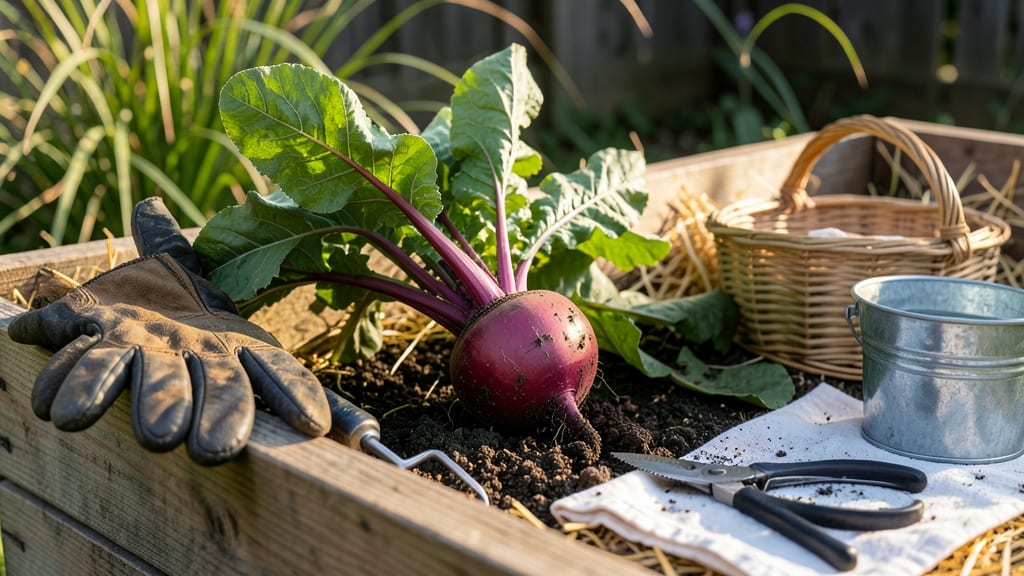
There’s nothing quite like the satisfaction of pulling a perfectly sweet 🍠 from your garden—only to realize you’ve got a whole harvest of how to harvest and store beets waiting to be preserved.
The key to turning your beet bounty into long-term flavor lies in knowing exactly when to harvest and how to preserve them.
Timing is everything with beets: harvest too early, and they’ll be undersized; leave them too long, and they’ll turn woody or bitter. I’ll show you the telltale signs—like deep color and firm roots—that mean it’s time to pull them for peak sweetness.
Once harvested, the right storage method can keep your beets fresh for months. Whether you’re refrigerating, freezing, or using a root cellar, I’ve got the step-by-step techniques to prevent spoilage and keep that garden-fresh taste all year.
From avoiding common mistakes to maximizing shelf life, this guide will help you store your beets like a pro—so you can enjoy homegrown goodness even in winter. Let’s get started!


When and how to harvest beets for maximum sweetness and texture
Timing your beet harvest is everything—pull them too early, and you’ll miss out on sweetness; leave them too late, and they’ll turn tough and woody.
The ideal harvest window for most beet varieties is 50 to 70 days after planting, but size and color are your best indicators, not just days on the calendar.
For child leaves harvest, you can snip the outer leaves when they reach 4–6 inches tall—this encourages the root to grow larger. But for the main event, focus on the root diameter.
Aim for 1 to 3 inches across; smaller beets are tender but less flavorful, while larger ones develop a woody texture and bitter taste.
Visual cues matter just as much as size. Look for deep, uniform color—whether it’s the classic deep red, golden yellow, or striped patterns. The skin should feel firm to the touch, not soft or wrinkled. If the beet feels spongy or hollow when pressed, it’s past its prime.
Seasonal timing also plays a role. Spring-planted beets often mature faster in cooler weather, while fall-planted varieties may take longer but develop sweeter flavors as temperatures drop. In hot summers, beets can bolt (send up flowers), so harvest promptly to avoid bitterness.
Here’s a pro tip: Gently tug on the beet greens when checking readiness. If the root slips easily from the soil, it’s ready. If it resists, wait a few more days. Never pull by the greens—this can damage the root and leave it vulnerable to rot.
🌱 Beet Harvest
Step-by-step beet storage methods: from fridge to freezer to root cellar
Storing beets properly extends their shelf life from weeks to months—whether you’re prepping for winter soups or preserving summer’s bounty.
After harvesting, trim the greens (save them for pesto!) and rinse roots gently to remove dirt. Never soak them—this speeds up spoilage. The key to long-term storage lies in removing excess moisture and choosing the right method based on your needs.
Short-term storage (1-2 weeks) works best in the fridge. Place whole, uncut beets in a plastic bag with a paper towel to absorb moisture. For longer storage (months), consider a root cellar or freezing. Each method has trade-offs between convenience and flavor retention.
Storage Method Comparison
| Method | Shelf Life | Prep Required | Best For |
|---|---|---|---|
| Fridge | 1-2 weeks | Minimal (trim greens) | Quick use, convenience |
| Root Cellar | 2-5 months | Cure beets first (see below) | Long-term, fresh flavor |
| Freezing | 8-12 months | Peel, slice, blanch | Cooking, smoothies |
| Canning | 12+ months | Peel, pressure can | Emergency prep, pantry |
For root cellar storage, cure beets first: Leave them whole, trim greens to 1 inch, and store in a single layer on a tray for 24 hours at room temperature.
This hardens the skin, preventing rot. Once cured, store in sand or sawdust in a cool, dark space (ideal temp: 32-40°F).
Freezing beets is ideal for cooked dishes. Peel, slice, and blanch for 2 minutes before shocking in ice water. Spread on a tray to prevent clumping, then transfer to airtight freezer bags. Label with the date—frozen beets last 8-12 months but may soften slightly after thawing.
If you’re canning beets, use a pressure canner (not water bath) for safety. Process pint jars for 90 minutes at 10 lbs pressure. Avoid overcrowding jars—leave a 1-inch headspace to prevent mold. For best results, use young, tender beets under 2 inches in diameter.
Pro tip: Save beet greens by storing them separately in the fridge for up to 5 days. Blanch and freeze them like spinach for later use in soups or smoothies.