
Picking
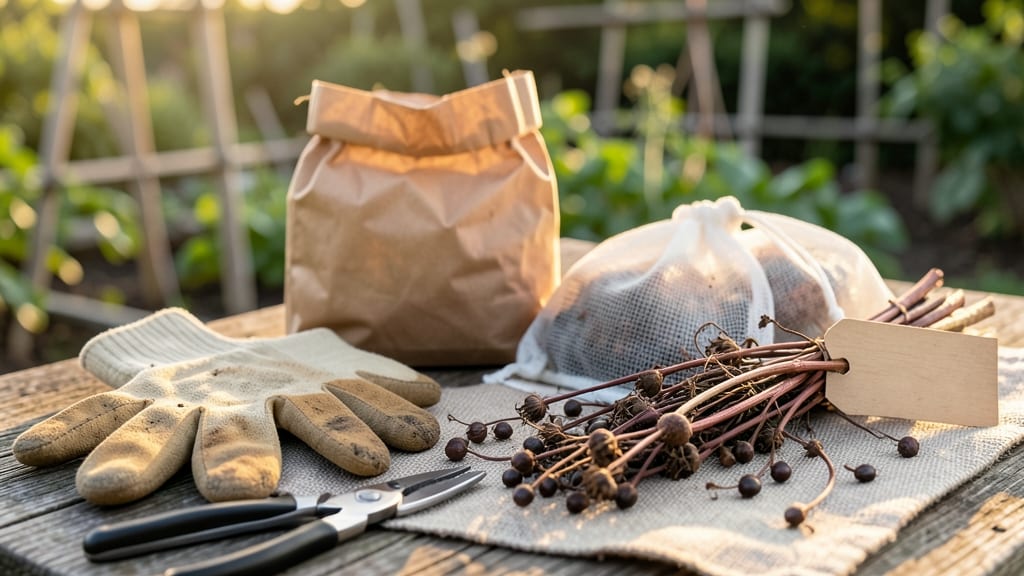
Harvesting beet seeds starts when your plants throw up those feathery tops—not when they’re still plump and red. 🌱 I’ve learned the hard way that waiting too long means shriveled seeds, but harvesting too early ruins your next crop.
The key is timing: those seed stalks need to fully mature before you can save anything worth growing again.
First, pick varieties bred for seed production like ‘Detroit Dark Red’ or ‘Chioggia’—they bolt reliably. Let the seed heads dry on the plant until they turn papery brown (usually 60-90 days after flowering), then snip them carefully.
Skip the store-bought beets—they’re bred for roots, not seeds, and won’t produce viable ones.
Once you’ve got the dried heads, strip off the seeds inside and let them cure for another week in a dry, dark place. Store them in envelopes where they’ll stay good for 3-4 years—though germination drops after year two.
The payoff? Fresh, homegrown beets that taste like childhood summers, not whatever’s in the grocery store.
Watch for bolting too early—heat or drought triggers it, and that means tiny, weak seeds. If your plants bolt before they’re ready, try next year with a longer season or shade cloth. Patience here separates the gardeners who grow beets from those who grow seed.
📚 In This Guide
- What you need
- Instructions
- Tips and common mistakes
- Wrapping up and next steps
What you need
- ● Mature beet plants – Choose healthy, disease-free plants (preferably heirloom or open-pollinated varieties for true seeds). Aim for at least 3-5 plants to ensure genetic diversity in your seeds.
- ● Sharp pruning shears or garden scissors – For cleanly cutting flower stalks without damaging the plant.
- ● Brown paper bags or breathable seed-saving envelopes – Enough to hold 1-2 stalks per bag (label each with the beet variety and date! 📝).
- ● Drying rack or screen – A mesh rack, wooden frame with mesh, or even a sturdy cardboard box with holes punched in it works for airflow.
- ○ Small fan or dehumidifier (optional but helpful) – Speeds up drying and prevents mold. Place it near your drying setup for consistent airflow.
- ● Fine-mesh strainer or sifter – For separating seeds from dried flower clusters once they’re ready.
- ● Permanent marker or labels – To mark varieties, harvest dates, and drying progress.
- ● Garden twine or rubber bands – To bundle flower stalks together for easier drying.
- ● Desiccant packets (silica gel) – Place a few in your seed storage container to absorb excess moisture.
- ● Seed storage containers (airtight) – Glass jars with tight-sealing lids or Mylar bags with oxygen absorbers for long-term viability.
- ● Hand lens or magnifying glass – Helps inspect seeds for quality before storage.
Step-by-step instructions for harvesting beet seeds
Here's how I ensure my homegrown beets produce seeds that germinate reliably year after year.
🌿 Step 1: Select and Prepare Beet Plants for Seed Production
Choose 2-4 healthy, disease-free beet plants from your garden—avoid hybrid varieties (look for "seed-saving" labels). These plants must mature fully, so plant them 8-10 weeks before your first frost date in a spot with full sun and well-draining soil. Thin seedlings to 12 inches apart to give roots room to develop.
Watch for bolting—when plants send up tall flower stalks. This happens naturally when days shorten in late summer. Once stalks reach 18-24 inches tall, let them flower fully. The flowers will turn into seed heads, but you’ll need to hand-pollinate for reliable seed production.
✂️ Step 2: Hand-Pollinate Flowers for Maximum Seed Yield
Beets are self-pollinating, but cross-pollination between varieties can happen. To ensure pure seeds, pollinate flowers manually. On a dry morning, use a soft paintbrush to transfer pollen from one flower to another within the same variety. Focus on 10-15 flowers per plant to guarantee seed development.
You’ll know pollination worked when flowers wilt and drop within 2-3 days, leaving behind small green seed pods. These pods will swell into round, spiky seed balls over 6-8 weeks. Harvest too early, and seeds won’t mature; wait too long, and they’ll shatter or attract pests.
🌱 Step 3: Harvest and Dry Seed Heads Properly
Harvest seed heads when they turn tan or brown and the outer husks begin to split open. Cut the stalks 2 inches below the seed ball with clean shears, leaving the roots attached to the plant. Hang them upside down in a dry, well-ventilated spot (like a garage or shed) for 2-3 weeks. This allows seeds to fully dry and detach from the husks.
Check daily—seeds are ready when they rattle inside the pod when shaken. Spread the dried seed heads on a clean tray and let them sit for another 3-5 days to finish drying. Remove any remaining husks by hand, then store seeds in a paper envelope in a cool, dark place for up to 3 years.
💧 Step 4: Clean and Store Seeds for Next Season
Once fully dry, separate seeds from debris by winnowing—pour them onto a flat surface and gently blow away chaff with a fan or your breath. Discard any discolored or shriveled seeds, as they won’t germinate. For extra purity, float seeds in lukewarm water—viable seeds sink, while empty ones float.
Label your envelope with the variety name and harvest date—seeds lose viability over time. Store in an airtight container in the fridge for best results. Next spring, you’ll have homegrown, heirloom-quality beet seeds ready to plant!
Tips & tricks for perfect beet seed harvesting
Timing is everything when saving beet seeds—here's how to avoid common pitfalls and maximize your harvest.
Growth Timeline: The 90-120 day growth period is non-negotiable for viable seeds. I've learned the hard way that impatient harvesting leads to weak germination. Mark your planting date and count forward—this ensures your seed stalks develop properly. If you're in a shorter growing season, start with early-maturing varieties that can complete their cycle before frost.
Seed Head Monitoring: Those 45-60 days from flowering to maturity require daily checks during the critical window. I keep a small notebook by my garden gate to track each plant's progress. Look for the telltale dry, papery texture and that distinctive rattle when shaken—this is your cue that seeds are ready. Harvesting too early means immature seeds; waiting too long means scattered seeds.
Drying Strategy: The 2-4 week drying period depends entirely on your climate. In humid areas, I move my drying bags indoors with a small fan circulating air. The goal is complete dryness—seeds should rattle like maracas and crumble between fingers. Store dried heads in a sealed container with a moisture absorber packet to prevent any lingering dampness from causing mold.
Storage Wisdom: That 40-50°F storage range is crucial for long-term viability. I keep my seed collection in the back of my fridge where it stays consistently cool and dark. Labeling with both the variety and harvest date helps track germination rates over time. Pro tip: Include a small root sample in your storage container—it's a great visual reminder of what you're preserving for next season!
Pro Tips for Harvest Beet Seeds
- Timing is everything when saving beet seeds—here's how to avoid common pitfalls and maximize your harvest.
- Growth Timeline: The 90-120 day growth period is non-negotiable for viable seeds.
- Seed Head Monitoring: Those 45-60 days from flowering to maturity require daily checks during the critical window.
Frequently asked questions
Got questions about harvesting beet seeds? You’re not alone—this process can be tricky for beginners! Below, we’ve rounded up the most common questions (and answers) to help you avoid pitfalls and maximize your seed yield.
When is the best time to harvest beet seeds?
Harvest beet seeds when the seed heads turn from green to tan or light brown and begin to split open. This usually happens 60–90 days after planting (depending on the variety). If you wait too long, the seeds may scatter or lose viability. Aim to collect them in the morning when humidity is low for easier drying.
Do I need to save beet seeds from store-bought beets?
No—store-bought beets are typically hybrids (bred for uniform size/shape) and won’t produce true-to-type seeds. For reliable germination, save seeds from heirloom or open-pollinated varieties, like Detroit Dark Red or Chioggia. Check seed packets for "seed-saving friendly" labels!
What if my beet flowers don’t produce seeds?
Missing seeds? Common culprits include:
- Pollination issues: Beets are self-pollinating, but wind or insects help. If flowers drop without seeds, hand-pollinate with a soft brush.
- Overcrowding: Thin plants to 12–18 inches apart for better air circulation and seed development.
- Disease/pests: Fungal issues (like leaf spot) or aphids can stress plants. Remove affected leaves and treat with neem oil if needed.
How do I store beet seeds for next year?
Clean and dry seeds completely (they should rattle in their pod). Store them in a cool (32–40°F), dark, and dry place (like a sealed jar in the fridge or freezer). Beet seeds stay viable for 3–5 years, though germination drops after year 2. Label with the harvest date!
Can I grow beets from seeds harvested in different climates?
Yes, but expect some variation—beets adapt to local conditions over generations. For consistent results, save seeds from plants grown in your specific climate/altitude. For example, seeds from high-altitude beets may struggle in tropical heat. If you’re experimenting, test a small batch first!
Wrapping up and next steps
Harvesting beet seeds is a rewarding process that connects you to the life cycle of your garden—from vibrant greens to tiny, promise-filled seeds! 🌱 By following the right timing (typically 90-120 days after planting), proper drying techniques, and storage tips, you’ll ensure high germination rates for next year’s crop.
Whether you’re a seasoned gardener or just starting, every seed you save is a step toward self-sufficiency and sustainability.
Now that you’re armed with the know-how, why not try it this season? Start small with a few plants, experiment with varieties, and share your success (or lessons learned) with fellow gardeners. Happy harvesting—and may your future beets thrive! 🌿