
How To
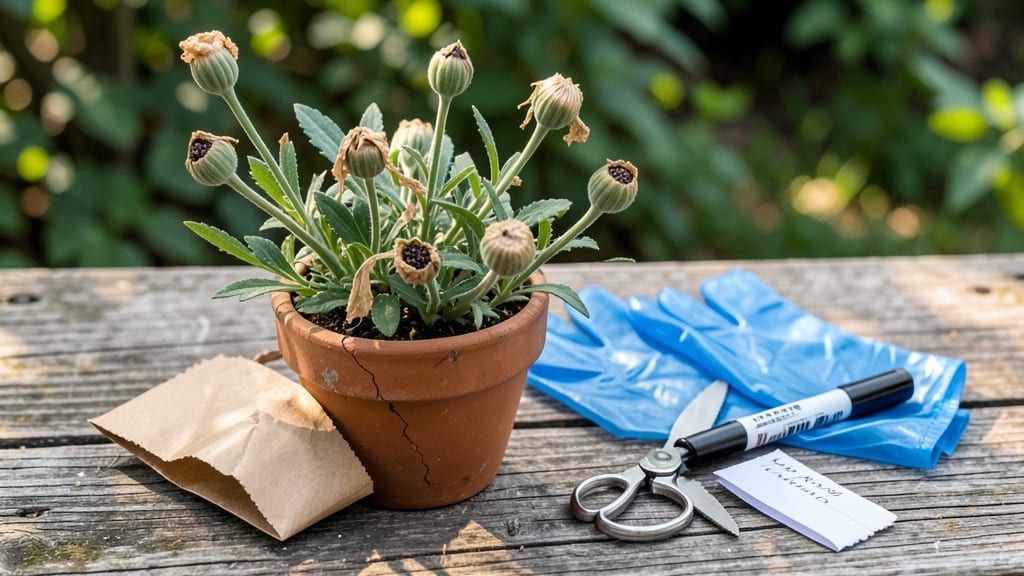
Harvesting carnation seeds 🌸 might seem tricky, but getting it right means you’ll save money and grow heirloom varieties year after year. The key lies in knowing exactly when those seed pods are ready—because timing makes all the difference between viable seeds and wasted effort.
Most gardeners overlook the subtle signs that signal perfect harvest time, like the shift from green to brown pods or the telltale rattle of seeds inside. If you miss this window, you’ll end up with seeds that won’t sprout—or worse, none at all.
Let me walk you through the exact steps to collect, dry, and store carnation seeds so you can grow your own plants next season.
From identifying mature pods to troubleshooting common issues like mold or premature drying, this guide covers everything you need. Whether you’re a beginner or a seasoned gardener, these tips will help you maximize your seed yield and avoid costly mistakes.
Ready to turn those beautiful carnation blooms into next year’s garden? Let’s dive into the simple yet effective methods that’ll have you harvesting like a pro in no time.


When to harvest carnation seeds: identifying the perfect pod maturity stage
Harvesting carnation seeds at the right time ensures high germination rates and healthy new plants. The key is watching for mature seed pods—those that have fully developed but haven’t yet split open. These pods typically appear 60-90 days after flowering, depending on your climate and variety.
If you harvest too early, the seeds won’t be viable; too late, and they’ll scatter on their own, wasting your effort.
Start by identifying seed pods on your carnations. They begin as small, green structures behind the wilted blooms. As they mature, these pods change color from green to brown or tan and become dry and papery.
This color shift is your first clue that the seeds inside are ready for collection. Pay close attention to the texture—mature pods should feel brittle and hollow when gently squeezed.
Another telltale sign is the sound of the seeds inside. Shake a mature pod over a piece of paper or your hand—you should hear a faint rattling noise, indicating that the seeds are loose and ready to harvest.
If the pod feels moist or squishy, it’s not yet ready. Waiting until the pods are fully dry ensures the seeds will store well and germinate properly when you’re ready to plant them.
Environmental factors like temperature and humidity also play a role in seed maturity. In dry, warm climates, pods may dry out faster, while humid or rainy conditions can delay the process.
If you’re in a region with high humidity, you might need to extend your drying time indoors to prevent mold or premature seed loss.
One common mistake is harvesting seeds from overripe pods that have already split open. By this stage, the seeds may have scattered or been eaten by birds or insects. To avoid this, monitor your plants closely and harvest pods just before they split naturally.
This usually happens in late summer or early fall, depending on when your carnations bloomed.
Timing is everything when it comes to carnation seed harvesting. The ideal window is when the pods are fully brown but still intact. If you miss this window, you might end up with empty pods or seeds that won’t germinate. Keep an eye on your plants and act quickly once the pods reach maturity to maximize your chances of a successful harvest.
🌸
🌱 Carnation Seed Pod Maturity Guide
| Stage | Pod Appearance | Texture | Sound | Action |
|---|---|---|---|---|
| Early | Green | Firm | None | Wait |
| Maturing | Brownish | Papery | Faint rattle | Harvest soon |
| Overripe | Split open | Brittle | Seeds scattered | Too late |
If you’re unsure whether your carnation pods are ready, perform a simple gentle squeeze test. Hold a pod between your fingers and press lightly. If it feels dry and crisp and the seeds inside rattle, it’s time to harvest.
If it’s still slightly flexible or moist, give it a few more days. This test is especially useful for beginners who may not be familiar with the subtle changes in pod texture.
Another helpful tip is to compare pods from different parts of the plant. Some carnations may mature faster than others, so focus on the pods that are the most brown and dry.
Harvesting a few pods at a time allows you to monitor their progress and adjust your timing as needed. This method also helps you avoid missing the optimal harvest window entirely.
Once you’ve identified the perfectly mature pods, act quickly to collect them. Leaving them on the plant for too long increases the risk of seed loss or damage from pests.
Use clean, sharp scissors or pruning shears to snip the pods from the stem, leaving a small portion attached to make handling easier. Place the pods in a paper bag or envelope to prevent moisture buildup and allow them to finish drying indoors.
🌾
Understanding the maturity stages of carnation seed pods is the first step to a successful harvest. By paying attention to color changes, texture, and sound, you can ensure that you collect seeds at the optimal time for high viability.
Whether you’re a seasoned gardener or a beginner, mastering this skill will give you the confidence to save seeds from your carnations year after year.
Step-by-Step process for collecting and drying carnation seeds
Once you’ve identified those perfectly mature carnation seed pods, the next step is careful collection to preserve seed viability. Start by gently snipping the pods with clean pruning shears or your fingers, avoiding any rough handling that could damage the delicate seeds inside.
Place the harvested pods in a paper bag or breathable mesh bag—this allows airflow while preventing moisture buildup. Store them in a dry, shaded location like a garage or shed, where temperatures stay between 60-75°F for optimal drying.
- Day 1-3: Spread pods on a paper towel in a single layer. Avoid direct sunlight to prevent overheating.
- Week 1: Check daily for dryness—pods should feel brittle and hollow when shaken.
- Week 2: If pods aren’t dry, transfer to a cool, dark closet with a dehumidifier if needed.
- Final Step: Once fully dry, crack open pods with your fingers to release seeds into a labeled envelope.
For gardeners short on time, oven-drying is an option—but proceed with caution. Set your oven to its lowest setting (140°F or less) and place pods on a baking sheet for 1-2 hours, checking frequently to avoid burning. Never exceed 160°F, as higher temps can kill seeds.
After drying, store seeds in paper envelopes labeled with the variety name and harvest date. Keep them in a cool, dark place, like a seed vault or refrigerator, where they’ll maintain viability for 2-3 years.
Watch for mold or pests during storage—discard any pods that develop fuzzy growth or chewed holes. If seeds smell musty, they’ve absorbed moisture and should be re-dried immediately.
With patience and care, you’ll end up with a treasure trove of carnation seeds ready to grow into next year’s blooms—just like the ones you harvested! 🌸