
Picking
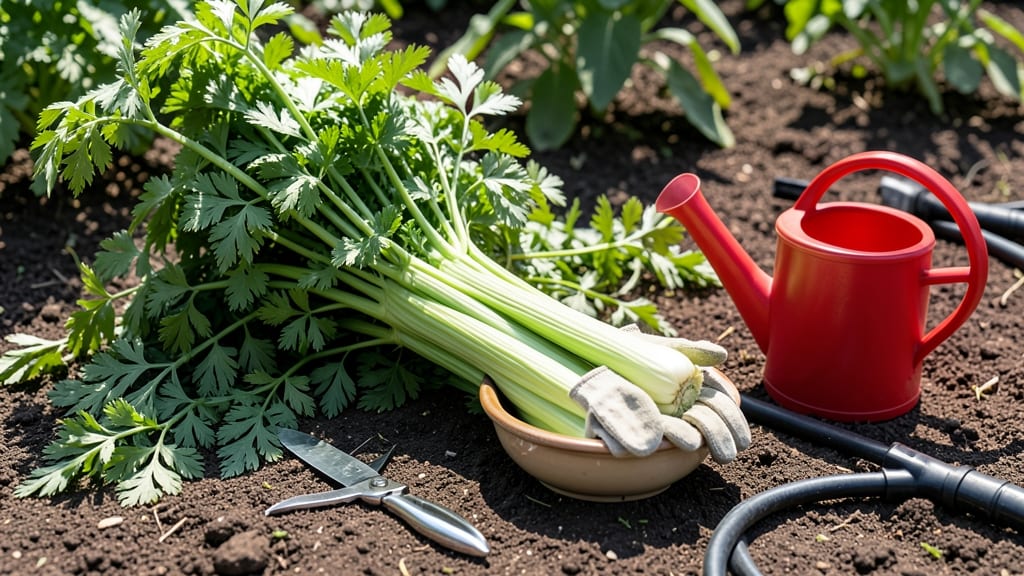
How to harvest celery so it keeps growing—it’s all in the cut. 🌱 I’ve learned the hard way—snipping too much or at the wrong time means no second harvest. The secret is patience and precision: wait until stalks reach 12-14 inches, then cut just above a leaf node with clean shears.
Post-harvest care makes all the difference. Keep soil moist but not soggy, and fertilize lightly with compost tea to replenish nutrients. Celery thrives in full sun (6+ hours daily) and rich, well-draining soil—think of it as a pampered diva that rewards attention with multiple harvests over 3-4 months.
Common mistakes? Cutting too close to the base or harvesting when plants are stressed by drought. I once lost a whole patch by ignoring these cues—now I check soil moisture daily and avoid overwatering. The payoff? Thicker regrowth and a steady supply of fresh stalks.
This method works for both home gardeners and container growers. Just ensure your plants have enough space (12 inches apart) and consistent care. With these tweaks, you’ll enjoy harvest after harvest—no grocery store celery in sight!
📚 In This Guide
- What you need
- Instructions
- Tips and common mistakes
- Wrapping up and next steps
What you need
- ● Sharp pruning shears or garden scissors – Choose clean, sterilized tools with stainless steel blades (avoid dull blades to prevent crushing stems).
- ● Ruler or measuring tape – For precision cuts (aim for 1–2 inches above a leaf node when harvesting).
- ● Watering can or hose with a gentle nozzle – To hydrate the plant thoroughly before and after cutting (use room-temperature water).
- ○ Compost or organic fertilizer – A balanced 10-10-10 or 5-5-5 formula to replenish nutrients post-harvest (optional but recommended).
- ○ Gloves (optional but handy) – To protect your hands from soil or sap (nitrile or cotton works well).
- ● Plant growth regulator (e.g., seaweed extract) – Spray lightly after cutting to reduce stress and encourage faster regrowth.
- ● Pruning sealant (like tree wound paint) – For large cuts to prevent disease entry (not always necessary for celery).
- ● Journal or notepad – To track harvest dates, regrowth speed, and plant health over time!
Step-by-Step instructions for harvesting celery while encouraging regrowth
Here's how to cut celery without killing the plant—using precise techniques that trigger bushier, more productive regrowth.
🌱 Step 1: Wait Until Stalks Reach Full Maturity
Harvest only when stalks are 12-14 inches tall with 6-8 mature leaves surrounding the base. Younger plants lack the energy reserves to regenerate properly, and over-mature stalks produce bitter regrowth. Run your thumb along the base of the stalk—you should feel a slight separation point where the stalk meets the crown.
I always harvest in the morning after dew has dried but before midday heat. The plant's moisture levels are optimal then, reducing stress during cutting. If you harvest in hot afternoon sun, the plant may wilt and struggle to recover. Look for stalks that stand straight and firm—any that bend or feel hollow at the core are past their prime.
✂️ Step 2: Use Sharp Tools and Cut at the Right Angle
Grab your pruning shears or sharp knife (never dull scissors—they crush stems). Make a clean, diagonal cut about ½ inch above the base crown, angling slightly upward. This prevents water from pooling on the cut surface, which can rot the plant. The cut should expose a small white stem section—this signals you've cut through the vascular tissue properly.
Never pull stalks—this tears roots and damages the crown's ability to regenerate. If you're harvesting multiple stalks, work your way around the plant in a spiral pattern. This ensures even sunlight exposure to all remaining stalks, preventing lopsided regrowth. After cutting, rinse the stalk under cool water to remove any soil residue before storing.
🌿 Step 3: Apply Immediate Post-Harvest Care
Within 24 hours of cutting, fertilize the plant with a balanced liquid fertilizer (10-10-10 ratio) diluted to half strength. This replenishes nutrients lost during harvest and kickstarts regrowth. Water deeply until the soil is saturated 6 inches down—check by inserting your finger; it should feel moist but not soggy. The goal is to revive the root system without causing waterlogging.
Remove any yellowed or damaged leaves at the base with clean shears. These leaves compete with new growth for energy and can harbor pests. After pruning, give the plant partial shade for 3-4 days to reduce transpiration stress. You'll notice new shoots emerging from the crown within 7-10 days—this is your signal the plant is recovering well.
☀️ Step 4: Monitor Light and Water for Optimal Regrowth
Celery regrowth needs full sun (6-8 hours daily) but may scorch in intense afternoon heat. If your climate has hotter than 85°F days, provide afternoon shade with a lightweight row cover or shade cloth. You'll see new stalks develop thicker and more upright when they receive consistent light. If growth slows, check the soil—it should stay evenly moist but never waterlogged.
I like to side-dress with compost tea every 2 weeks during regrowth to boost microbial activity in the soil. This helps the plant absorb nutrients more efficiently. Watch for new leaf pairs forming at the base—each pair indicates a new stalk developing. Once you see 3-4 new leaf pairs, the plant is ready for another harvest in 6-8 weeks.
Tips & tricks for perfect continuous celery harvesting
Took me years of trial and error to figure out how to keep celery producing without burning out the plant—here's what actually works.
Timing is Everything: The 12-inch height requirement in Step 1 isn't arbitrary—it's when the plant has stored enough energy in its roots to regenerate. I've learned that checking for those 3-4 inches of new shoots at the base is the real secret. If you don't see this growth, the plant is still recovering from previous harvests and needs more time. Think of it like a savings account: the plant needs reserves before you can make withdrawals.
Cutting Precision Matters: That 45-degree angle in Step 2 isn't just for looks—it's a water management system. The angled cut creates a natural drainage channel that prevents water from pooling on the stem, which would otherwise rot the plant. I use a serrated knife for clean cuts, and always make sure to leave that 1-inch stump above a growth node. This tiny detail makes all the difference between regrowth and failure.
Light Management Strategy: The 6-8 hours of full sun requirement in Step 3 is non-negotiable for regrowth. Here's what I do: if my celery was previously in partial shade, I gradually increase sunlight exposure over 3-4 days to avoid shocking the plant. In hot climates, I use shade cloth during peak afternoon hours (2-5 PM) to prevent bolting—the plant's emergency flower response when stressed by heat. This simple adjustment has saved multiple harvests.
Fertilizer Timing Secret: Applying that balanced 10-10-10 fertilizer within 3-5 days creates a perfect window for nutrient uptake. I've found that waiting longer than 5 days means the plant has already started diverting energy to leaf production rather than stalk growth. For organic options, I use compost tea at half strength—it's gentler but just as effective. The key is consistency: I fertilize every 4-6 weeks during the growing season, matching my harvest schedule.
Pro Tips for Harvest Celery So It Keeps Growing
- Took me years of trial and error to figure out how to keep celery producing without burning out the plant—here's what actually works.
- Timing is Everything: The 12-inch height requirement in Step 1 isn't arbitrary—it's when the plant has stored enough energy in its roots to regenerate.
- Cutting Precision Matters: That 45-degree angle in Step 2 isn't just for looks—it's a water management system.
Frequently asked questions
Got questions?
Here are answers to the most common ones about harvesting celery while keeping it thriving—so you can enjoy fresh stalks again and again!
How often can I harvest celery for regrowth?
Celery can regrow 2-3 times per season if harvested correctly. Space cuts 4-6 weeks apart—just avoid overharvesting in the same spot. Young regrowth is tender and sweeter, but older plants may yield fewer stalks. Stop harvesting 6-8 weeks before frost to let energy store for next year.
What’s the best time of day to harvest celery?
Harvest in the early morning when moisture levels are high and temperatures are cool. This keeps stalks crisp and reduces stress on the plant. Avoid harvesting after rain—muddy soil can spread disease. If you must harvest later, trim in the shade to prevent wilting.
Can I harvest celery leaves too, or should I leave them?
Harvest leaves anytime
—they’re packed with flavor and nutrients. Snip outer leaves as needed (they regrow quickly), but leave the inner heart leaves to protect the plant. Use leaves in soups, pestos, or as a garnish. Just avoid stripping all leaves at once, or you’ll stress the plant.
Why isn’t my celery regrowing after cutting?
Regrowth fails for a few common reasons:
- Insufficient sunlight: Celery needs 6+ hours of sun daily—move it to a sunnier spot if growth stalls.
- Overcrowding: Thin plants to 12 inches apart to reduce competition for nutrients.
- Underwatering: Keep soil consistently moist (1 inch of water weekly). Drought stress halts regrowth.
- Pests/disease: Check for aphids or fungal spots. Treat with neem oil or row covers if needed.
Can I grow celery indoors after harvesting?
Yes, but with limitations! Place the cut base in 3 inches of water (like a bouquet) in a sunny window. Regrowth is slower indoors (2-3 weeks vs. outdoor’s 4-6 weeks). For long-term success, transplant to a pot with well-draining soil and keep it in bright, indirect light. Expect smaller yields than outdoor plants.
Wrapping up and next steps
Harvesting celery the right way doesn’t just give you fresh, crisp stalks—it ensures your plant keeps thriving for future harvests!
By using sharp tools, cutting strategically, and providing proper care, you’re setting yourself up for a long-term, low-stress celery patch. 🌱 Whether you’re a seasoned gardener or a curious beginner, these techniques make regrowth a breeze.
Now that you’re armed with the know-how, why not take the next step? Experiment with different varieties, try growing celery in containers, or even share your harvest with neighbors. Happy gardening—and enjoy that crunchy, homegrown success! 🎉