
How To
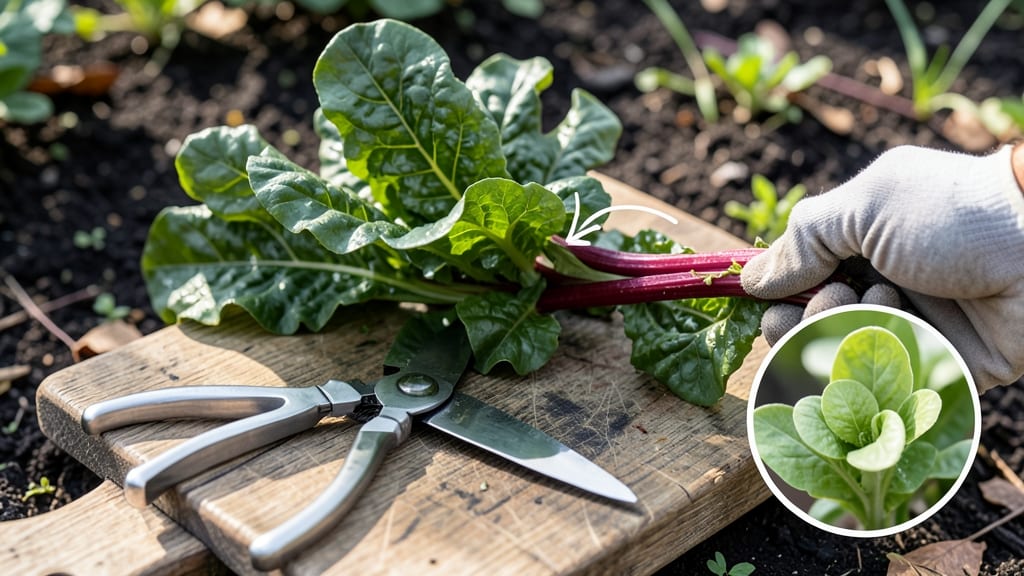
Step-by-step guide to harvesting chard using the cut-and-come-again method
Harvesting Swiss chard correctly is the key to nonstop growth and a steady supply of fresh leaves. The cut-and-come-again method lets you pick leaves repeatedly without harming the plant. This approach focuses on harvesting outer leaves first, leaving the inner growth intact to regenerate.
Timing matters too. Start harvesting when your chard reaches 6-8 inches in length, typically 50-60 days after planting. This ensures the plant has enough energy to bounce back after each cut. I always harvest in the morning when leaves are crisp and hydrated.
Before you begin, gather these essential tools: sharp scissors or pruning shears, a clean cutting board, and a bowl for your harvest. A clean workspace prevents contamination and keeps your chard healthy for future regrowth.
Now, let’s dive into the step-by-step process. The goal is to encourage regrowth while maintaining plant health.
How to Harvest Chard for Continuous Growth
-
Step 1: Identify the right leaves
Select the largest, outermost leaves first. These are fully mature and ready for harvest. Avoid cutting leaves closer to the center, as they’re still growing.
-
Step 2: Use sharp tools
Grab your clean scissors or pruners and make a cut just above the base of the leaf stem. This leaves a small stub that heals quickly and encourages new growth.
-
Step 3: Cut at the right angle
Angle your cut 45 degrees to increase the surface area for faster regrowth. This technique helps the plant recover more efficiently after harvesting.
-
Step 4: Leave 2-3 inner leaves
Never remove more than one-third of the plant at a time. Always leave 2-3 inner leaves to continue photosynthesizing and fueling regrowth.
-
Step 5: Harvest regularly
Pick leaves every 1-2 weeks during the growing season. Consistency is key—this prevents the plant from becoming overcrowded or stressed.
-
Step 6: Post-harvest care
After harvesting, water deeply to replenish moisture lost during the process. Add a light mulch around the base to retain soil moisture and protect roots.
One common mistake is harvesting too aggressively. If you remove too many leaves at once, the plant may struggle to recover. I’ve learned this the hard way—over-harvesting can lead to stunted growth or even plant death. Always prioritize balance!
Another pro tip: Rotate your harvests around the plant. This ensures even regrowth and prevents one side from becoming overworked. Think of it like pruning a bush—you want uniform growth all around.
For year-round harvests, extend your growing season with row covers or cold frames. Chard is cold-hardy and can tolerate light frosts, making it a great choice for early spring or late fall harvests.
Finally, keep an eye out for bolting—when chard sends up flower stalks. If this happens, harvest the remaining leaves immediately and remove the flower stalks to redirect the plant’s energy back into leaf production.
Critical mistakes that stop chard from regrowing after harvesting
Even with the perfect cut-and-come-again technique, your chard might refuse to regrow if you make these common mistakes. I’ve seen gardeners accidentally stunt their plants by over-harvesting or neglecting post-harvest care. Let’s fix that before it’s too late!
First, cutting too close to the stem is a silent killer. When you snip leaves right at the base, you damage the plant’s growth point and leave it vulnerable to rot. Always leave at least 1-2 inches of stem attached to the plant.
The timing of harvest matters just as much as how you cut. Harvesting when leaves are still small or after a heatwave stresses the plant. Wait until leaves reach 6-8 inches and are deep green before picking.
- Over-harvesting: Never take more than 1/3 of the plant at once.
- Ignoring soil health: Poor soil = stunted regrowth. Test and amend before planting.
- Skipping water after harvest: Plants need consistent moisture to recover.
- Using dull tools: Ragged cuts invite disease. Always use sharp scissors.
Another big mistake? Neglecting soil nutrients after harvest. Chard is a heavy feeder, and if you don’t replenish nutrients, the plant will struggle to bounce back. A light organic fertilizer or compost tea after harvesting gives it the boost it needs.
Finally, harvesting in extreme weather can shock the plant. Avoid picking during midday heat or after a hard frost. Stick to cool mornings for the best results and minimal stress on your chard.
By avoiding these pitfalls, your chard will reward you with continuous harvests all season long. Pay attention to these details, and you’ll enjoy fresh, homegrown greens for months!