
How To
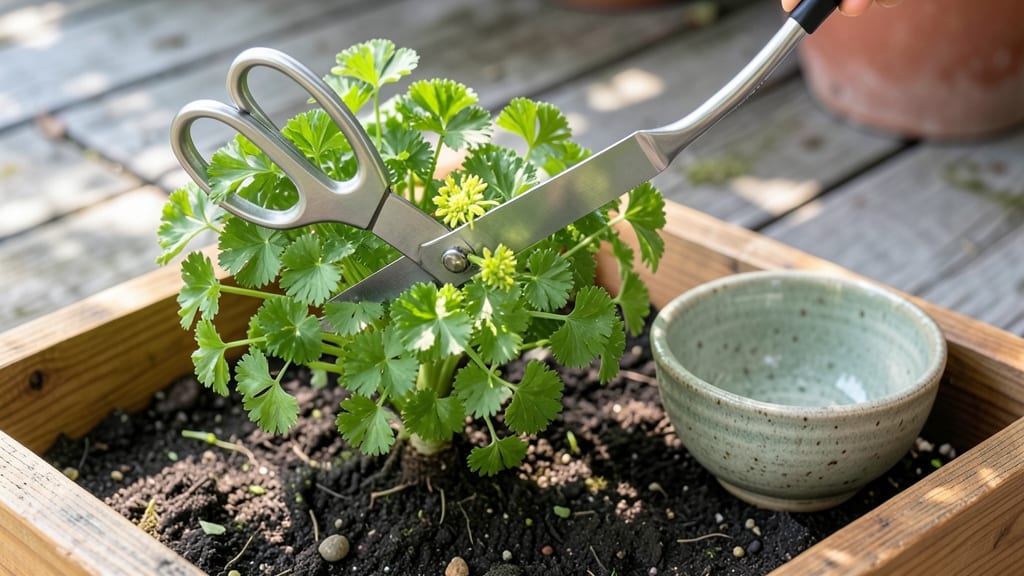
If you've ever wondered how to harvest curly parsley without sacrificing your plant's health or flavor, you're in the right place. This vibrant 🌿 herb isn't just for garnishing—it's a flavor powerhouse that rewards careful harvesting with bold, fresh taste and lush regrowth.
The key to perfect harvesting lies in timing and technique. Snip leaves when they're 6-8 inches tall and fully curled, but never take more than a third of the plant at once. This approach ensures your parsley keeps producing while staying pest-free and delicious all season long.
Whether you planted in spring or fall, understanding seasonal cues makes all the difference. Learn when to harvest for maximum yield, how to spot over-maturity, and simple storage tricks to keep your parsley fresh longer than you thought possible.
Let's dive into the exact methods that'll have your parsley thriving—so you can enjoy homegrown flavor without the guesswork. Your kitchen (and taste buds) will thank you!


When and how to harvest curly parsley for maximum flavor
Harvesting curly parsley at the right time ensures bold flavor and encourages vigorous regrowth. The key is patience—waiting until leaves reach 6-8 inches tall guarantees peak flavor, while harvesting too early or too late can turn your parsley bitter or woody.
I’ve learned that seasonal timing matters just as much as leaf size, with spring and fall harvests yielding the freshest stems.
For leaf-by-leaf harvesting, pluck outer leaves just above a leaf node to stimulate new growth. This method works well for continuous harvests throughout the growing season.
If you prefer a cut-and-come-again approach, trim stems 2-3 inches above the base—but never remove more than ⅓ of the plant at once to avoid stressing the roots.
Timing your harvest is crucial. In spring-planted parsley, aim for May through October, while fall-planted varieties thrive until October or November. Avoid harvesting during extreme heat or frost, as both conditions can damage the plant and reduce flavor quality.
I’ve found that morning harvests yield the freshest leaves, as evening dew can make stems soggy.
Over-mature parsley loses its delicate flavor and becomes woody or bitter. Watch for yellowing leaves, stems that feel hollow, or leaves that uncurl—these are clear signs it’s past its prime. If you notice pests like aphids clustering on older leaves, harvest those immediately to prevent spread. Regular harvesting also deters pests by keeping the plant healthy and lush.
Here’s a quick reference to help you identify the perfect harvest window:
| Stage | Leaf Size | Stem Condition | Flavor Quality | Action |
|---|---|---|---|---|
| Early Growth | 1-3 inches | Soft, flexible | Mild, underdeveloped | Avoid harvesting |
| Ideal Harvest | 6-8 inches | Firm, crisp | Bold, aromatic | Harvest outer leaves or trim stems |
| Over-Mature | 10+ inches | Woody, hollow | Bitter, tough | Remove entire plant or prune heavily |
Seasonal cues are your best guide. In spring, parsley grows rapidly, so I harvest every 2-3 weeks to keep the plant productive. During summer’s heat, growth slows, so I focus on light harvesting to avoid stress.
In fall, I push for one last harvest before first frost—typically by mid-October in most climates.
One mistake I see gardeners make is harvesting too aggressively in early spring. Young parsley is delicate, and over-pruning can stunt growth. Instead, I recommend snipping just a few leaves until the plant establishes a strong root system.
Similarly, avoid harvesting during drought—stressed plants produce smaller, less flavorful leaves.
For maximum yield, pair your harvesting with proper post-harvest care. Rinse leaves in cool water to remove dirt, then pat dry with a paper towel to prevent wilting.
Store harvested parsley in a sealed container in the fridge for up to 10 days, or freeze in ice cube trays for long-term use. I’ve found that drying parsley in small bunches also preserves its flavor beautifully.
By mastering these harvesting techniques, you’ll enjoy flavorful, pest-free parsley all season long—no bitter surprises here! 🌿
When and how to harvest curly parsley for maximum flavor
Curly parsley reaches its peak flavor when harvested at the right time—typically 60-90 days after planting. The key is patience: harvesting too early yields bitter, underdeveloped leaves, while waiting too long turns stems woody and attracts pests. Aim for 6-8 inch leaves with vibrant green color and fully curled fronds. These are your cues for the perfect harvest window.
Timing matters just as much as technique. For spring-planted parsley, harvest from May through October, while fall plantings yield best from October to November. Always harvest on dry mornings to prevent fungal issues. Avoid harvesting after rain or when leaves are damp—this invites rot and stress.
Here’s how to identify ready-to-harvest parsley vs. over-mature plants:
| Stage | Leaf Characteristics | Stem Condition | Harvest Action |
|---|---|---|---|
| Not Ready | Small, sparse, pale leaves | Soft or mushy stems | Wait 2-4 weeks |
| Ready | 6-8" tall, dark green, fully curled | Firm, flexible stems | Harvest outer leaves |
| Over-Mature | Woody, yellowing, or bitter leaves | Hard, brittle stems | Prune aggressively or compost |
For continuous harvests, use the leaf-by-leaf method: pinch off individual outer stems just above a leaf node. This encourages bushier growth and prevents the plant from becoming leggy. Avoid cutting more than ⅓ of the plant at once—this stresses parsley and invites pests like aphids.
Seasonal timing also affects flavor. Harvest in cool mornings (6-9 AM) for the most potent oils. If you’re growing parsley in hot climates, harvest in late afternoon shade to preserve moisture and prevent bolting.
Always use clean, sharp scissors to avoid tearing leaves, which bruises the plant and attracts disease.
One common mistake is harvesting parsley after frost. While parsley is cold-hardy, frost damages leaves, turning them mushy and unpalatable. If frost is forecast, harvest all remaining leaves before the first freeze. Store them in the fridge for up to 2 weeks or freeze for later use.
Pro tip: Tag your parsley plants with the planting date to track harvest windows. This ensures you never miss the prime 60-75 day window for peak flavor. With the right timing, your parsley will stay sweet, vibrant, and pest-free all season.