
How To
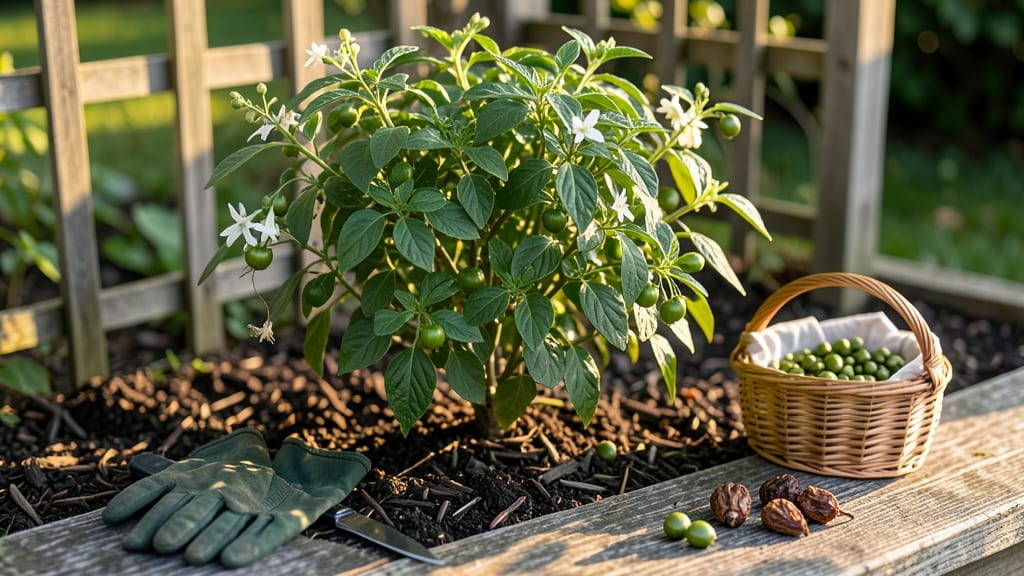
Harvesting peppercorns at the perfect moment transforms your kitchen spices from ordinary to extraordinary—because timing is everything when it comes to unlocking that deep, complex flavor. 🌶️ Whether you're growing pepper vines in your backyard or a container on your balcony, knowing when and how to pick these tiny powerhouses makes all the difference.
The secret lies in watching for those telltale signs: berries that shift from bright green to a rich, deep hue (almost black), feel firm to the touch, and twist off effortlessly.
But here's the catch—harvest too early, and you'll miss out on that bold, aromatic punch; wait too long, and the flavor fades. I'll walk you through the exact cues to spot and the 3-step method for harvesting without damaging your plant.
Once you've mastered the pick, the real magic happens in drying and storing. A quick misstep here can ruin months of work, but don't worry—I've got you covered with foolproof techniques to preserve those peppercorns for up to 2 years while keeping their punch intact.
Let's dive into the details so you can turn your harvest into a year-round flavor boost.
From recognizing peak ripeness to handling the berries like a pro, this guide will ensure you're not just harvesting peppercorns—you're capturing their full potential. Ready to elevate your spice game? Let's get started.


When to harvest peppercorns for optimal flavor and pungency
Timing your peppercorn harvest is everything—pick too early, and you’ll sacrifice flavor; wait too long, and the berries may shrivel or fall off the vine.
The ideal harvest window for peak pungency falls between 120 and 150 days after planting, typically in late fall (October-November) in temperate climates like USDA Zone 6a. This aligns with the plant’s natural cycle when berries reach their deepest color and firmest texture.
Peppercorns come in three primary varieties—green, black, and white—each harvested at different stages. Green peppercorns are picked while still unripe (green and firm), whereas black peppercorns are left to fully ripen (dark green to black) before harvest. White peppercorns are actually black peppercorns that have been soaked and fermented post-harvest, but we’ll focus on fresh harvests here.
To determine readiness, focus on three key visual cues: color, texture, and scent. Ripe berries should be deep green to black, feel thick-skinned and firm when gently squeezed, and emit a subtle, earthy aroma.
If a berry twists off easily when you apply gentle pressure, it’s ready to pick. Ignore these signs, and you risk harvesting underripe (mild, grassy flavor) or overripe (bitter, shriveled berries) peppercorns.
🌱 Did You Know? Black peppercorns are simply green peppercorns that have been sun-dried until they turn black and wrinkled. The drying process deepens their heat and complexity, making them the most popular variety worldwide.
| Peppercorn Type | Color | Texture | Best Harvest Time | Flavor Profile |
|---|---|---|---|---|
| Green | Bright green | Firm, thin skin | Late summer (unripe) | Mild, floral, slightly sweet |
| Black | Dark green to black | Thick, leathery | Late fall (fully ripe) | Bold, spicy, complex |
| White (post-harvest) | White (processed) | Soft, powdery | After black drying | Milder, earthy, less heat |
Environmental factors like temperature and humidity also influence harvest timing. In cooler climates, peppercorns may ripen slower, so monitor them weekly starting at day 120. Conversely, in warmer regions, berries can mature faster—check for readiness as early as day 110.
A frost warning is your last call to harvest; peppercorns won’t survive freezing temperatures, and the plant may die back.
Pro tip: Harvest on a dry, sunny morning to ensure berries are at their freshest. Avoid harvesting after rain, as moisture can accelerate spoilage during drying.
If you’re unsure whether a berry is ready, cut it open—ripe peppercorns inside should be firm and fully developed, not hollow or underdeveloped.
One common mistake is harvesting only the most visible berries. Peppercorns grow in clusters, so gently shake the vine to spot hidden ripe berries. Focus on lower branches first, as these often ripen earlier than those higher up. This strategic approach maximizes yield without overstressing the plant.
For first-time growers, mark your calendar 140 days post-planting as your target harvest date. Adjust by ±10 days based on your local climate.
If your pepper vine is healthy and vigorous, it can produce harvests for years, so proper timing now ensures a bountiful spice supply for seasons to come.
Ready to harvest? Grab a small basket or tray and head to the vine—we’ll cover the step-by-step harvesting process next to ensure you pick peppercorns without damaging your plant. 🌿
Step-by-step guide to harvesting peppercorns without damaging the plant
Harvesting peppercorns requires patience and precision—one wrong move can harm your peppercorn vine while reducing next year’s yield. The key is to hand-pick berries at the right stage and use gentle techniques to avoid stressing the plant.
Start by identifying ripe berries, which should be deep green to black and firm to the touch.
Before you begin, gather your tools: a pair of sharp pruning shears, a small bowl or basket, and a notebook to track harvest dates. Work on a dry, sunny morning when the berries are firm and less likely to bruise.
Avoid harvesting after rain, as wet berries are more prone to damage and disease.
🌿 Step-by-Step Peppercorn Harvesting Guide
- Step 1: Gently twist each ripe berry until it separates from the vine. Avoid pulling or yanking, which can damage the stem.
- Step 2: Place harvested berries in a paper-lined basket to prevent bruising. Discard any berries that are soft, discolored, or damaged.
- Step 3: Prune overgrown vines after harvesting to encourage bushier growth. Remove no more than 30% of the plant to avoid shocking it.
- Step 4: Label your harvest with the date and variety for tracking maturity. Store berries in a cool, dry place for 1-2 days before drying.
- Step 5: Repeat the process every 2-3 weeks during peak harvest season (late summer to fall) to maximize yield.
Never harvest more than half the berries at once, as this can weaken the vine and reduce future production. If you’re growing multiple vines, prioritize the healthiest plants first. For large-scale harvests, consider using a small handheld vine comb to gently brush berries into a container without direct handling.
After harvesting, inspect your peppercorn vine for signs of stress, such as yellowing leaves or wilting. If you notice pests or disease, treat immediately with neem oil or an organic fungicide. Proper post-harvest care ensures your vine stays healthy for next season’s harvest.
One common mistake is harvesting unripe berries for a milder flavor. While green peppercorns are edible, they lack the bold, pungent taste of fully mature berries. Always wait until berries are deep green to black before picking.
If you’re unsure, cut open a berry—ripe ones will have a thick, leathery skin and firm interior.
For a sustainable harvest, rotate which branches you pick from each time. This encourages even growth and prevents overcrowding. With the right techniques, your peppercorn vine can produce harvests for decades, making it a rewarding perennial addition to your garden. 🌱