
How To
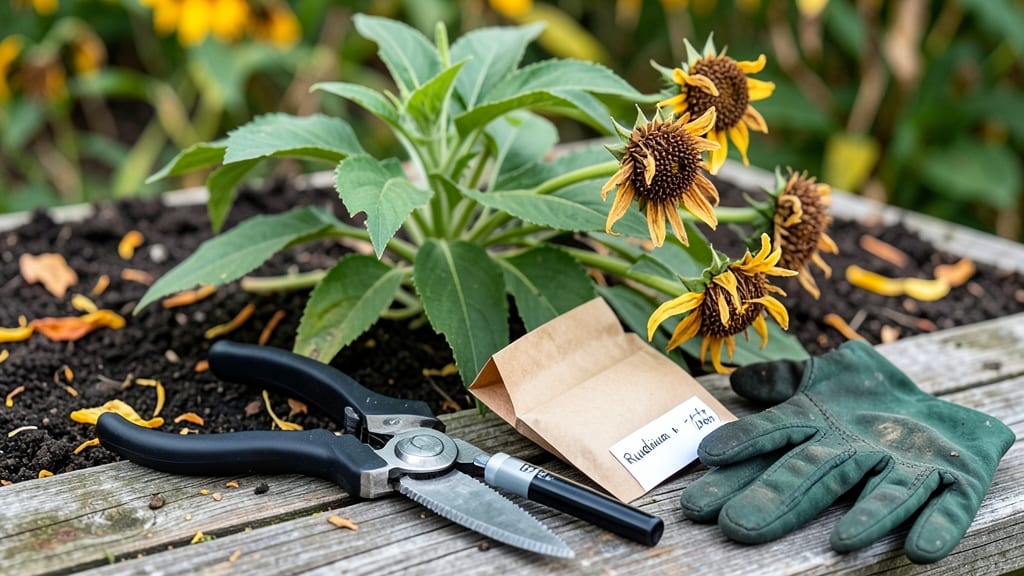
When and how to identify rudbeckia seeds ready for harvesting
Timing is everything when learning how to harvest rudbeckia seeds. The key window opens in late summer to early fall, typically between September and October in most USDA zones.
This aligns with rudbeckia's natural seed maturation cycle, ensuring you capture seeds at peak viability. Watch for dry, brown seed heads that signal readiness—these are your harvest cues.
Start by examining the flower heads for visual maturity signs. Look for completely fallen petals exposing the dry, papery seed head beneath. The seed head should turn a uniform brown color, unlike the earlier green or yellow stages.
This color shift indicates the seeds inside are fully developed and ready for collection.
Another telltale sign is the sound test: give the dried seed head a gentle shake. If you hear seeds rattling inside, that’s your green light to harvest.
This acoustic maturity check works because fully dried seeds separate from the chaff, creating that distinctive sound. Skip heads that feel moist or damp—they’re not ready yet.
Environmental conditions play a crucial role in timing. In humid climates, seed heads may dry slower, so monitor them closely. Conversely, dry climates can accelerate the process.
Aim to harvest before the first frost, as freezing temperatures can damage seeds. If frost threatens, collect seeds early and finish drying indoors.
Pro tip: Label your plants early in the season if you’re growing multiple rudbeckia varieties. This prevents mix-ups when harvest time arrives. Use small plant markers with the variety name—it’s a simple step that saves confusion later.
For example, 'Rudbeckia Goldsturm' vs. 'Rudbeckia Herbstonne' look similar until seeds mature.
🌼
| Maturity Sign | What to Look For | Action |
|---|---|---|
| Petal Fall | All petals have dropped, exposing brown center | Mark for harvest in 3-5 days |
| Color Change | Seed head turns uniform brown (not green/yellow) | Check for dryness daily |
| Texture Test | Head feels dry and papery to touch | Harvest immediately |
| Sound Test | Seeds rattle when shaken | Collect within 24 hours |
| Frost Warning | First frost predicted within 7 days | Harvest early, dry indoors |
Harvesting too early is a common mistake that reduces seed viability. If you pick seeds when the heads are still green or slightly damp, the seeds won’t be fully developed.
This leads to low germination rates or seeds that fail to sprout altogether. Always wait until the seed head is completely dry and brown before harvesting.
For maximum seed yield, focus on harvesting from the healthiest, most vigorous plants in your garden. These plants typically produce the most robust seeds.
Avoid harvesting from flowers that were damaged by pests, disease, or harsh weather—these seeds may not grow true or could carry issues to next year’s plants.
In humid regions, consider harvesting in the morning when dew has evaporated. This reduces moisture on the seed heads, speeding up the drying process. If your climate is particularly damp, you may need to finish drying seeds indoors using a dehydrator or paper bags with ventilation holes.
🌾
When and how to identify rudbeckia seeds ready for harvesting
Timing is everything when learning how to harvest rudbeckia seeds. The ideal harvest window falls between late September and October, just before the first frost. This ensures seeds mature fully but don’t rot from prolonged moisture. In humid climates, watch for mold—harvest earlier if heads stay damp.
Start by scanning your rudbeckia plants for dried flower heads. Look for brown, papery seed heads where petals have completely fallen away. These heads should feel light and dry to the touch, almost hollow when gently squeezed.
Here’s how to check maturity: Shake a seed head over a piece of paper. If small black seeds rattle out easily, they’re ready. If heads are still green or seeds stick together, wait 1-2 weeks—overripe seeds lose viability.
| Stage | Signs | Action |
|---|---|---|
| Early Bloom | Bright petals, green centers | Wait 3-4 months |
| Petal Drop | Petals fall, brown center exposed | Monitor for dryness |
| Seed Maturity | Brown, papery, seeds rattle | Harvest immediately |
Morning harvests work best—dry seeds in sunny, breezy conditions for 2-3 days. Avoid harvesting after rain, as moisture speeds up seed spoilage. For humid regions, use a fan to dry seeds indoors at 70°F (21°C) with good airflow.
Pro tip: Label varieties immediately with plant markers. Rudbeckia hybrids like ‘Goldsturm’ or ‘Cherokee Sunset’ produce distinct seeds. Mixing varieties can lead to unexpected colors next season!
Once heads are fully dry, store them in paper bags (not plastic) to prevent mold. Keep bags in a cool, dark place like a seed drawer or pantry until ready to process.