
Companion Plants
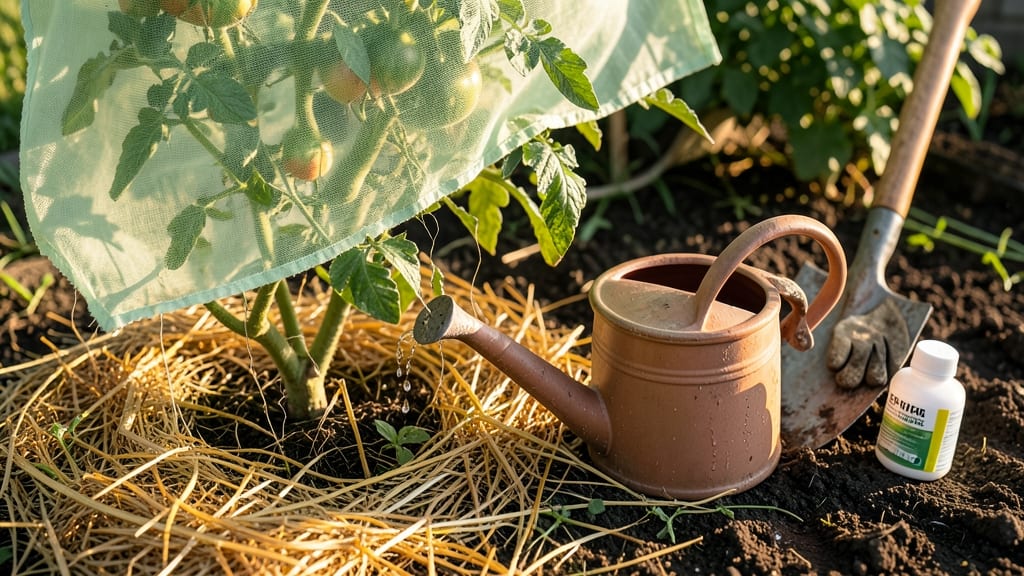
Your plants are screaming for help—those crispy white patches aren’t just ugly, they’re how to heal the sunburned 🌿. I’ve nursed back more scorched leaves than I’d like to admit, and the cool mist method works faster than you’d think, even for stubborn succulents and tomato plants.
The first step is triage: move plants to shade immediately and stop watering until the soil’s dry. Prune damaged leaves with clean scissors, then give everything a gentle misting (not soaking) every few hours to cool them down. Think of it like aloe vera for plants—hydration without stress.
Within 3-5 days, you’ll see new growth pushing through, and the worst damage will fade to a healthy green. Tomatoes bounce back fastest, while succulents might need extra patience. The key? Consistency—keep the air humid and the roots happy.
Prevention is easier: start with dappled shade for new transplants, avoid midday sun, and watch for leaf curl—it’s their first warning sign. Once you’ve mastered the rescue, your plants will thank you with lush, sun-kissed (not sun-fried) foliage all season.
📚 In This Guide
- What you need
- Instructions
- Tips and common mistakes
- Wrapping up and next steps
What you need
- ● Misting bottle or spray nozzle – At least 16 oz (473 mL) capacity for gentle hydration.
- ● Room-temperature water – Filtered or rainwater preferred (avoid chlorine/harsh chemicals).
- ● Lightweight shade cloth or sheer fabric – Enough to cover affected plants (e.g., 50% shade cloth for medium-sized pots).
- ● Pruning shears or scissors – Sterilized, sharp tools for trimming severely damaged leaves.
- ● Organic mulch (e.g., straw or coconut coir) – 1–2 inches thick to retain moisture and protect roots.
- ● Plant-specific fertilizer (low-nitrogen) – Diluted seaweed or compost tea to boost recovery.
- ● Humidifier or pebble tray – For indoor plants needing extra moisture.
- ● Antitranspirant spray (e.g., Wilt-Pruf) – Creates a protective film on leaves to reduce stress.
- ● Grow lights (LED, full-spectrum) – For gradual reintroduction to light if plants are sensitive.
Step-by-Step instructions for reviving sun-stressed plants
Here's my go-to method for bringing back plants that've been fried by too much sun.
💧 Step 1: Identify and Isolate the Damage
First, examine the affected leaves for crispy white or brown patches—these are classic sunburn signs. Gently touch the damaged areas; they'll feel dry and papery compared to healthy tissue. Isolate the plant immediately if possible, as stressed plants are more vulnerable to pests and disease. I like to move them to a shaded spot under a tree or under a sheer curtain to prevent further damage while we work.
Don't panic if the damage looks severe. Many plants can recover if we act quickly. The key is to stop the sun exposure first—even a few hours of direct light can worsen the burn. If the plant is in a container, move it to a spot where it gets morning sun only, or none at all for a few days. For in-ground plants, create temporary shade with a light fabric or even a piece of cardboard propped up to cast a shadow.
🌿 Step 2: Apply a Cool Water Mist Treatment
Fill a spray bottle with room-temperature water and give the plant a thorough misting, focusing on the undersides of leaves where most transpiration occurs. The goal is to cool the plant down gradually—don't drench it, as sudden water shocks can stress the plant further. I mist until the leaves look slightly damp but not dripping. This helps lower the leaf temperature and prevents further cellular damage.
For severely burned plants, I repeat this misting every 2-3 hours for the first day. The cool water also helps flush out any accumulated salt or mineral buildup that can worsen sun damage. If the plant is in a pot, place it in a shallow tray of water for 10-15 minutes to allow the roots to absorb moisture from the bottom up. This ensures hydration without overwhelming the plant's damaged foliage.
✂️ Step 3: Prune Damaged Foliage Strategically
Using clean, sharp pruning shears, trim away any leaves that are completely white, brown, or crispy. Cut just above the next set of healthy leaf nodes to encourage new growth. I avoid cutting into green tissue—even if it's discolored, it may still recover. The goal is to remove only what's clearly dead while preserving as much living tissue as possible.
Dispose of the pruned leaves immediately to prevent fungal spores from spreading. For small plants, you can also trim back the most damaged stems by about one-third to reduce the plant's overall stress load. This might seem drastic, but it helps the plant redirect its energy toward recovering the remaining healthy parts. After pruning, give the plant another light mist to help it recover from the shock of trimming.
☀️ Step 4: Adjust Light Exposure Gradually
Over the next few days, slowly reintroduce the plant to its normal light conditions. Start by moving it to a spot with 2-3 hours of indirect light per day, then gradually increase exposure by 1 hour daily. This gradual acclimation prevents the plant from experiencing another shock. I often use a sheer curtain or a light shade cloth to filter the sun while still allowing some light penetration.
Watch for new growth emerging from the nodes—this is your sign that the plant is recovering. If you notice new leaves curling or wilting, the plant is still stressed and needs more time in lower light. For container plants, you can also rotate the pot every few days to ensure even growth and prevent further sun damage on one side. Remember, the goal is to balance light exposure with the plant's recovery needs.
🪴 Step 5: Support Recovery with Proper Care
During the recovery phase, focus on keeping the soil consistently moist but not soggy. Stick your finger about an inch into the soil—if it feels dry, give the plant a deep watering. Avoid overhead watering, as wet leaves can trap heat and worsen damage. Instead, water at the base of the plant or use a drip irrigation system to keep the foliage dry.
If the plant is in a container, check the drainage holes to ensure they're not clogged. Poor drainage can lead to root rot, which will further stress an already compromised plant. For in-ground plants, consider adding a layer of mulch around the base to help retain moisture and regulate soil temperature. Avoid fertilizing during this time—your plant's energy should go toward recovery, not growth. Once new leaves appear and the plant looks stable, you can resume normal care routines.
Tips & tricks for reviving sunburned plants
Real talk: The first 24 hours after sun damage make or break your plant's recovery. These small adjustments can turn a potential loss into a thriving comeback story.
Timing Secret: When you're misting every 2-3 hours in Step 2, use a timer or phone alarm—it's easy to forget, and consistent cooling is crucial. For container plants, the 10-15 minute water tray soak should happen when you notice the soil starting to dry at the surface. This bottom-watering technique helps prevent fungal issues that can arise from overhead misting.
Pruning Precision: In Step 3, I can't stress enough how important it is to cut just above healthy leaf nodes. These nodes contain dormant buds that can sprout new growth. Use a magnifying glass if needed to identify the exact point where green tissue begins—this is where your plant's recovery will start. And always sterilize your pruners with rubbing alcohol between cuts to prevent spreading disease.
Light Transition Strategy: The gradual light increase in Step 4 is where most people fail. Start with 2-3 hours of indirect light, but if you notice new leaves curling within 24 hours, immediately reduce to morning light only. Some plants need weeks of this gentle reintroduction—patience here prevents setbacks that could take months to recover from.
Pro Tips for Heal Sunburned Plants
- Real talk: The first 24 hours after sun damage make or break your plant's recovery.
- Timing Secret: When you're misting every 2-3 hours in Step 2, use a timer or phone alarm—it's easy to forget, and consistent cooling is crucial.
- Pruning Precision: In Step 3, I can't stress enough how important it is to cut just above healthy leaf nodes.
Frequently asked questions
Got more questions about reviving sunburned plants? Here are some common ones—and the answers to help you save your greenery!
How quickly can I expect my plants to recover from sunburn?
Most plants show improvement within 3–7 days if treated promptly with shade, hydration, and misting. Severe cases (like crispy, blackened leaves) may take 2–4 weeks to heal—or the damaged parts may need pruning. Monitor daily and adjust care as needed!
Can I use ice cubes or cold water to treat sunburned plants?
While cold water can provide immediate relief, avoid ice cubes or freezing temps—they can shock roots or cause further stress. Instead, use lukewarm or room-temperature water for misting or soaking. If your plant is wilting badly, a cool (not icy) shower works better!
Will my plant grow back if I cut off the sunburned leaves?
Yes! Pruning damaged leaves stimulates new growth and prevents pests/disease. Use sterile scissors to trim just above a leaf node (the bump where leaves grow). For woody plants, cut at a 45-degree angle. Avoid over-pruning—remove only dead or severely damaged foliage.
How do I prevent sunburn in the first place?
Start by acclimating plants gradually to full sun (a process called hardening off). Move pots 10–15 minutes farther from direct sunlight daily over 1–2 weeks. For container plants, use shade cloth (30–50%) during peak hours (10 AM–4 PM). Mulch also helps retain moisture!
What if my plant’s leaves turn yellow after treating sunburn?
Yellowing can signal overwatering, nutrient deficiency, or root stress. Check soil moisture—it should be damp but not soggy. If roots smell rotten, repot in fresh soil. For nutrients, use a balanced liquid fertilizer (10-10-10) diluted to half-strength. Avoid fertilizing if roots are damaged!
Still stumped? Drop your plant’s type below—we’re happy to help troubleshoot!
Wrapping up and next steps
Healing sunburned plants is all about gentle care and patience—your green friends will bounce back with the right approach! 🌿 By using cool mist, proper hydration, and shade, you’ve given them the best chance to recover.
Remember, prevention is key: mulching, gradual sun exposure, and choosing the right plants for your climate will keep future sunburn at bay.
Now that you’re equipped with these tips, take action! Check on your plants daily, adjust their care as needed, and soon, they’ll be thriving again. Happy gardening—your leafy companions are counting on you! 🌱