
How To
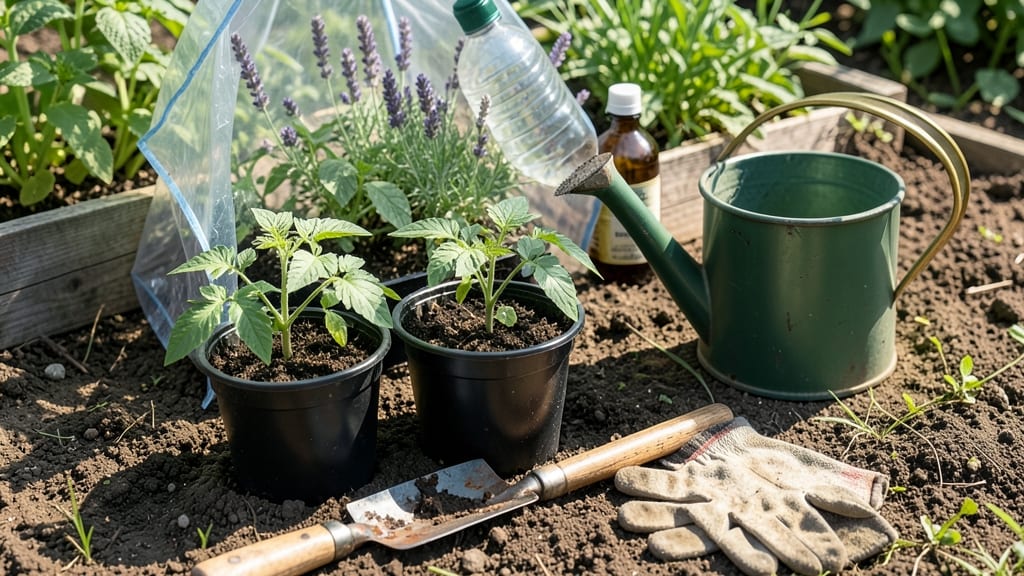
How to help transplant shock can turn your new plants into sad, wilted messes—unless you know these revival tricks. 🌱 I’ve nursed back everything from wilting tomatoes to droopy shrubs using the same simple techniques, and they work every time. The secret isn’t complicated: it’s about protecting those tender roots and giving plants time to adjust.
Most people overwater or underestimate how delicate roots are after moving. Instead, focus on gentle handling, partial shade, and consistent moisture—not soggy soil. I’ve seen plants bounce back in just 3-5 days when cared for right, while others left to fend for themselves struggle for weeks.
The difference is in the details.
You’ll learn how to trim damaged roots, acclimate plants gradually, and support them during recovery without fancy tools. By the end, your transplants will look like they’ve been in place for months, not hours. Even my black thumb can’t mess this up.
Works for vegetables, flowers, and shrubs alike—just adjust the timing based on plant size. Let’s get those roots reviving before they even know they’ve been moved.
Understanding Root Trauma Triggers
Transplant shock isn’t just about the plant’s immediate reaction—it’s a cascade of physiological stress responses triggered by physical damage, environmental shifts, and biological disruptions.
Below, we break down the three core causes of transplant shock, explained in clear, actionable science so you can anticipate and mitigate them before they derail your plant’s recovery.
When you uproot a plant, even with care, root cells sustain microscopic tears—like a paper cut on a delicate system. Here’s why it matters:
- Cell Membrane Damage: Roots are packed with osmotic pressure regulators (like potassium and calcium ions). When roots are disturbed, these membranes rupture, causing leaky cells that can’t absorb water or nutrients efficiently.
Think of it like a burst water pipe—even if the plant looks fine above ground, the roots are hemorrhaging resources. - Mycorrhizal Fungal Disruption: Up to 90% of plants rely on beneficial fungi (mycorrhizae) to extend their root networks.
Digging severs these symbiotic bonds, forcing the plant to rebuild its microbiome from scratch—a process that takes weeks. - Oxygen Starvation: Compacted or bruised roots struggle to breathe. In waterlogged soil (even temporarily post-transplant), anaerobic bacteria thrive, producing toxic byproducts like ethanol that poison root cells.
Pro Tip: 💡 Use a root-stimulating solution (like diluted seaweed extract) at transplant time to help seal damaged cells faster.
Plants are temperature-sensitive thermometers. Sudden shifts in light, humidity, or soil conditions send roots into defensive mode, prioritizing survival over growth. Key triggers:
| Factor | Pre-Transplant State | Post-Transplant Stress | Why It Hurts |
|---|---|---|---|
| Light Intensity | Shade (e.g., under a tree) | Full sun exposure | Roots burn from photooxidative stress (excess UV damaging chlorophyll). |
| Humidity | 70%+ (e.g., greenhouse) | Dry air (e.g., outdoor wind) | Stomata close to conserve water, halting transpiration—roots suffocate. |
| Soil pH | Acidic (pH 5.5–6.5) | Alkaline (pH 7.5+) | Nutrient lockout—iron and manganese become unavailable, causing chlorosis. |
| Temperature | Warm (70–75°F) | Cold night dip (below 50°F) | Enzyme activity slows, stalling root repair and nutrient uptake. |
Actionable Fix: ✨ Acclimate plants gradually (harden off for 7–10 days) and match soil conditions (e.g., amend clay soil with compost to improve aeration).
Healthy roots host trillions of microbes—a protective ecosystem. Disrupt this balance, and your plant faces: - Pathogen Invasion: Open wounds from transplanting invite fungal invaders (e.g., Phytophthora) or bacterial soft rot.
These organisms outcompete beneficial microbes, clogging root zones with slime and toxins. - Nutrient Competition: Beneficial bacteria (like Pseudomonas fluorescens) help solubilize nutrients.
When disrupted, root exudates (sugars released by roots) feed harmful microbes instead, leading to root rot. - Hormonal Imbalance: Stressed roots overproduce ethylene gas, a plant stress hormone that triggers leaf drop and stunts root growth—even if the plant looks healthy above ground.
Science Hack: 🔬 Apply a biochar or mycorrhizal inoculant post-transplant to repopulate the root zone with protective microbes within 48 hours.*
Key Takeaway: Transplant shock is never just one thing—it’s the domino effect of physical trauma + environmental mismatch + microbial chaos. By addressing all three, you give your plant the best shot at a smooth recovery. Next up: How to Diagnose the Damage.
Turn Around Transplant Shock Fast
Transplant shock can feel like a sudden storm after your hard work—your plants look droopy, wilted, or just off—but don’t panic! With the right care, you can nurse them back to health.
Below, we’ve mapped out practical fixes based on the most common causes, plus prevention tips to keep future transplants smooth as butter.
Cause: Roots disturbed during transplanting, leading to dehydration or shock. Solution:
- 💧 Water deeply immediately after transplanting—soak the root zone until water drains from the bottom. Use a slow-release watering can or a drip irrigation system to avoid splashing soil away.
- 🌿 Mulch generously (2–3 inches) with organic matter (straw, wood chips, or coconut coir) to retain moisture and protect roots from temperature swings.
- 🌡️ Avoid extreme temps—transplant in early morning or late afternoon to prevent heat stress. If it’s scorching, shade the area with floating row covers or a lightweight tarp for 24–48 hours.
💡 Pro Tip: Add a rooting hormone (like willow water or mycorrhizal fungi) to the planting hole to speed up recovery.
Cause: Pruned too aggressively or exposed to wind/sun after transplanting. Solution:
- ✂️ Light pruning—trim only damaged or wilted leaves (never more than 1/3 of the plant). Healthy foliage helps the plant recover faster.
- 🏠 Provide shelter—use cloche covers, shade cloth, or even a cardboard box to block harsh sun/wind for 3–5 days. Gradually remove protection as leaves perk up.
- 🌅 Acclimate slowly—if moving from shade to sun, harden off plants over 5–7 days by exposing them to increasing sunlight in short bursts.
⚠️ Warning: Avoid fertilizing for 2–3 weeks post-transplant—roots need time to establish before absorbing nutrients.
Cause: Transplanting in too hot/cold weather or sudden temperature shifts. Solution:
- 🔥 For heat shock:
- Mist leaves 2–3 times daily (use cool, not cold, water).
- Reflect sunlight with white reflective mulch or aluminum foil around the base.
- Water at soil level (not overhead) to prevent leaf burn.
- ❄️ For cold shock:
- Cover with frost cloth or row covers at night.
- Use black plastic mulch to warm soil faster in spring.
- Group plants together to create a microclimate that retains heat.
🌡️ Ideal Temp Range: Most plants recover best in 60–75°F (15–24°C). Avoid transplanting when temps are below 50°F (10°C) or above 85°F (29°C).
Cause: Compacted, nutrient-poor, or overly wet soil stunts recovery. Solution:
- 🔄 Loosen soil—gently fork or rake the planting area to improve drainage. Mix in compost or aged manure (1 part compost to 3 parts soil).
- 💧 Drainage check: If water pools, raise beds or add perlite/sand to sandy soil for better aeration.
- 🍄 Boost microbes—sprinkle worm castings or compost tea to jumpstart beneficial soil life.
💡 Pro Tip: For container transplants, use well-draining potting mix (like 60% peat/coir, 30% perlite, 10% compost).
- 🌱 Choose the right time: Transplant on a cloudy day or in early morning/evening.
- 🌿 Keep roots intact: Dig a wide enough hole and loosen roots gently (don’t tease them out).
- 💧 Water before transplanting—well-hydrated roots handle stress better.
- 🌿 Stake or cage tall plants before they wilt to prevent wind damage.
- 📅 Monitor progress: Check plants daily for the first week—wilting, yellowing, or crispy edges signal trouble.
🎯 Final Thought: Most transplant shock is temporary—with patience and the right care, your plants will bounce back stronger than ever. Observe, adjust, and don’t overreact to minor setbacks! 🌱💚
Frequently asked questions
How long does transplant shock usually last?
Most plants recover from transplant shock within 3-7 days with proper care, though larger shrubs or trees may take 2-3 weeks. Watch for wilting or yellowing—if symptoms persist beyond 10 days, check for root rot or pest damage. Container plants often bounce back faster than those transplanted into ground soil.
Can I use aspirin water to help with transplant shock?
Yes! Dissolve 1 aspirin tablet in 1 gallon of water and use it to water your plants immediately after transplanting. The salicylic acid helps reduce stress hormones and promotes root growth. Repeat every 3-4 days for 2 weeks for best results—it’s especially effective for delicate seedlings and herbs.
Why are my newly transplanted plants wilting even after watering?
Wilting after watering often means root damage or oxygen starvation. Check if roots were bruised during transplanting (healthy roots should be white, not dark/brown). If soil stays soggy, roots can’t breathe—amend with perlite or sand. For container plants, ensure drainage holes aren’t clogged. A light mulch layer helps retain moisture without smothering roots.
Is it better to transplant in the morning or evening?
Transplant in early morning or late afternoon to avoid midday heat stress. Morning transplants give roots time to hydrate before evening, while afternoon transplants prevent afternoon wilting. Avoid transplanting on windy days—use temporary shade covers if needed. Cloudy days are ideal for high-stress plants like tomatoes or peppers.
Can I fertilize my plants right after transplanting?
Never fertilize immediately after transplanting! Roots need 2-3 weeks to recover before absorbing nutrients. Use a balanced, water-soluble fertilizer (like 10-10-10) at half-strength after 3 weeks for fast-growing plants. For slow growers (like perennials), wait 6 weeks. Instead, focus on organic matter like compost tea to rebuild soil microbes.