
Pests
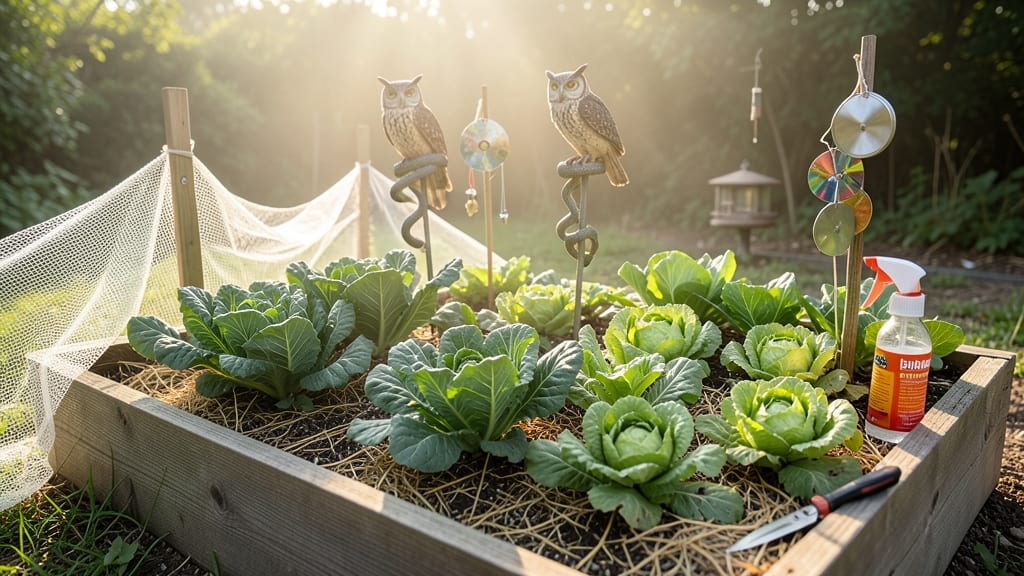
How to keep birds away from your plants? 🌿 I’ve lost count of the times I’ve watched my ripening tomatoes vanish overnight—until I discovered these humane, effective barriers that actually work without harming feathered friends.
The key is combining physical deterrents with smart plant choices. Netting over berry bushes or young veggies creates an instant shield, while reflective tape or old CDs strung between plants confuses birds with flashes of light.
Even wind chimes or predator decoys (like fake owls) trick them into staying away—just move them weekly so birds don’t catch on.
You’ll see results within days: fewer pecked leaves, intact fruits, and a garden that stays lush instead of picked clean. The best part? These methods work for any garden size, from tiny containers to sprawling plots, and won’t leave chemical residues behind.
Regional tweaks matter—robins love serviceberries in the East, while sparrows target lettuce nationwide. But the core strategies adapt everywhere. Let’s get your garden back from the birds without a single shot fired.
📚 In This Guide
- What you need
- Instructions
- Tips and common mistakes
- Wrapping up and next steps
What you need
- ● Bird netting: Fine-mesh (½-inch or smaller) for small birds (e.g., sparrows, finches)
- ● Larger mesh (1-inch) for bigger birds (e.g., pigeons, crows)
- ● Quantity: Enough to cover vulnerable plants (e.g., 50–100 sq. ft. for a small garden)
- ● Stakes or hooks: 6–12 inches long, made of plastic, metal, or wood (1–2 per plant or section).
- ● Twine or zip ties: For securing netting (10–20 feet, depending on garden size).
- ● Reflective tape or old CDs: 1–2 rolls (for visual deterrents).
- ● Spikes or prickly plants: Plastic spikes (for pots or raised beds)
- ● Prickly plants like Agave or Yucca (if replanting is an option).
- ● Mulch or gravel: 2–3 bags (for ground-level deterrence).
- ● Motion-activated sprinklers: Battery-operated (1–2 units for larger gardens).
- ● Predator decoys: Fake owls or hawks (1–2 per vulnerable area).
- ● Essential oil spray: Mix peppermint or citrus oil with water (1 tbsp oil per quart of water).
- ● Wind chimes or noise makers: Hang near bird hotspots (e.g., birdbaths).
Tips & tricks for creating effective plant protection barriers
Real talk: These are the details that separate temporary solutions from long-term bird deterrence in your garden.
Barrier Installation Timing: In Step 1, place your physical barriers before birds establish feeding habits. I've seen birds quickly learn to work around new obstacles if introduced after they've already claimed territory. For seedling protection, install cloche covers as soon as seeds sprout—this prevents established birds from claiming new food sources before they even emerge.
Reflector Effectiveness: For Step 2's reflective surfaces, position CDs or pie pans to catch sunlight at different angles throughout the day. I recommend placing them at 3-4 feet high where birds naturally scan for food, but also add a few at ground level to create a multi-directional disturbance. The key is creating unpredictable movement patterns—birds learn to ignore static objects within 24 hours.
Decoy Placement Strategy: When implementing Step 3's predator decoys, place them 50-100 feet apart for larger gardens to create a network of perceived danger. I've found that combining visual (fake owls) with auditory deterrents (wind chimes) creates a more comprehensive defense. The movement you add with solar-powered fans should be subtle but consistent—birds respond to natural predator behavior patterns, not exaggerated movements.
Repellent Application Technique: For Step 4's hot pepper solution, strain the mixture through a fine mesh before spraying to avoid clogging your sprayer. Apply in the early morning when birds are least active, focusing on leaf surfaces and stems rather than just foliage. The dish soap helps the solution adhere better, but don't use it on delicate flowers that might absorb the mixture.
Pro Tips for Keep Birds Away From Plants
- Real talk: These are the details that separate temporary solutions from long-term bird deterrence in your garden.
- Barrier Installation Timing: In Step 1, place your physical barriers before birds establish feeding habits.
- Reflector Effectiveness: For Step 2's reflective surfaces, position CDs or pie pans to catch sunlight at different angles throughout the day.
Frequently asked questions
Got questions about keeping birds away from your garden without harming them? You’re not alone! Here are some of the most common concerns—and straightforward solutions—to help you protect your plants while keeping feathered friends safe.
What’s the safest way to scare birds without hurting them?
Use non-lethal deterrents like reflective tape, wind chimes, or even a sprinkler on a timer. Birds dislike sudden movements and bright flashes, so these methods work well without causing stress. Avoid loud noises or predators (like fake owls), as they can create unnecessary fear in wildlife.
How long does it take for bird deterrents to work?
Results vary, but most gardeners see a noticeable difference within 1–2 weeks of consistent use. Birds are creatures of habit, so the key is persistence. If you stop deterrents, they’ll likely return—stick with it for at least a month to break their routine.
Will bird netting damage my plants?
Not if you choose the right type! Opt for lightweight, breathable netting (like fine mesh or shade cloth) to allow sunlight and water through. Secure it loosely to avoid crushing stems, and remove it in winter to prevent mold buildup. For delicate plants, try floating row covers instead.
Are there any plants birds love that I should avoid?
Yes! Birds are drawn to berries, seeds, and nectar-rich flowers like sunflowers, tomatoes, and peppers. If you’re growing these, use deterrents early in the season. For a bird-friendly balance, plant deterrent crops nearby (like marigolds or garlic) to confuse them.
What if birds keep coming back after I’ve tried everything?
Try a multi-layered approach: Combine physical barriers (netting), visual deterrents (scare tape), and even ultrasonic devices (though their effectiveness is debated). Check for food sources nearby—like bird feeders or fallen fruit—and remove them temporarily. Patience is key!
Wrapping up and next steps
Keeping birds away from your garden doesn’t have to be a challenge—just a few natural, bird-friendly barriers can make all the difference!
Whether you opt for reflective tape, netting, or plant-based deterrents, the key is consistency and kindness. 🌿 Your garden will thrive, and local birds will still find plenty of safe spaces to enjoy.
Ready to take action? Start by picking one or two methods from this guide and test them in your garden today. Small steps lead to big results—happy gardening! 🌱