
Tools
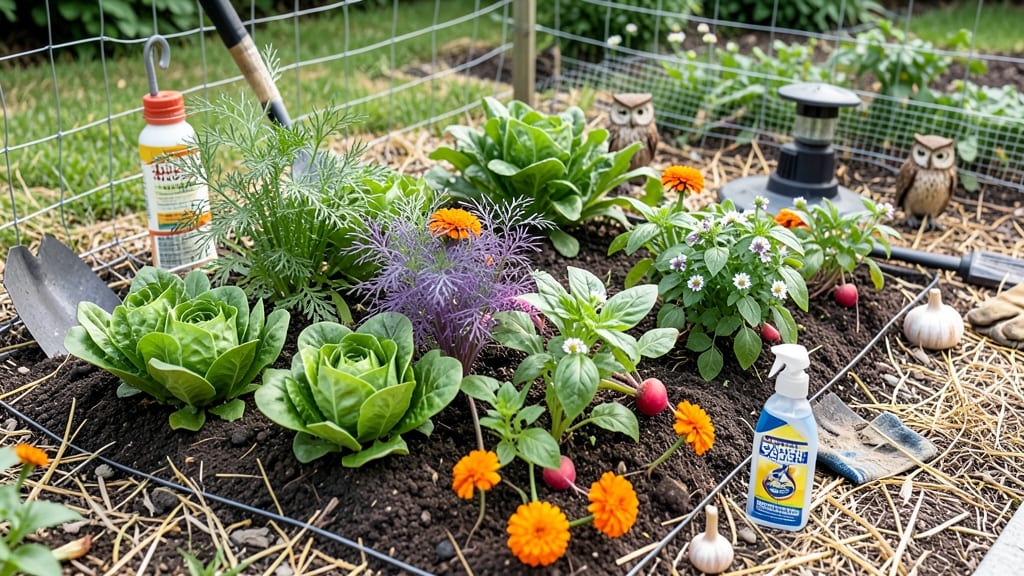
How to keep bunnies out of your vegetable garden—those fluffy thieves have turned your hard work into their midnight snack. 🐰 I’ve lost count of the times I’d plant a row of lettuce or carrots, only to find them vanished overnight—chewed stems and all. The good news? Humane barriers do work, and the right setup can stop them for good without harming a single fluffy ear.
Most people try repellents first, but rabbits quickly learn to ignore them. What actually works is blocking their access entirely—think chicken wire buried 6 inches deep, hardware cloth (not plastic mesh), or raised beds with solid sides.
My most stubborn bunnies finally gave up after I wrapped my garden beds in 1/4-inch hardware cloth and secured it tightly. No digging, no chewing, just peace.
You’ll see the difference within a week: no more half-eaten greens, no mysterious holes in the soil, and plants that grow tall and strong instead of being nibbled into stumps.
The key is consistency—bunnies are persistent, so make sure there are no gaps, even under fences. A little effort now means a full harvest later.
For long-term success, combine barriers with smart garden layout: plant less appealing crops (like marigolds or onions) as borders, and avoid planting near woodpiles or brush where rabbits hide. It’s not about fighting them—it’s about making your garden less tempting than the neighbor’s lawn.
📚 In This Guide
- What you need
- Instructions
- Tips and common mistakes
- Wrapping up and next steps
What you need
- ● Hardware cloth or wire mesh: 1/4-inch to 1/2-inch mesh (at least 2 feet tall, or taller if bunnies are persistent). Pro tip: 💡 Use 18-gauge galvanized steel for durability.
- ● Stakes or posts: 1-inch diameter, 2–3 feet long (1 stake every 2–3 feet along the perimeter).
- ● Heavy-duty zip ties or fencing staples: To secure mesh to stakes.
- ○ Burying barrier (optional but recommended): Extend mesh 6–12 inches underground to prevent digging.
- ● Decorative fencing: If aesthetics matter, use vinyl-coated wire or wooden lattice (still with small gaps!).
- ● Motion-activated sprinklers: Like ScareCrow (plug-and-play, no wiring needed!).
- ● Natural repellents: Composted coffee grounds or hot pepper spray (reapply after rain).
- ● Overhead netting: For floating gardens or delicate greens (secure with T-posts).
- ● Chicken wire: Bunnies can easily chew through it! ❌
- ● Plastic fencing: Too flimsy—bunnies will push through.
- ● Poison or glue traps: Never humane—stick to barriers!
Tips & tricks for effective garden barriers against bunnies
These practical tips will help you create a barrier that actually works—no more wasted veggies!
Material Selection: For Step 1, don't skimp on the stakes. I've seen bunnies push through flimsy bamboo stakes, but 2-inch thick wooden stakes or galvanized metal stakes hold firm. If you're using metal mesh for the frame, opt for 1/4-inch hardware cloth—it's the gold standard for bunny-proofing. The tighter the weave, the better the defense.
Digging Defense: In Step 2, when burying the mesh, go deeper than just 4 inches if you're dealing with particularly determined bunnies. I've had success with 6-8 inches deep in sandy soil, as bunnies can tunnel surprisingly far. For clay soil, 4 inches is usually enough since it's harder to dig. Always check for any exposed edges after rain—soil erosion can create new entry points.
Natural Repellent Rotation: For Step 3, rotate your deterrents more frequently than every few days if you notice bunnies getting too close. I switch between dried blood meal and cayenne pepper weekly, and add garlic cloves every other week. The key is variety—bunnies get used to one scent quickly. Also, place deterrents 3-4 feet away from the barrier, not right at the edge, to create a scent buffer zone.
Distraction Garden Placement: When creating your Step 5 distraction garden, position it downwind from your vegetable garden if possible. Bunnies have an incredible sense of smell, and this will help mask the scent of your veggies. Also, keep the distraction garden at least 10 feet away—closer and bunnies might still try to reach your main garden between nibbles on their treats.
Pro Tips for Keep Bunnies Out Of Vegetable Garden
- These practical tips will help you create a barrier that actually works—no more wasted veggies!
- Material Selection: For Step 1, don't skimp on the stakes.
- Digging Defense: In Step 2, when burying the mesh, go deeper than just 4 inches if you're dealing with particularly determined bunnies.
Frequently asked questions
about keeping bunnies out of your veggie garden—because even the best-laid plans need a little troubleshooting!What’s the most effective time of year to install barriers?
Install barriers before planting season (early spring) or right after harvest (fall). Bunnies are most active in spring/summer when food is scarce, so preemptive action works best. If you’re dealing with an existing infestation, set up barriers immediately—just be patient, as it may take a few days for them to notice and avoid the area.
Will chicken wire work, or do I need something stronger?
Chicken wire is not ideal—bunnies can squeeze through gaps (even 1-inch holes!). Opt for hardware cloth (1/4-inch or smaller mesh) buried at least 12 inches deep. For extra security, combine it with a temporary fence (3+ feet tall) or repellent sprays. Think of it like a fortress, not a screen door!
Are there humane ways to deter bunnies without harming them?
Try these non-lethal tricks:
- Motion-activated sprinklers (startle them without injury).
- Commercial repellents (like Liquid Fence) with natural ingredients like garlic or predator urine (use sparingly).
- Plant sacrificial crops (like lettuce or clover) far from your veggies to lure them away.
- Scare tactics: Wind chimes, old CDs, or even a fake owl statue (move it daily to stay effective).
What should I do if bunnies keep digging under the fence?
Digging is their sneakiest trick! To stop them:
- Burrow the hardware cloth at a 45-degree angle outward for 12+ inches.
- Add a soil barrier (like a metal edging strip) 6 inches deep along the fence line.
- Check for gaps in mulch or loose soil—bunnies exploit these like acrobats!
- Use gravel or pebbles near the fence base (they dislike the texture).
How much does this really cost, and where can I find supplies?
Costs vary, but here’s a rough breakdown:
Item
Estimated Cost
Where to Buy
Hardware cloth (100 ft roll)
$20–$40
Home Depot, Lowe’s, or online (Amazon)
T-posts or stakes
$10–$25 (for a 10-ft garden)
Garden centers or hardware stores
Motion-activated sprinkler
$30–$60
Amazon, Tractor Supply Co.
Repellents (e.g., Liquid Fence)
$10–$20 per bottle
Garden supply stores, Walmart
Pro tip: Check local recycling centers for old fencing or hardware cloth—sometimes it’s free! Also, DIY a fence from scrap wood and wire if you’re crafty.
Wrapping up and next steps
Keeping bunnies out of your vegetable garden is all about strategic, humane barriers that discourage digging without harming these adorable (but pesky) critters. From raised beds and chicken wire to natural repellents and motion-activated sprinklers, there’s a solution that fits every garden’s needs—and budget! 🌱
Don’t let floppy ears and twitchy noses ruin your harvest—take action today. Start with one or two methods, monitor their effectiveness, and adjust as needed. Your veggies (and your sanity) will thank you!