
Pests
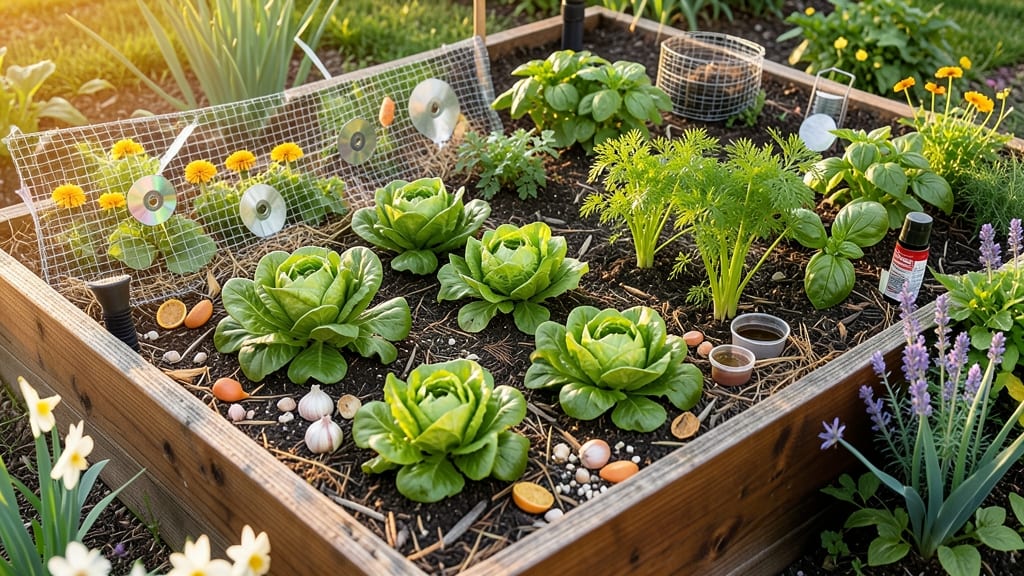
How to keep critters away from my garden was a desperate search—until I found these humane repellents that actually work. 🌱 The key isn’t just scaring them off but making your garden feel like a no-go zone without harming wildlife or your plants.
You’ll need simple supplies like pruning shears, chicken wire, and a few household staples—no expensive traps or chemicals required. The best solutions combine physical barriers, strong scents they hate, and plants that naturally repel pests. My favorite? A mix of hot pepper spray and motion-activated sprinklers that work together.
Within a week, you’ll see fewer nibbled leaves and more peaceful growing. The secret is consistency—critters learn patterns, so rotate methods seasonally. Deer might ignore garlic spray, but rabbits? They’ll bolt at the first whiff of castor oil.
Works for rabbits, squirrels, deer, and even hungry insects. No more losing your harvest to hungry neighbors—just a garden that feels like a fortress. Let’s get started with what’s worked for me (and my lettuce).
📚 In This Guide
- What you need
- Instructions
- Tips and common mistakes
- Wrapping up and next steps
What you need
- ● Natural Repellents: 1 gallon of vinegar (white or apple cider)
- ● 1 cup of coffee grounds (used or fresh)
- ● 10–15 garlic cloves (or 1 tbsp garlic powder)
- ● 1 tbsp hot pepper flakes (or cayenne pepper)
- ● 10–15 citrus peels (orange, lemon, or grapefruit)
- ● 1–2 essential oils (peppermint, eucalyptus, or citrus—10–15 drops per spray bottle)
- ● Physical Barriers: 1–2 rolls of chicken wire (18–24 inches tall, depending on critter threat)
- ● 10–20 plastic bottles (2-liter size, cut in half)
- ● 50–100 prickly plants (e.g., marigolds, thorny roses, or barberry bushes)
- ● Straw or mulch (2–3 inches deep for ground cover)
- ● Tools & Extras: 1 spray bottle (16 oz, for homemade repellent mixes)
- ● 1 gardening gloves (to handle spicy or prickly materials)
- ● 1 pruner or scissors (for cutting bottles or plants)
- ● Stakes or rocks (to secure barriers like chicken wire)
- ● Motion-activated sprinklers (for larger gardens or persistent pests)
- ● Ultrasonic repellent devices (battery-operated, for small areas)
- ● Compost bins with tight lids (to remove food attractants)
- ● Predator decoys (e.g., fake owls or snakes for visual deterrence)
- ● Homemade "critter coffee" (mix coffee grounds with water, let steep overnight, then spray)
Step-by-Step guide to humane critter deterrents
Here’s how to protect your garden without harming wildlife—tested methods that actually work.
🌱 Step 1: Identify and Understand Your Garden Visitors
Before choosing repellents, figure out who’s snacking on your plants. Deer leave jagged edges on leaves, rabbits create neat, clean bites, and squirrels target seeds and fruits. I like to set up a small trail camera for a few nights—it’s the best way to confirm what you’re dealing with.
Different critters respond to different deterrents. Deer, for example, are deterred by strong scents, while rabbits prefer physical barriers. Squirrels, on the other hand, are clever and require a mix of scent and visual deterrents. Knowing your enemy is half the battle.
🌿 Step 2: Create Physical Barriers Where Needed
For rabbits and ground-dwelling pests, a chicken wire fence buried 6 inches deep around garden beds works wonders. I’ve seen rabbits dig under flimsy fences, so burying it prevents them from tunneling underneath. For deer, a 8-foot tall fence is the gold standard—deer can’t jump that high, and they won’t try.
If fencing isn’t an option, try row covers made of lightweight fabric. These let sunlight and water through while blocking pests. Secure the edges tightly with rocks or soil to prevent critters from burrowing underneath. This method is especially effective for early spring plantings when pests are most active.
💧 Step 3: Use Natural Scents as Deterrents
Critters hate strong, unfamiliar smells. I mix 1 part hot pepper sauce with 9 parts water in a spray bottle and apply it to the leaves and soil around plants. Reapply every 3-5 days or after rain. The capsaicin in peppers irritates their noses and mouths, making your garden less appealing.
For a longer-lasting solution, plant strong-scented herbs like rosemary, lavender, or mint around the perimeter of your garden. These plants naturally repel many pests with their aromatic oils. I’ve also had success with commercial predator urine (like fox or coyote urine), which signals danger to smaller animals. Just follow the application instructions carefully—overuse can harm plants.
☀️ Step 4: Introduce Motion and Sound Deterrents
Motion-activated sprinklers are one of the most effective tools I’ve used. The sudden burst of water startles pests and discourages them from returning. Place them near high-traffic areas where critters enter your garden. These work best for deer and rabbits, which associate the garden with discomfort.
For squirrels and birds, wind chimes or reflective tape can create enough noise and movement to keep them away. I hang old CDs or aluminum pie pans from strings—they catch the wind and create unpredictable sounds that pests dislike. This method is low-cost and easy to adjust if it’s not working.
✂️ Step 5: Maintain a Clean and Uninviting Garden
Critters are drawn to gardens that offer shelter and food. Keep your garden tidy by removing fallen fruits, weeds, and debris where pests can hide. I also avoid leaving pet food or birdseed outside, as these attract wildlife that may then wander into your garden.
If you’re dealing with burrowing pests like gophers or moles, castor oil-based repellents can be effective. Apply them to the soil in a 2-inch band around the perimeter of your garden. The active ingredient, ricinoleic acid, is harmless to plants but unpleasant to pests. Reapply after rain to maintain effectiveness.
Tips & tricks for effective critter deterrents
These practical strategies will help you maximize the effectiveness of your wildlife protection methods.
Targeted Approach: In Step 1, when identifying your garden visitors, I recommend keeping a simple logbook. Note the specific plants being damaged, the time of day when damage occurs, and any weather patterns. This helps you determine which deterrents to prioritize—deer may be most active at dawn/dusk, while rabbits might prefer overcast days. The more specific you are, the more effective your solutions will be.
Barrier Installation Secrets: For Step 2's chicken wire fencing, I've found that adding a 1-inch lip of wire bent outward at the top prevents rabbits from climbing over. When using row covers, secure them with brass fasteners instead of staples—this protects your plants from damage and makes removal easier. Remember, the deeper you bury the fence (at least 6 inches as mentioned), the more effective it will be against digging pests.
Scent Application Strategy: When preparing your hot pepper spray in Step 3, I suggest adding 1 teaspoon of dish soap to your mixture. This helps the solution adhere better to plant leaves and soil, making it more effective. For the predator urine, apply it in small, concentrated spots rather than spreading it everywhere—this mimics natural scent marking patterns. Reapply every 3-5 days or after heavy rain, as scent effectiveness diminishes quickly.
Motion Deterrent Placement: In Step 4, position your motion-activated sprinklers at least 10 feet from your garden's edge. This gives critters a chance to detect movement before being startled. For wind chimes, hang them at varying heights—this creates unpredictable sound patterns that are more effective at deterring pests. I've also had success combining both methods: sprinklers for deer/rabbits and chimes for squirrels/birds.
Pro Tips for Keep Critters Away From Garden
- These practical strategies will help you maximize the effectiveness of your wildlife protection methods.
- Targeted Approach: In Step 1, when identifying your garden visitors, I recommend keeping a simple logbook.
- Barrier Installation Secrets: For Step 2's chicken wire fencing, I've found that adding a 1-inch lip of wire bent outward at the top prevents rabbits from climbing over.
Frequently asked questions
Got questions about keeping critters out of your garden without harming them? You’re not alone! Here are some of the most common concerns—and practical answers—to help you protect your plants and your furry (or feathery) neighbors.
What’s the best natural repellent for squirrels?
Try a mix of peppermint oil (soak cotton balls and place near entry points) or hot pepper spray (1 tbsp cayenne + 1 quart water). Squirrels hate the smell! For extra defense, use chicken wire around young plants or raised beds.
Will vinegar or coffee grounds really work against rabbits?
Yes! A vinegar-water spray (1:1 ratio) disrupts their scent trails, while coffee grounds scattered around gardens confuse them. Reapply after rain. For stubborn bunnies, pair with physical barriers like fencing (at least 2 feet tall) or row covers.
How often should I reapply homemade repellents?
Most natural repellents (like pepper spray or garlic water) last 1–2 weeks or until rain washes them away. Check weekly and reapply after heavy watering. For long-term protection, rotate methods—e.g., use predator urine (coyote or fox) one week, then switch to plant-based sprays the next.
Are there any plants that naturally repel pests?
Plant marigolds (deter rabbits/deer), lavender (keeps squirrels away), or basil (repels flies and mosquitoes). Even garlic and onions in your garden beds act as natural deterrents. Bonus: They’re edible and boost your harvest!
What do I do if critters keep coming back despite repellents?
First, identify the pest (tracks, chewed plants, or droppings help!). Then, layer defenses: combine repellents (e.g., spray + fencing), remove food sources (clean up fallen fruit), and secure trash/compost. For persistent issues, try ultrasonic devices or professional humane traps.
Still stumped? Drop your specific critter challenge in the comments—we’re happy to help!
Wrapping up and next steps
Keeping critters out of your garden doesn’t have to mean harsh chemicals or expensive traps—natural, humane solutions can be just as effective! 🌱 From homemade sprays and physical barriers to smart landscaping, these methods protect your plants while respecting wildlife.
The key is consistency and a mix of strategies tailored to your garden’s biggest pests.
Ready to reclaim your garden? Start small—try one or two repellents this week, observe what works, and adjust as needed. Your green oasis is waiting! 🌿