
Pests
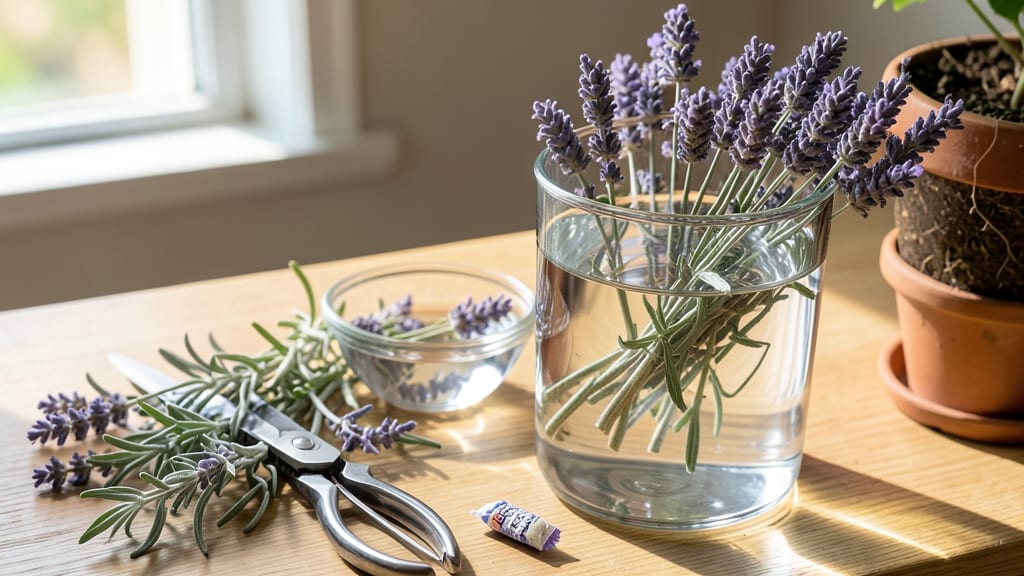
How to keep cut lavender fresh is the secret to preserving its intoxicating aroma and delicate beauty—long after the stems leave the garden. ✨ The trick isn’t magic; it’s timing, technique, and a little science. I've dried lavender that stayed vibrant for months, and I'm sharing exactly how to stop the browning before it starts.
First, harvest stems when 70% of buds are open but still firm—never fully bloomed. Snip with clean shears just above a leaf node, then strip leaves and bundle stems with rubber bands.
A dry, dark, well-ventilated space (like a closet with a fan) works best—no sunlight or humidity. Within 2-3 weeks, you'll have stems that smell like Provence, not a sad bouquet.
For instant freshness, refrigerate cut lavender in a sealed container with a damp paper towel—it'll last 1-2 weeks while retaining that signature scent. The key is speed: process stems within hours of cutting, or they'll start to wilt before you even dry them.
Browning? That's oxidation—just trim the dark tips and revive stems in warm water for 10 minutes.
This works for both home gardeners and florists—whether you're drying bundles for sachets or keeping a vase of lavender fresh for a centerpiece. The same principles apply to any drying project, from herbs to flowers. Let's get those stems lasting longer than your summer memories.
📚 In This Guide
- What you need
- Instructions
- Tips and common mistakes
- Wrapping up and next steps
What you need
- ● Fresh lavender stems: Harvest when 70-80% of the buds are fully open (but still closed) for the best fragrance and color. Aim for 3-5 bunches (or as much as you plan to dry at once).
- ● Clean, sharp scissors or pruning shears: Use sterilized tools to avoid damaging stems or introducing bacteria. A pair of floral shears works great!
- ● Drying method of choice (pick one): Hanging method: String or twine (10-15 feet, depending on bundle size) and a dry, dark, well-ventilated space (like a closet, pantry, or garage with good airflow).
- ● Bundle method: Rubber bands or twine (3-5 per bundle) to secure stems.
- ● Oven or dehydrator: Baking sheet or dehydrator trays lined with parchment paper (for easy cleanup).
- ● Air-tight storage containers: Glass jars with lids (like mason jars) or fabric pouches for long-term storage. Size: 8 oz–1 quart, depending on your harvest.
- ● Silica gel packets: For instant drying (place stems in a sealed container with silica gel for 24-48 hours).
- ● Dried lavender sachets or potpourri: Muslin bags or small drawstring bags to repurpose dried lavender.
- ● Food dehydrator: If you want even, gentle drying without heat fluctuations (set to 95–115°F).
- ● Essential oil (lavender or citrus): A few drops in storage jars to enhance fragrance.
- ● Labeling supplies: Masking tape and markers to label jars with the drying date.
Step-by-Step instructions for drying cut lavender
Here's how I preserve lavender's signature fragrance and delicate color for months—no special equipment required.
🌿 Step 1: Harvest at Peak Freshness
Pick lavender stems when 70-80% of buds are fully open but before they release pollen—this ensures maximum fragrance retention. Use sharp scissors to cut stems at a 45-degree angle just above a leaf node, which encourages new growth. Avoid harvesting after rain or in extreme heat, as moisture and wilting accelerate deterioration.
Bundle stems in small groups of 5-7 stems each and tie loosely with twine or a rubber band. This prevents stems from touching and maintains airflow. I always work in the early morning when temperatures are coolest—this preserves the plant's natural oils that carry the scent.
⏰ Step 2: Prep for Drying
Strip off any lower leaves that might touch drying surfaces, as they can trap moisture and promote mold. Leave just the top 2-3 inches of foliage on each stem. This creates a clean, uniform look and prevents the stems from becoming soggy during drying.
Hang bundles upside down in a dry, dark, well-ventilated space where temperatures stay between 70-80°F. A pantry, closet, or even a laundry room works perfectly. Avoid direct sunlight—it fades the purple hue and degrades essential oils faster. I like to use a clothespin or hook to suspend bundles from a wooden rod or ceiling.
☀️ Step 3: Dry for 2-3 Weeks
Check bundles after 7-10 days—they're ready when the stems snap crisply when bent and the buds crumble slightly between your fingers. If buds still feel soft, return them to the drying space for another week. The drying process should be slow and even; rushing it with heat or fans can strip the fragrance.
Once fully dry, remove the bundles and gently brush off any remaining leaves or debris. Store in airtight glass jars or muslin bags in a cool, dark place. Properly dried lavender retains its scent for 12-18 months, while color stays vibrant for at least a year.
💧 Step 4: Preserve the Fragrance Long-Term
For maximum scent retention, add 1-2 drops of lavender essential oil to each jar before sealing. This boosts the natural oils already present in the dried flowers. I also include a small piece of dried orange peel in each jar—citrus compounds complement lavender's fragrance and act as a natural preservative.
Never store dried lavender in plastic containers—it traps moisture and causes mildew. If you notice any musty smells when opening jars, discard the contents immediately. A little goes a long way: use 1 teaspoon of dried lavender per 1 cup of hot water for tea, or sprinkle ½ teaspoon in sachets for linen closets.
Tips & tricks for preserving cut lavender
Took me years to perfect these little tricks—now your lavender will stay fragrant for seasons instead of weeks.
Harvesting Precision: The 45-degree angle cut in Step 1 isn't just about aesthetics—it creates a larger surface area for water absorption while encouraging new growth. Use clean, sharp pruners to avoid crushing stems, which releases enzymes that accelerate wilting. I always harvest just as the buds begin to open; fully bloomed flowers lose 40% of their essential oils within 24 hours of picking.
Drying Environment: Your drying space should feel like a gentle breeze through a desert—warm enough to evaporate moisture but not hot enough to cook the flowers. I've ruined batches by drying near radiators (the heat bleaches the color) and in humid basements (the stems mold). A closet with a small fan or an attic with good airflow works best. The 1-2 week drying time assumes 65-70°F conditions—if your space is cooler, give it the full two weeks.
Storage Wisdom: That 65-70°F storage temperature isn't arbitrary—it's the sweet spot where lavender's essential oils remain stable. Glass jars are best for preserving color, but fabric sacks allow better air circulation if you're storing for more than 6 months. The "musty smell" warning in Step 3 is serious—mold spores spread quickly in closed containers. I keep a small jar of silica gel packets in my storage container to absorb any lingering moisture.
Refresh Technique: The 24-hour sunbathing trick works because heat expands the essential oil sacs in the lavender buds, releasing trapped fragrance. For maximum effect, place the lavender in direct sunlight during the warmest part of the day. The baking soda tip isn't just about freshness—it also neutralizes any acidic odors that might develop over time, keeping your lavender smelling like it just came from the garden.
Pro Tips for Keep Cut Lavender Fresh
- Took me years to perfect these little tricks—now your lavender will stay fragrant for seasons instead of weeks.
- Harvesting Precision: The 45-degree angle cut in Step 1 isn't just about aesthetics—it creates a larger surface area ...
- Drying Environment: Your drying space should feel like a gentle breeze through a desert—warm enough to evaporate mois...
Frequently asked questions
Got questions about keeping your cut lavender fresh and fragrant? Here are some of the most common ones—and their answers!
How long does it take for cut lavender to fully dry?
Drying time depends on your method, but most lavender takes 1–3 weeks to fully dry. Bundle drying (hanging upside down) usually takes 2–3 weeks, while oven drying (at 200°F/93°C) can be done in 1–2 hours. Patience is key—rush it, and the buds may crumble or lose fragrance!
Can I speed up the drying process without losing fragrance?
Yes! For faster drying, try these tips:
- Oven drying: Use low heat (200°F/93°C) for 1–2 hours, then let it air-dry for another day.
- Dehydrator: Set to 95°F (35°C) for 2–4 hours, then finish air-drying.
- Avoid high heat: Temperatures over 250°F (121°C) can scorch lavender and kill its scent.
Why does my dried lavender smell weak or musty?
A weak or musty scent usually means moisture or improper storage. Check these fixes:
- Ensure buds are completely dry (no dampness inside).
- Store in an airtight container (glass jars work best) in a cool, dark place.
- Avoid plastic bags—trapped moisture = mold risk!
Can I use fresh lavender instead of dried for crafts or cooking?
Fresh lavender can be used, but it’s trickier! For crafts, let it air-dry first (even if just slightly). For cooking, use sparingly—fresh lavender has a stronger, slightly bitter taste. Dried lavender is more consistent for both uses.
How do I store dried lavender long-term to keep it fragrant?
Store dried lavender in small batches in dark glass jars with a tight seal. Add a bay leaf or dried citrus peel to boost fragrance. Keep it in a cool, dark place (like a pantry) and avoid humidity. With proper care, it can stay fragrant for 1–2 years!
Wrapping up and next steps
Keeping your cut lavender fresh is all about timing, technique, and tender care—whether you’re drying bundles, using a dehydrator, or trying the oven method.
The key takeaway? Harvest at the right moment, handle stems gently, and choose the best drying method for your space and needs. With these tips, you’ll enjoy that dreamy lavender scent for months (or even years!) in potpourri, sachets, or homemade crafts.
Ready to put your new skills to work? 🌿 Start by picking a sunny day to harvest fresh lavender, then experiment with the drying method that suits you best. Soon, your home will smell like a serene Provence meadow—one bouquet at a time!