
Pests
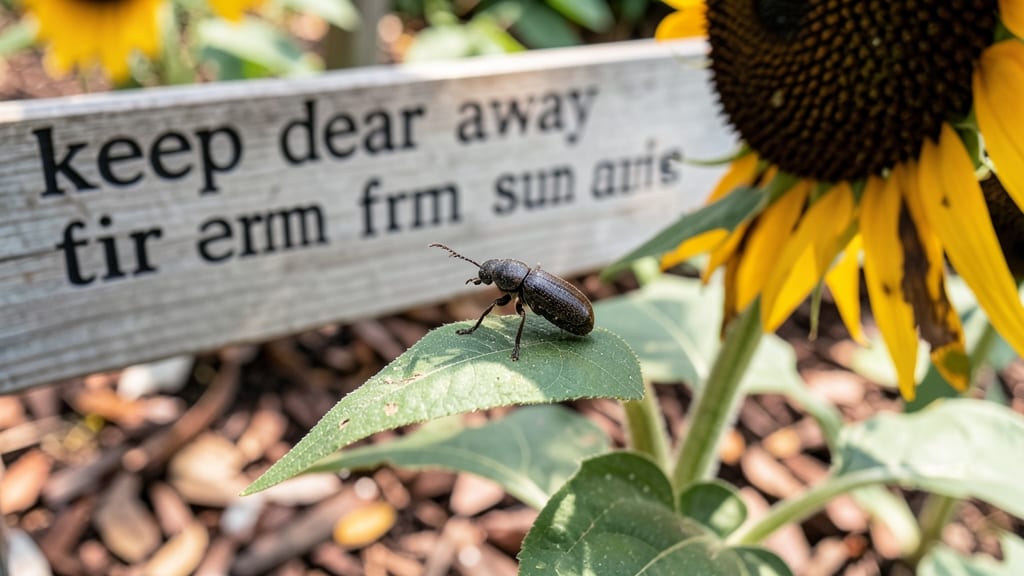
How to keep deer away from sunflowers—it’s a battle every gardener loses without the right tricks. 🌻 I’ve watched these graceful but relentless browsers flatten entire patches in hours, but a simple spray-on pepper barrier stops them cold without harming plants or pets.
The secret is cayenne pepper’s scent—deer hate it. Mix 1 tablespoon cayenne with 1 gallon water and a few drops of dish soap (as a sticker). Spray liberally on leaves and stems every 5-7 days or after rain.
The first application deters deer immediately, and the smell lingers just enough to keep them away.
You’ll see results within 24 hours—no more snapped stems or chewed foliage. The barrier works best when combined with physical barriers (like chicken wire) for extra protection, especially in high-traffic deer areas. Sunflowers stay tall, sturdy, and ready for harvest.
This method is chemical-free, budget-friendly, and safe for pollinators. For long-term defense, rotate with companion planting (like marigolds or garlic) to confuse deer further. Once you try it, you’ll never rely on fencing alone again.
📚 In This Guide
- What you need
- Instructions
- Tips and common mistakes
- Wrapping up and next steps
What you need
- ● Cayenne pepper or hot pepper flakes – 1–2 cups (the hotter, the better! Look for cayenne with a 30,000–50,000 Scoville Heat Unit (SHU) rating for maximum effectiveness).
- ● Dish soap (mild, unscented) – 1–2 tablespoons (helps the mixture stick to plants and deters deer with its scent).
- ● Water – 1 gallon (enough to fill a spray bottle or garden sprayer).
- ● Spray bottle or garden sprayer – 16–32 oz capacity (a hose-end sprayer is ideal for larger areas).
- ● Protective gear – Gloves (nitrile or rubber), long sleeves, and safety goggles (pepper can irritate skin and eyes!).
- ○ Labeling tape or markers – To mark treated areas (optional but helpful for reapplication reminders).
- ● Essential oils – 5–10 drops of peppermint, citrus, or eucalyptus oil (adds extra repellent power and a fresh scent).
- ● Garlic or rotten eggs – 1–2 cloves of garlic (crushed) or 1 tablespoon of rotten egg odorizer (deer hate these smells—mix into the spray or use separately).
- ● Fencing or netting – Temporary barriers (e.g., chicken wire or deer netting) for high-risk areas (use in conjunction with the spray).
- ● Reusable spray bottles – 2–3 smaller bottles for spot treatments or travel-friendly applications.
Step-by-Step instructions for creating a deer-repellent pepper spray barrier
Here's the exact method I've used to protect sunflowers—no fences, no traps, just a fast-acting spray that deer despise.
🌱 Step 1: Gather and Prepare the Pepper Spray Components
Mix 1 tablespoon of cayenne pepper (the finer, the better) with 1 quart of water in a clean spray bottle. Shake vigorously for 30 seconds to fully dissolve the pepper particles. Cayenne contains capsaicin, the compound that makes peppers hot—and deer can smell it from yards away. I add 1 teaspoon of dish soap to help the mixture cling to sunflower leaves instead of running off.
Wear gloves while handling cayenne—it’s potent enough to irritate human skin too. If you’re working near pets or children, apply the spray only when they’re indoors and avoid inhaling the mixture. The spray should be bright red-orange and slightly cloudy from the suspended pepper particles.
💧 Step 2: Apply the Spray to Sunflowers at Dusk or Dawn
Deer are most active at dawn and dusk, so that’s the best time to apply the spray. Focus on new growth, stems, and leaf undersides—these are the most sensitive areas deer will nibble first. Lightly mist the entire plant, including the base, until the leaves glisten but don’t drip. Over-saturating can wash away the pepper too quickly, reducing effectiveness.
I like to reapply every 3-5 days or after heavy rain, which dilutes the spray. The scent lingers longest on dry, warm days, so plan your applications accordingly. If deer persist after a few treatments, increase the cayenne to 1.5 tablespoons per quart—it’s a natural escalation, not a chemical one.
☀️ Step 3: Reinforce with Visual and Physical Deterrents
While the pepper spray works, deer are clever and may test boundaries. Place reflective tape or old CDs near the sunflowers to create movement and light flashes that startle them. I also plant deer-resistant companions like marigolds or lavender around the perimeter—deer avoid these strong scents too. The combination of spray + visual disruption creates a multi-sensory barrier they’ll avoid.
For stubborn deer, add motion-activated sprinklers on a timer. The sudden spray of water (even just a few seconds) reinforces the message that your sunflowers are off-limits. This works best when paired with the pepper spray—deer learn faster when they experience both discomfort and surprise simultaneously.
✂️ Step 4: Monitor and Adjust for Long-Term Protection
Check your sunflowers daily for new damage—deer often return after a few days to see if the threat has passed. If you notice chewed stems or missing leaves, reapply the spray immediately and consider adding more cayenne to the mixture. Some deer adapt to weaker concentrations, so staying proactive is key.
In late summer, when sunflowers reach their peak height, deer may target them more aggressively. At this stage, I switch to a stronger pepper blend (2 tablespoons per quart) and add a few drops of garlic oil for an extra layer of repellence. The combination of heat, garlic, and visual deterrents becomes nearly impenetrable for most deer.
Tips & tricks for creating an effective deer-repellent pepper barrier
Here's what nobody tells you about making this spray work better—lessons I learned after testing it on stubborn deer herds.
Precision in Mixing: The 30-second shake in Step 1 isn't just about dissolving—it's about creating microscopic pepper particles that disperse evenly. I use a clean spray bottle with a fine mist nozzle to ensure consistent coverage. For extra potency, let the mixture sit for 5 minutes before spraying; this allows the capsaicin to fully activate. Wear gloves and avoid inhaling the fumes—this stuff is serious business for deer (and your sinuses).
Targeted Application Strategy: When applying in Step 2, focus on the leaf undersides and stems first—deer prefer these tender areas. Use a light misting technique, almost like fogging, to create a protective barrier without oversaturating. I've found that applying at dawn (when dew is present) helps the pepper cling better to the foliage. This targeted approach means less spray goes to waste, and the deer get the full effect with every bite.
Visual Deterrent Synergy: The reflective tape and motion-activated sprinklers in Step 3 aren't just extras—they're game-changers. Deer have excellent peripheral vision, so the flashes from CDs or reflective tape create a subconscious warning signal. I place them 18-24 inches away from the plants to maximize visibility without obstructing sunlight. The sprinklers should be set to 5-10 second bursts—just enough to startle without damaging the sunflowers.
Seasonal Adjustments: In late summer, when sunflowers are at their peak, deer become more aggressive. That's when I switch to the 2 tablespoons of cayenne per quart blend mentioned in Step 4. The garlic oil addition (just 3-5 drops per quart) adds another sensory layer that deer find overwhelming. I also increase my application frequency to every 2-3 days during this critical period—consistency is key when dealing with determined browsers.
Pro Tips for Keep Deer Away From Sunflowers
- Here's what nobody tells you about making this spray work better—lessons I learned after testing it on stubborn deer herds.
- Precision in Mixing: The 30-second shake in Step 1 isn't just about dissolving—it's about creating microscopic pepper particles that disperse evenly.
- Targeted Application Strategy: When applying in Step 2, focus on the leaf undersides and stems first—deer prefer these tender areas.
Frequently asked questions
Will pepper spray harm my sunflowers or other plants?
No, properly diluted pepper spray (like our capsaicin-based recipe) is safe for sunflowers and most edible plants. Always test a small area first and avoid spraying during direct sunlight or hot weather, which can burn foliage. Stick to evening applications for best results.
How long does the pepper barrier last?
The spray’s effectiveness lasts 1–3 weeks, depending on rain and sun exposure. Reapply after heavy rain or every 2 weeks for peak protection. For long-term defense, combine with physical barriers (like fencing) or plant deer-resistant companions (e.g., marigolds or lavender).
Do deer get used to pepper spray over time?
Deer rarely adapt to pepper spray if applied consistently. The capsaicin irritates their nasal passages and eyes, creating an unpleasant memory. Rotate sprays with other deterrents (like garlic spray or motion-activated lights) to keep them guessing and reduce tolerance risks.
Are there non-spray alternatives if I hate the smell?
Try these odor-free or low-odor options:
- Physical barriers: Chicken wire or deer netting around plants.
- Plant companions: Deer dislike rosemary, sage, or alliums—interplant these near sunflowers.
- Ultrasonic devices: High-frequency emitters (tested for effectiveness in your area).
- Dog or livestock grazing: A few chickens or goats can deter deer naturally.
What do I do if deer still eat my sunflowers after spraying?
If deer persist, escalate your defenses:
- Increase spray frequency (every 10–14 days).
- Add reflective tape or old CDs to scare them off.
- Try a stronger deterrent like predator urine (fox or coyote).
- Consider partial fencing (even 6–8 feet tall) around high-value plants.
Wrapping up and next steps
Keeping deer away from your sunflowers doesn’t have to be a guessing game—with the right spray-on pepper barrier, you can protect your garden in just hours! 🌱 The key is consistency: reapply as needed, combine methods for extra defense, and stay proactive.
Your sunflowers will thank you with vibrant blooms and those iconic towering stalks.
Ready to take action? Grab your supplies and give your garden the shield it deserves. Start small, test a section, and watch the difference! Happy gardening—your sunflowers are counting on you! 🌻✨