
Shrubs
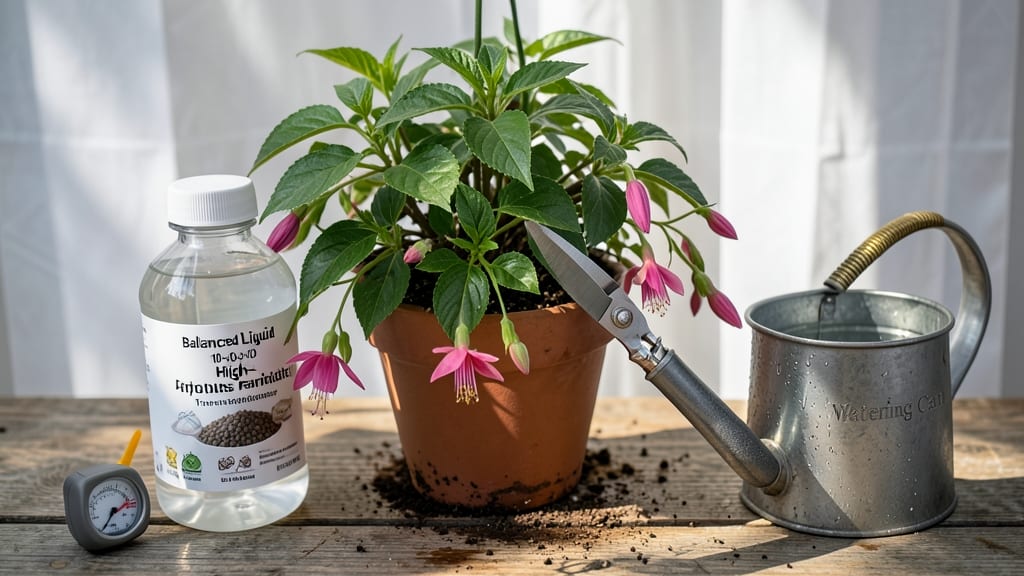
How to keep fuchsia flowering—your plants are practically begging for more blooms, but they’re not listening. 🌸 The secret isn’t complicated: deadheading, sunlight, and a little strategic pruning. I’ve turned my once-sparse fuchsias into a nonstop floral display by following these three simple rules, and you can too.
Most gardeners miss the first clue: overcrowded stems steal energy from flowers. When you see spent blooms, snip them off just above a set of leaves—this redirects the plant’s focus back to producing more buds.
Pair that with 6+ hours of morning sun (afternoon shade in hot climates), and you’ll see new flowers within weeks. The right fertilizer—balanced 10-10-10 in spring, then low-phosphorus once blooming starts—makes all the difference.
By mid-summer, your plants will look like they’ve been pampered. Fuchsias thrive when their stems are pruned back by 1/3 in early spring and again after blooming slows in fall.
The result? A cascade of flowers from May through October—no gaps, no disappointment. Even my black-thumb neighbors’ fuchsias can’t compete.
This method works for hanging baskets, patio pots, or in-ground plantings—just adjust watering to keep soil moist but not soggy. The key is consistency: deadhead weekly, feed monthly, and prune twice a year. Trust me, your fuchsias will thank you with blooms that never quit.
📚 In This Guide
- What you need
- Instructions
- Tips and common mistakes
- Wrapping up and next steps
What you need
- ● Fuchsia plants: Healthy, mature fuchsias (potted or in-ground). Choose varieties like ‘Giant Candy Apple’ or ‘Lady Boothby’ for vibrant blooms.
- ● Pruning shears: Sharp, clean bypass pruners (4–6 inch blades) to avoid crushing stems.
- ● Gloves: Lightweight gardening gloves to protect hands from thorns (some varieties have them!).
- ● Compost or fertilizer: Balanced 10-10-10 or 20-20-20 granular fertilizer (1–2 tbsp per plant) or slow-release pellets.
- ● Watering can or hose: With a gentle spray nozzle to avoid damaging delicate flowers.
- ● Mulch: Organic mulch (e.g., shredded bark or straw) to retain moisture and regulate soil temperature.
- ● Deadheading scissors: Small, sharp scissors for precision trimming (especially for hanging baskets).
- ● Plant supports: Stakes or cages (3–4 feet tall) for trailing varieties like ‘Dicksonii’.
- ● Grow lights: LED grow lights (for indoor fuchsias) to extend blooming season in low-light areas.
- ● Soil test kit: To check pH (ideal range: 6.0–7.0) and adjust with lime or sulfur if needed.
- ● Pest control: Neem oil or insecticidal soap (for aphids, spider mites, or whiteflies).
Tips & tricks for perfect fuchsia care
These pro-level insights will transform your fuchsias from occasional bloomers to nonstop flowering machines.
Precision Deadheading: The 3-5 day window for deadheading is critical—wait too long, and the plant diverts energy to seed production instead of new blooms. I mark my calendar with reminders because that first true leaf below the spent bloom is your exact cutting point. Use your fingernail to pinch stems cleanly rather than snipping with dull scissors, which crushes plant tissue and invites disease.
Light Monitoring: That "bright indirect light" isn't just morning sun—it's about avoiding the harsh afternoon rays that can scorch leaves within hours. I test light conditions by observing leaf color: pale yellow leaves mean too much direct sun; dark green with sparse blooms means too little. Rotate your plants quarter-turn weekly for even light exposure and prevent lopsided growth.
Temperature Buffering: The 50°F threshold isn't just about frost—it's about temperature swings. I keep my fuchsias away from drafty windows and exterior doors where cold air pools. For container growers, use self-watering pots with insulation sleeves during temperature drops below 55°F to maintain root zone stability. A simple thermometer near your plants reveals microclimate variations that can cause bud drop.
Seasonal Transition: The mid-August feeding cutoff isn't arbitrary—it's when day length shortens enough to trigger dormancy. I start tapering fertilizer 2 weeks earlier and reduce watering gradually. This gradual adjustment prevents the shock of sudden dormancy that causes leaf drop. In spring, wait for those fresh leaves (2-3 weeks after last frost) before resuming full care—it's your plant's signal it's ready to flower again.
Pro Tips for Keep Fuchsia Flowering
- These pro-level insights will transform your fuchsias from occasional bloomers to nonstop flowering machines.
- Precision Deadheading: The 3-5 day window for deadheading is critical—wait too long, and the plant diverts energy to seed production instead of new blooms.
- Light Monitoring: That "bright indirect light" isn't just morning sun—it's about avoiding the harsh afternoon rays that can scorch leaves within hours.
Frequently asked questions
Why isn’t my fuchsia flowering at all?
Fuchsias often skip blooming due to lack of light (they need 4–6 hours of direct sun) or over-fertilizing with nitrogen (which promotes foliage over flowers). Check your plant’s location—too much shade or crowded roots can also stall blooms. Try moving it to a brighter spot (but avoid harsh afternoon sun) and switch to a low-nitrogen, bloom-boosting fertilizer.
How often should I deadhead fuchsias?
Deadhead spent flowers daily or every other day during peak bloom (spring to fall) to encourage continuous flowering. Use clean pruners or pinch blooms off by hand. For trailing varieties, focus on removing faded flowers from the bottom third of the plant first to maintain shape. Pro tip: If blooms slow in late summer, give your fuchsia a light trim to refresh growth!
Can I keep fuchsias flowering indoors?
Yes, but they need bright, indirect light (like an east-facing window) and consistent humidity (mist leaves or use a pebble tray). Grow lights help in dim rooms. Avoid cold drafts (below 50°F) and fertilize lightly every 4–6 weeks. Warning: Indoor fuchsias may bloom less than outdoor ones due to lower light and airflow.
What if my fuchsia only blooms once?
Fuchsias often have one major bloom cycle if not deadheaded or pruned. To prolong flowers, trim back leggy stems by 1/3 after the first flush to encourage new growth. Also, ensure they’re not root-bound—repot if roots circle the container. Some varieties (like Fuchsia ‘Giant Marble’) are more prolific with regular care.
Are there any fuchsia varieties that bloom year-round?
No variety blooms truly year-round, but ever-blooming hybrids (like Fuchsia ‘Sunset’ or ‘Becky’) produce near-continuous flowers with deadheading. In mild climates (Zones 8–11), they may bloom lightly in winter. For colder areas, grow them as annuals or overwinter indoors to restart blooming in spring.
Wrapping up and next steps
Keeping your fuchsia blooming beautifully is all about consistent care—deadheading spent flowers, providing the right light, and maintaining proper hydration and nutrition. With these simple steps, your fuchsia will reward you with season-long color and vibrant blooms. 🌸
Now that you’re equipped with the know-how, grab your pruners and get ready to enjoy a stunning, flower-filled display! For extra tips, check out our fuchsia care guide to keep your plant thriving year after year.