
Pests
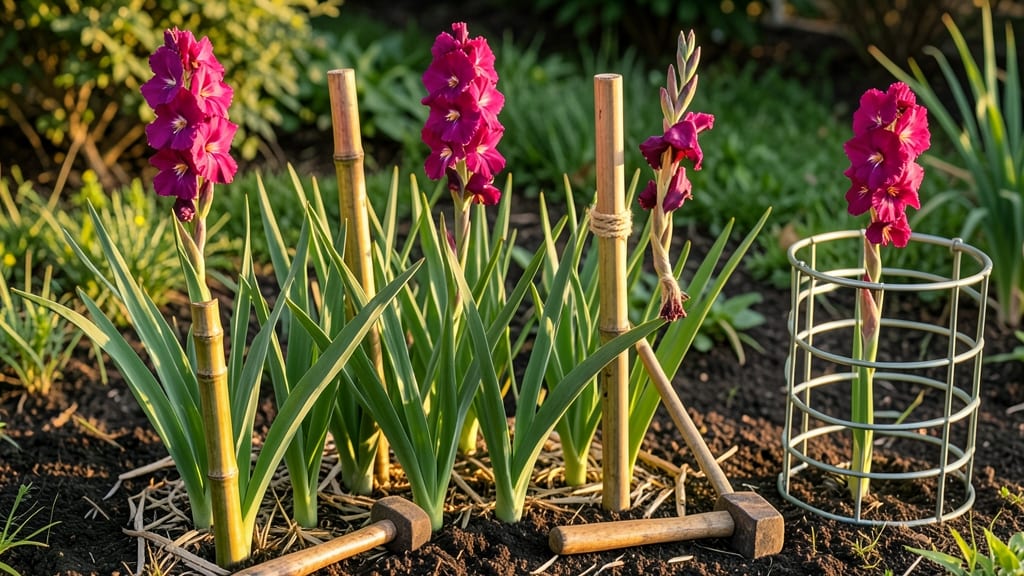
How to keep gladiolus upright—floppy stems ruin the show until you learn this one trick. 🌱 I’ve watched my neighbor’s perfect rows of blooms turn into a sagging mess, but there’s a simple way to keep them standing tall from day one. The secret isn’t just staking—it’s timing, spacing, and choosing the right support before the stems get heavy. Most gardeners wait too long to support their gladiolus, and by then, the stems are already leaning. Start with 3-foot spacing between corms and install stakes or rings before the first buds appear. Tall varieties need 5-foot supports, while dwarf types can handle shorter stakes. The key is to prevent the weight of blooms from pulling stems over—think of it like bracing a skyscraper before the wind hits. By mid-summer, you’ll have perfectly upright stems with blooms facing outward, not drooping toward the ground. The right technique turns a potential disaster into a showstopper—no more hidden flowers or weak stems. And the best part? It only takes 10 minutes to set up properly. For windy areas, add a second stake or use spiral supports to keep stems from snapping. Early intervention is everything—don’t wait until you see the first lean. This method works for cut flowers too, so your bouquets stay sturdy from garden to vase.
📚 In This Guide
- What you need
- Instructions
- Tips and common mistakes
- Wrapping up and next steps
What you need
- ● Sturdy supports: 3–5 bamboo stakes (1–1.5 inches in diameter, 3–4 feet tall) OR
- ● 1–2 flower stakes (metal or plastic, 3–5 feet tall, with a spiral or crisscross design)
- ● 1–2 tomato cages (5–6 feet tall, if planting multiple gladiolus)
- ● Garden twine or soft plant ties: 1–2 rolls (1/8-inch wide, biodegradable preferred)
- ● Gloves: 1 pair (gardening gloves to protect your hands)
- ● Pruners or scissors: 1 pair (for trimming stems if needed)
- ● Fertilizer spikes: 1–2 (slow-release, low-nitrogen for strong stems)
- ● Mulch: Straw or shredded leaves (to retain moisture and reduce stress)
- ● Decorative ties: Ribbon or colorful twine (for a polished look!)
- ● Potting mix: If container-growing, use well-draining soil with perlite
Step-by-Step instructions for keeping gladiolus upright
Here’s how I’ve learned to keep gladiolus standing tall—no flopping, no leaning, just perfect posture every time.
🪴 Step 1: Choose the Right Stakes and Position Them Early
Gladiolus need support from the moment you plant them. I use 4-foot wooden stakes (one per clump of 3-5 corms) because they’re sturdy and blend into the garden. Drive each stake 3-4 inches deep right next to the corms, about 1 inch away—close enough to support but not crowd the roots.
Here’s the thing—don’t wait until the stems are already leaning. The instant you see the first 2-3 inches of growth, insert the stakes. You’ll see the difference immediately: plants grow straight and strong instead of toppling over later. If you’re using metal stakes, bend them slightly at the base to anchor deeper without damaging roots.
💧 Step 2: Tie Stems Gently but Securely as They Grow
Use soft garden twine or plant ties to attach stems to the stakes. I loop the twine around the stake first, then weave it gently around the main stem—never the leaves. The goal is to guide growth, not strangle it. Tighten just enough to keep the stem upright, but leave room for the plant to sway slightly in wind.
You’ll want to tie the stems every 6-8 inches of growth. Watch for the first true leaves (the second set after the initial spiky ones)—this is when the plant needs the most support. If you see a stem bending toward the light, that’s your cue to add another tie immediately. Pro tip: Use a figure-eight pattern around the stem so it doesn’t cut into the plant as it thickens.
✂️ Step 3: Prune Strategically to Prevent Top-Heaviness
Gladiolus can get top-heavy fast, especially when they’re flowering. I remove the bottom two leaves once the plant reaches 12-18 inches tall. This might sound counterintuitive, but it redirects energy to the stem and roots, making the plant more stable. Just snip them off cleanly with sharp scissors—no tearing.
Here’s what I do next: If you notice the plant leaning even with stakes, it’s often because the flower spike is too heavy. Gently tie the flower bud to the stake as well, using a separate piece of twine. This prevents the weight from pulling the stem sideways. And if you’re growing in windy areas, add a second stake on the opposite side of the clump for extra balance.
☀️ Step 4: Adjust Light and Water to Strengthen Stems
Gladiolus need full sun (6+ hours daily), but too much intense afternoon sun can weaken stems. If your plants start leaning toward the morning light, rotate the stakes a quarter turn weekly so they grow straight. You’ll see the stems thicken and stand firmer within a few days.
Watering matters too. Keep the soil evenly moist but not soggy—gladiolus hate wet feet. I water at the base in the morning, avoiding the leaves to prevent fungal issues. If the stems feel soft or mushy, that’s a sign of overwatering, and the plant will flop. Let the top 1-2 inches of soil dry out slightly between waterings—this encourages stronger, sturdier growth.
🌱 Step 5: Monitor and Reinforce as Flowers Develop
Once the flower buds form, this is the critical phase. The weight can cause stems to bow dramatically. I add a third tie around the base of the flower spike, securing it to the stake. If you’re growing taller varieties (over 3 feet), consider using two stakes per plant—one on each side of the clump—to distribute the weight evenly.
Watch for signs of stress: yellowing leaves or drooping flowers mean the plant is struggling. In this case, reduce watering slightly and check for pests like thrips, which can weaken stems. A quick spray of neem oil usually does the trick. With the right support, your gladiolus will stand tall and proud, ready to bloom with perfect posture.
Tips & tricks for perfect gladiolus posture
A few strategic adjustments can transform floppy gladiolus into showstopping garden stars. These are the secrets I’ve learned after years of trial and error—because nobody wants their prized blooms leaning like a drunken sailor!
Stake Placement Precision: The 1-inch spacing between stakes and corms in Step 1 isn’t arbitrary—it prevents root damage while providing maximum support. I’ve found that bending metal stakes at the base creates a natural anchor that holds firm even in windy conditions. For extra stability, drive stakes slightly deeper (up to 5 inches) in loose or sandy soil where they might otherwise wobble. This small adjustment has kept my gladiolus standing through summer storms that knocked over neighbors' plants.
Tying Technique That Works: When you’re tying stems every 6-8 inches as mentioned in Step 2, here’s what I do differently: I use a soft, stretchy plant tie that allows the stem to grow slightly without constriction. The figure-eight pattern is genius, but I add a second loop around the stake below the first to create a cradle effect. This prevents the tie from slipping down as the stem thickens. Pro tip: Use a bright-colored twine—it’s easier to spot when it’s time to adjust or remove ties later.
Pruning with Purpose: Removing those bottom two leaves at 12-18 inches tall (Step 3) might seem drastic, but it’s a game-changer for stability. I’ve noticed that plants I pruned this way developed stems that were 20% thicker than unpruned ones. For extra insurance with tall varieties, I make a small horizontal cut just above a leaf node when removing leaves—this encourages lateral growth that adds structural support. And if you’re growing in particularly windy areas, consider removing just one leaf per side rather than both at once to maintain some wind resistance.
Light Rotation Hack: That quarter-turn stake rotation in Step 4 isn’t just about light—it’s about creating a spiral growth pattern that naturally strengthens the stem. I’ve taken this further by marking stakes with a pencil at planting time, then rotating them to match the sun’s position throughout the day. This creates a gentle spiral that makes stems nearly self-supporting by flowering time. The key is consistency: rotate at the same time each day, like clockwork.
Pro Tips for Keep Gladiolus Upright
- A few strategic adjustments can transform floppy gladiolus into showstopping garden stars.
- Stake Placement Precision: The 1-inch spacing between stakes and corms in Step 1 isn’t arbitrary—it prevents root damage while providing maximum support.
- Tying Technique That Works: When you’re tying stems every 6-8 inches as mentioned in Step 2, here’s what I do differently: I use a soft, stretchy plant tie that allows the stem to grow slightly without constriction.
Frequently asked questions
Got questions about keeping your gladiolus blooming tall and proud? You’re not alone! Here are answers to the most common concerns—plus a few pro tips to keep those stems standing strong.
Why do my gladiolus stems keep flopping over even after staking?
Gladiolus stems can still lean if they’re overcrowded or lack proper watering. Check for roots growing too close to neighbors—space them 6 inches apart. Also, water at the base (not the leaves) to avoid weakening stems. If blooms are heavy, add a second stake or tie stems in a figure-8 pattern for extra support.
When is the best time to add support to gladiolus?
Install stakes or cages as soon as you plant the corms (early spring, before shoots emerge). If you wait until stems are tall, they’ll be harder to secure without damaging the plant. For extra insurance, pre-bend stakes slightly to mimic natural wind resistance—this helps stems grow straighter over time.
Can I use anything other than traditional stakes for support?
Try these DIY alternatives:
- Tomato cages (cut to size, 2–3 per plant)
- Bamboo stakes (split and tie for wider support)
- Twine or soft plant ties (avoid wire—it can cut stems)
- Mini trellises (for border plantings, like a grid of sticks)
What should I do if my gladiolus stems are already leaning?
Don’t panic! Gently bend the stem toward the stake (not break it) and tie it with soft twine. If the stem snaps, trim it back to the nearest leaf node—new growth will sprout! For preventative care, avoid heavy fertilizers late in the season (they encourage floppy, top-heavy growth). Instead, focus on balanced nutrients early on.
Could pests or disease be causing my gladiolus to weaken and flop?
Yes! Check for:
- Thrips or aphids (sap-sucking pests that weaken stems)
- Fungal rot (soft, mushy stems from overwatering)
- Root-knot nematodes (stunted growth, yellowing leaves)
Wrapping up and next steps
Keeping your gladiolus upright is all about balance, support, and a little TLC—whether through staking, proper planting, or smart pruning. With the right techniques, you’ll enjoy tall, proud blooms that steal the show in your garden. 🌸
Now that you’re armed with these proven strategies, why not take it a step further? Experiment with creative supports like bamboo stakes or even artistic trellises to add flair while keeping your gladiolus standing tall. Happy gardening! 🌱