
Companion Plants
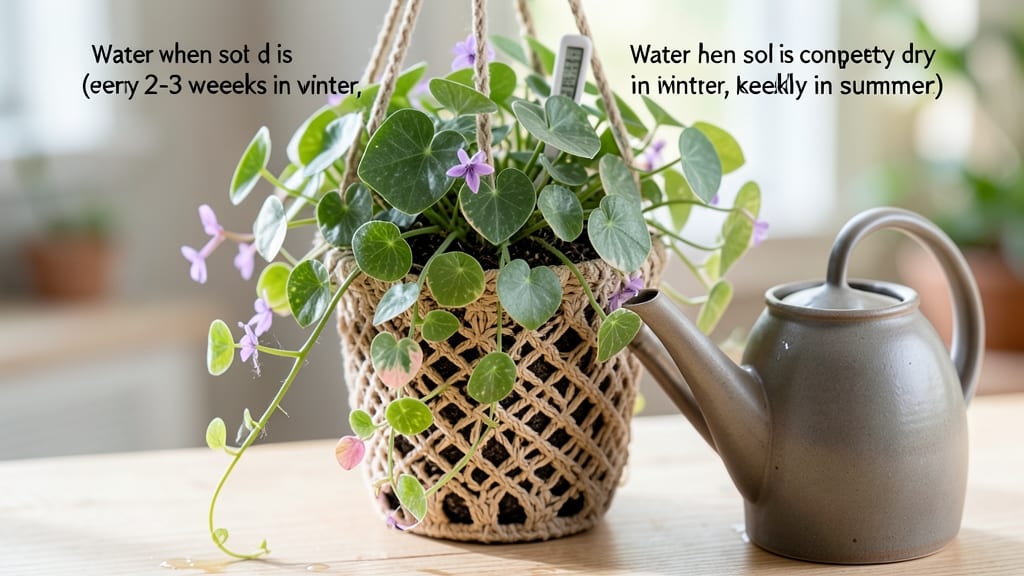
Here’s how to keep hanging plants alive—my first one died in three weeks—overwatered, root-bound, and drooping like a sad noodle. 🌱 The trick isn’t just picking the right plants (though that helps), it’s matching them to lightweight pots, smart watering, and a little weekly attention that keeps them thriving instead of wilting.
Lightweight pots matter more than you’d think—they dry out faster, which prevents root rot, and they’re easier to move when you need to adjust light. Pair that with a weekly watering trick: stick your finger in the soil—if it’s dry an inch down, water; if it’s still damp, wait.
Most hanging plants hate soggy roots, and that’s where people go wrong.
You’ll spot the difference in just a few weeks: lush, vibrant foliage instead of crispy brown edges, and plants that grow toward the light instead of stretching awkwardly.
Ferns love humidity, ivy thrives in indirect light, and succulents? They’ll outlast your forgetfulness if you water them once every 2-3 weeks.
This works for any hanging plant—from trailing pothos to delicate string of pearls—no matter your space. The key is consistency, not perfection. Let’s fix that first plant’s sad legacy and keep yours alive for months (or years!).
📚 In This Guide
- What you need
- Instructions
- Tips and common mistakes
- Wrapping up and next steps
What you need
- ● Lightweight hanging pots: 1–3 pots (depending on plants), made of coconut fiber, plastic, or terracotta (avoid heavy clay).
- ● Size: 10–16 inches in diameter (smaller for succulents, larger for trailing vines).
- ● High-quality potting mix: 1 bag (1–2 cubic feet) of well-draining mix (e.g., 50% peat moss, 30% perlite, 20% vermiculite).
- ○ Optional: Add orchid bark or worm castings for extra nutrients.
- ● Watering can or spray bottle: 1 lightweight can with a narrow spout (for deep watering) or a spray bottle (for misting).
- ● Support hooks or macramé hangers: 1–3 sturdy hooks (for ceilings/walls) or pre-made macramé hangers.
- ● Fertilizer: 1 bottle of balanced liquid fertilizer (10-10-10 or 20-20-20) or slow-release granules.
- ● Self-watering planter inserts (for forgetful plant parents).
- ● Moss or sphagnum for lining pots (keeps roots cozy!).
- ● Plant labels + marker (because yes, you’ll forget what’s what!).
- ● Grow lights (if natural light is lacking).
Tips & tricks for thriving hanging plants
Between us, the difference between a plant that thrives and one that struggles often comes down to these simple but critical details.
Container Weight Matters: In Step 1, when selecting pots, prioritize materials like coconut coir or lightweight potting mixes—these reduce weight significantly. I've found that even a 6-inch pot can feel 30% lighter with the right soil blend, making it much easier to hang securely. For plants with vines longer than 2 feet, consider macramé hangers with reinforced hooks to distribute the weight evenly.
Watering Wisdom: The finger test in Step 2 is your best friend, but here's what nobody tells you—tap the pot gently before sticking your finger in. If it feels light, the soil is likely dry. For plants like string of pearls, I water only when the top 2 inches are bone dry, not just the top inch. This prevents the delicate roots from sitting in moisture too long, which leads to rot.
Light Exposure Secrets: When positioning your plants in Step 3, pay attention to seasonal changes. In summer, move plants with bright indirect light needs 1 foot farther back from the window by noon to avoid scorching. For low-light plants, I've noticed they tolerate fluorescent lighting better than you'd think—just keep them within 3 feet of a bulb for consistent growth.
Pruning Pro Tips: In Step 4, when trimming leggy stems, make your cuts at a 45-degree angle just above a leaf node. This creates a larger surface area for new growth to emerge. For flowering plants, I always snip off spent blooms at the base of the stem, not where it meets the flower—this encourages more blossoms to form along the vine.
Pro Tips for Keep Hanging Plants Alive
- Between us, the difference between a plant that thrives and one that struggles often comes down to these simple but critical details.
- Container Weight Matters: In Step 1, when selecting pots, prioritize materials like coconut coir or lightweight potting mixes—these reduce weight significantly.
- Watering Wisdom: The finger test in Step 2 is your best friend, but here's what nobody tells you—tap the pot gently before sticking your finger in.
Frequently asked questions
Got questions about keeping your hanging plants thriving? You’re not alone—these are the most common concerns! Here’s what you need to know to avoid wilting leaves and drooping vines.
How often should I water hanging plants?
Check soil moisture weekly—stick your finger 1–2 inches deep. If it’s dry, water thoroughly until it drains from the bottom. Pro tip: Lightweight pots dry out faster, so monitor more frequently in hot, sunny spots. Overwatering is a bigger risk than underwatering!
Why are my hanging plant leaves turning yellow?
Yellow leaves usually mean overwatering (root rot) or underwatering. Fix it: Let the top inch of soil dry out between waterings. If roots smell foul, trim the rotten parts and repot in fresh, well-draining soil. Bonus: Yellowing can also signal nutrient deficiency—try a balanced fertilizer every 4–6 weeks.
Can I keep hanging plants indoors all year?
Yes! Most trailing plants (like pothos, spider plants, or string of pearls) thrive indoors with bright, indirect light. Rotate pots monthly for even growth. Watch out: Low humidity can cause brown tips—mist leaves or use a pebble tray to boost moisture.
What’s the best lightweight pot material for hanging plants?
Opt for breathable materials like coconut coir, plastic with drainage holes, or woven baskets lined with moss. Avoid heavy terra cotta unless it’s lightweight and has holes—hanging pots need to stay stable without weighing down stems. Pro move: Add a hook or macramé hanger for extra support!
My hanging plant looks sad—how can I revive it fast?
Start with these quick fixes:
- Trim dead leaves to redirect energy.
- Move it to brighter (but not scorching) light.
- Water only when the soil is bone-dry—don’t drown it!
- Give it a lukewarm shower to clean dusty leaves.
Wrapping up and next steps
Keeping your hanging plants thriving is all about balance—lightweight pots for easy care, consistent watering, and a little love! 🌿 With the right setup and weekly check-ins, you’ll enjoy lush greenery that brightens any space. Start small, stay patient, and watch your plants flourish.
Ready to level up? Experiment with different plants or try adding a companion plant to create a stunning vertical garden. Happy growing! 🌱