
Pests
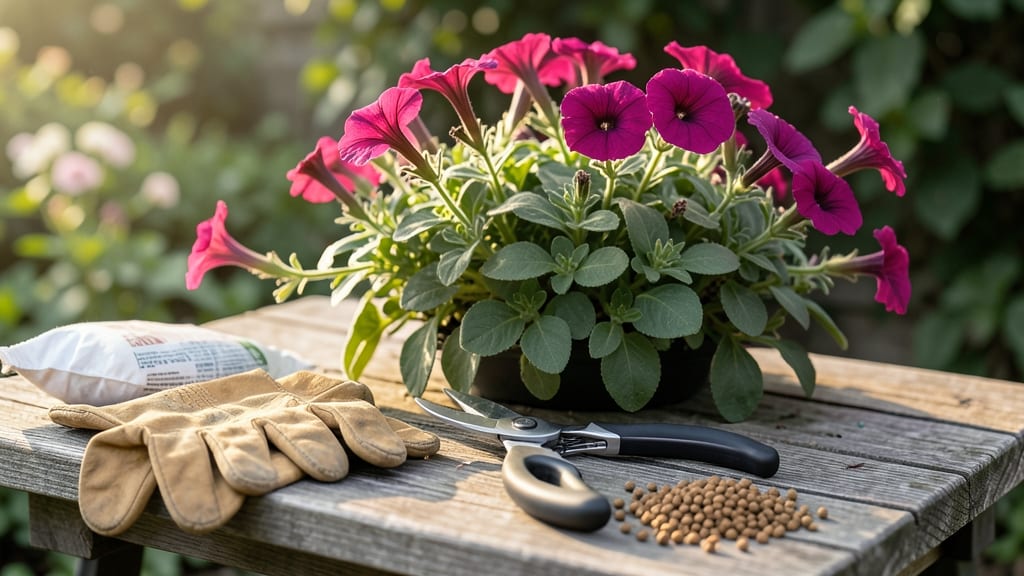
How to keep petunias bushy—your plants could be twice as lush by next week. ✨ The secret isn’t hidden—it’s in the pruning and feeding routine most gardeners skip. I’ve turned leggy, sparse petunias into blooming powerhouses using just two simple techniques: strategic pinching and consistent feeding.
Start by snipping back the growing tips when plants are 6-8 inches tall—this forces them to branch out. Feed with a balanced fertilizer every 2 weeks during growing season, and you’ll see new buds forming within 3-4 weeks.
The key is consistency: don’t overdo it, and never cut more than 1/3 of the plant at once.
By summer’s end, you’ll have compact, overflowing blooms that last until frost. The difference is night-and-day compared to neglected plants. Even my black thumb can’t kill these with the right care.
Works for all petunia varieties—grandifloras, multifloras, and trailing types. Let’s get those shears ready and turn those sparse stems into a bushy paradise!
📚 In This Guide
- What you need
- Instructions
- Tips and common mistakes
- Wrapping up and next steps
What you need
- ● Sharp, clean pruning shears – Bypass pruners (4–6 inch blades) for precision cuts; sterilize with rubbing alcohol before and after use. 🔪
- ● Garden gloves – A pair of nitrile-coated gloves (medium or large) to protect your hands from thorns and dirt. 🧤
- ● Balanced fertilizer – 10-10-10 or 20-20-20 NPK ratio (½ to 1 teaspoon per plant, diluted in water). Look for water-soluble options for quick absorption. 🌿
- ○ Slow-release granules – Osmocote or similar (1–2 tablespoons per plant) for long-term feeding. Optional but ideal for busy gardeners! ⏳
- ● Watering can or hose – With a fine-mist nozzle to avoid disturbing soil or damaging new growth. ☔
- ● Pruning saw – For thick, woody stems (rare in petunias but useful if overgrown).
- ● Plant growth regulator – Paclobutrazol (B-Nine) (1–2 mL per gallon of water) to control leggy growth. Use sparingly!
- ● Mulch – Organic mulch (straw or shredded bark) to retain moisture and reduce weeds.
- ● Plant support stakes – Small bamboo or wire stakes (6–12 inches tall) if your petunias need extra structure.
How to keep petunias bushy: prune and feed for nonstop blooms
Here’s the simple routine I use to keep my petunias full, flowering, and thriving all season long.
🌿 Step 1: Pinch Back Young Plants for Bushier Growth
When your petunias are about 6 inches tall and have 4-6 true leaves, pinch off the top set of leaves with your fingers or clean pruners. This encourages the plant to branch out instead of growing tall and leggy. I always do this right after transplanting, and you’ll see new growth sprouting from the sides within 7-10 days.
Don’t worry if it looks like you’re cutting the plant back—this is exactly what you want. The goal is to create a fuller shape early, so the plant doesn’t waste energy growing upward. If you skip this step, your petunias will stretch toward the sun and produce fewer blooms.
✂️ Step 2: Deadhead Regularly to Encourage More Flowers
Deadheading is the key to keeping petunias blooming nonstop. As soon as a flower fades or wilts, pinch it off just above the next set of leaves or buds. I do this every 2-3 days during peak bloom time, and it makes a huge difference. The plant recognizes that the spent bloom is gone and puts all its energy into producing new flowers instead.
Use clean pruners or your fingers to avoid damaging the stems. If you notice any yellowing leaves or stems while deadheading, snip those off too—they’re signs of stress or disease, and removing them keeps the plant healthy. You’ll see a fresh flush of buds within 5-7 days of consistent deadheading.
💧 Step 3: Feed Weekly for Strong, Bushy Growth
Petunias are heavy feeders, so I fertilize them every 7-10 days with a balanced, water-soluble fertilizer (like 10-10-10 or 20-20-20). Mix the fertilizer according to the package instructions and apply it to the soil, not the leaves. Water the plants thoroughly before and after feeding to prevent root burn.
If your petunias start looking pale or leggy, they’re hungry. A quick boost of fertilizer will perk them right up. I also add a slow-release granular fertilizer at the start of the season to give them a steady supply of nutrients all summer. Avoid over-fertilizing, though—too much can lead to lush foliage but fewer blooms.
☀️ Step 4: Provide the Right Light and Water for Fullness
Petunias need full sun—at least 6 hours daily—to stay bushy and bloom prolifically. If they’re in partial shade, they’ll stretch and produce fewer flowers. I place mine in a spot where they get morning sun and afternoon shade, especially in hot climates. If you notice your petunias leaning toward the light, rotate the pots a quarter turn every few days to keep them growing evenly.
Water deeply once a week, giving them about 1 inch of water per week. Let the top 1-2 inches of soil dry out between waterings to prevent root rot. Overwatering can cause the stems to weaken, leading to a less bushy appearance. If the leaves start to yellow or droop, it’s usually a sign of overwatering or poor drainage.
⏰ Step 5: Prune for Shape and Health Mid-Season
About 6-8 weeks after planting, give your petunias a mid-season trim to maintain their shape and encourage new growth. Cut back any leggy stems by one-third and remove any dead or diseased foliage. This is also a great time to check for pests like aphids or spider mites—spray with a neem oil solution if you spot any.
After pruning, your petunias might look a little sparse for a few days, but they’ll bounce back quickly. The fresh cuts stimulate new growth, and you’ll see bushier, fuller plants within 2-3 weeks. This is especially important if your petunias have gotten woody or sparse from lack of pruning earlier in the season.
Tips & tricks for keeping petunias bushy and blooming
These simple tricks will help you avoid common mistakes and keep your petunias looking their absolute best all season long.
Timing for Pinching: In Step 1, don't rush the first pinch—wait until you see those 4-5 true leaves appear. The first set of leaves (called seed leaves) aren't true leaves, so pinching too early won't give you the branching effect you want. I always check for the second set of leaves before pinching, and I do it twice in the first month to build that strong foundation. The 7-10 days wait for new shoots is worth it for that bushy look!
Deadheading Discipline: Step 2 is where consistency pays off. I've seen petunias go from blooming nonstop to producing seed pods just because deadheading got neglected. Make it a habit to check your petunias every morning—wilting blooms are your signal to act. Use clean pruners and cut just below the faded flower to encourage new buds from that spot. The 2-3 day frequency keeps your plants focused on flowers, not seeds.
Fertilizer Technique: When feeding in Step 3, remember petunias are sensitive to over-fertilizing. Start with half-strength fertilizer to avoid burning those delicate roots, especially if you're using a concentrated formula. I always water thoroughly before applying fertilizer so it gets absorbed properly. The 2 weeks you see results might feel slow, but it's worth the patience for those bigger, brighter blooms. Watch for yellowing leaves—they're your plant's way of saying "I've had enough!"
Pruning for Shape: In Step 4, don't be afraid to get creative with your pruning. Step back and look at your plants from all sides—you're aiming for that full, rounded shape. If one side looks sparse, trim back the opposite side slightly to encourage balance. I always avoid cutting more than ⅓ of the plant at once to prevent stress. Pruning on dry mornings gives those cuts time to heal before evening moisture could cause issues. Think of it as giving your petunias a haircut—they'll thank you with better airflow and fewer fungal problems.
Pro Tips for Keep Petunias Bushy
- These simple tricks will help you avoid common mistakes and keep your petunias looking their absolute best all season...
- Timing for Pinching: In Step 1, don't rush the first pinch—wait until you see those 4-5 true leaves appear. The first...
- Deadheading Discipline: Step 2 is where consistency pays off. I've seen petunias go from blooming nonstop to producin...
Frequently asked questions
Got questions about keeping your petunias lush and full? You’re not alone! Here are some of the most common concerns—and straightforward answers—to help you master the art of bushy petunias.
How often should I prune my petunias to keep them bushy?
Prune your petunias every 2–4 weeks during the growing season (spring to fall). Light trims encourage branching, while heavier cuts (after blooms fade) promote fuller growth. Avoid over-pruning—stick to removing only dead or leggy stems to avoid stressing the plant.
Can I prune petunias in the fall or winter?
Yes, but with caution! Lightly trim only dead or diseased stems in fall to prep for dormancy. Avoid heavy pruning in winter—petunias are typically annuals (or tender perennials) and need rest. If you’re growing them as perennials in mild climates, a very light trim is fine, but hold off until early spring for active growth.
What if my petunias get leggy after pruning?
Leggy growth usually means they need more light or less fertilizer. Move them to a sunnier spot (petunias thrive in 6+ hours of sunlight daily) and switch to a balanced, low-nitrogen fertilizer (like 10-10-10). Pinching back the tips of new growth can also encourage bushier habits.
Are there petunia varieties that stay bushy without much pruning?
Look for grandiflora or multiflora varieties—they naturally grow bushier than trailing types. Dwarf petunias (like ‘Tiny Teddies’) also require less pruning. For zero-maintenance options, try spreading petunias (e.g., ‘Wave’ series), which fill in gaps without heavy trimming.
Why do my petunias look bushy but stop blooming?
Over-fertilizing (especially with high nitrogen) can lead to lush foliage but fewer flowers. Switch to a phosphorus-rich fertilizer (like 5-10-5) to boost blooms. Also, check for pests (aphids, spider mites) or diseases—stressed plants may drop buds. Deadhead spent blooms daily to encourage new flowers!
Wrapping up and next steps
Keeping your petunias lush and bushy is all about consistent care—pruning for shape, feeding for nutrients, and staying vigilant against pests.
With the right techniques, you’ll enjoy nonstop blooms all season long! 🌸 Now that you’re armed with tips, grab those shears and get pruning—your petunias will thank you with vibrant, thriving growth.
Next step: Schedule a quick weekly check to trim, water, and fertilize. Happy gardening! 🌱