
Pests
How to keep squirrels off your fence—it’s easier than you think. 🌿 Those acrobatic bandits hate the smell of cayenne and cloves—two kitchen staples that turn your fence into a no-go zone without harming a single creature.
This isn’t about traps or poison—just a simple, reusable barrier that works for 3-6 months before refreshing. You’ll need cayenne pepper, cloves, a drill, and some twine. No fancy tools, just a little elbow grease and the satisfaction of protecting your garden without cruelty.
The result? Squirrels take one sniff and scamper elsewhere, leaving your veggies, bulbs, and flowers untouched. Your fence stays intact, and you avoid the heartbreak of half-eaten harvests or chewed bark. Best of all, it’s completely safe for pets and wildlife.
Works for chain-link, wood, or vinyl fences—just adjust the spacing. Ready to reclaim your garden? Let’s get started with the simplest solution that actually works.
📚 In This Guide
- What you need
- Instructions
- Tips and common mistakes
- Wrapping up and next steps
What you need
- ● Cayenne pepper or red pepper flakes – 1–2 cups (the hotter, the better!)
- ● Garlic powder or granulated garlic – ½–1 cup (squirrels hate the smell!)
- ● Black pepper – ½ cup (adds extra deterrence)
- ● Water – 1–2 gallons (for mixing into a paste or spray)
- ● Spray bottle or garden sprayer – 1–2 (for even application)
- ○ Plastic or metal mesh strips – Optional but helpful (to contain the spice mix if squirrels dig)
- ● Gloves – 1 pair (to protect your hands from spicy residue!)
- ● Paintbrush or foam brush – 1–2 (for thick application on fences)
- ● Hose with nozzle – 1 (for rinsing off spice mix after application)
- ○ Pet-safe alternative (optional) – Vinegar or citrus peels (if you have pets or kids around)
Step-by-Step instructions for creating a spice-infused squirrel deterrent
Here's my foolproof method to keep squirrels off your fence using natural repellents they absolutely despise.
🌿 Step 1: Gather and Prepare Your Spice Blend
Combine 1 cup cayenne pepper, ½ cup black pepper, ¼ cup red pepper flakes, and ¼ cup crushed garlic in a bowl. These spices create a potent, lingering scent that squirrels find unbearable. I like to add 2 tablespoons of dried mint for extra repellent power—squirrels avoid it like the plague.
Mix thoroughly until the spices are evenly distributed. Store the blend in an airtight container away from direct sunlight. This ensures the spices retain their potency for up to 6 months, so you won’t need to reapply frequently. The key here is consistency—squirrels are smart, and they’ll test your defenses if the scent fades.
💧 Step 2: Apply the Spice Mixture to Your Fence
Dampen your fence lightly with a spray bottle or hose—just enough to make the wood slightly moist, not soaking wet. This helps the spices adhere better and ensures they last longer. I use a soft-bristle brush to apply the spice mixture evenly along the fence, focusing on the top 2 feet where squirrels are most likely to climb or jump.
Pay special attention to corners, posts, and any areas where squirrels might use the fence as a bridge to your garden or bird feeders. Reapply every 2-3 weeks or after heavy rain, as the scent will wash away. If you notice squirrels lingering, give the fence a quick re-coating—they’ll get the message fast.
✂️ Step 3: Reinforce with Physical Barriers (Optional but Effective)
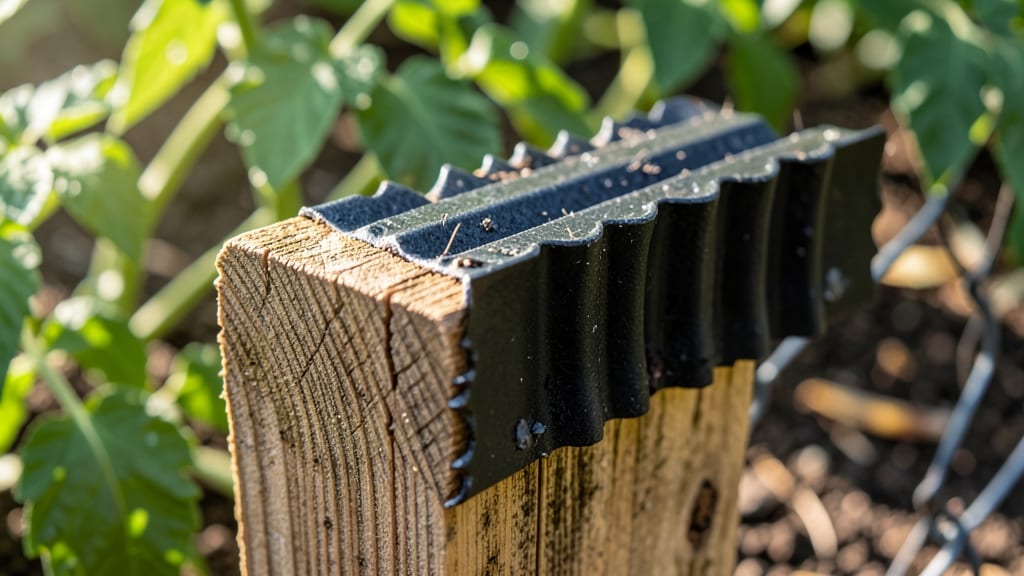
For extra protection, install 1-inch wide aluminum flashing or plastic mesh along the top of the fence. Squirrels hate the slick, noisy surface, and it adds a physical deterrent to your spice barrier. Secure it tightly with staples or screws so it doesn’t become a climbing aid itself.
If your fence is tall enough, consider adding spike strips or pronged deterrents at the top. These aren’t just for aesthetics—they make squirrels think twice before attempting a climb. Combine this with your spice treatment, and you’ll create a multi-layered defense that’s nearly impossible for them to overcome.
☀️ Step 4: Monitor and Refresh as Needed
Check your fence weekly for signs of squirrel activity, like chewed wood, nests, or scratches. If you spot any, it’s time to reapply your spice mixture. I also like to sprinkle a little extra blend near problem areas, like tree branches squirrels use to launch onto the fence.
Real talk: squirrels are persistent, so don’t be surprised if they test your defenses at first. But once they experience the burn and the overwhelming scent, they’ll avoid your fence entirely. If you’re dealing with a particularly bold squirrel, combine this method with motion-activated sprinklers for a one-two punch they won’t forget.
Tips & tricks for creating an effective squirrel deterrent
These battle-tested strategies will help you maximize your spice barrier's effectiveness and keep those pesky squirrels at bay for good.
Spice Blend Potency: For an extra strong deterrent in Step 1, consider adding 1 tablespoon of black peppercorns (crushed) to your blend. The sharp, biting flavor of whole peppercorns adds another layer of repellency that squirrels find particularly offensive. Just be sure to crush them thoroughly so they distribute evenly throughout the mixture.
Application Technique: When applying your spice mixture in Step 2, focus on creating a thick, visible layer—especially along the top 2 feet where squirrels typically launch their attacks. I like to use a small paintbrush for hard-to-reach areas like corners and posts. The more concentrated the scent, the faster squirrels will learn to avoid your fence entirely.
Weatherproofing: To extend the effectiveness between applications, mix a small amount of cornstarch (about 1 tablespoon) into your spice blend before applying. This creates a slightly tacky texture that helps the spices adhere better to the wood, even in light rain. Just be sure to reapply after heavy downpours as instructed.
Scent Reinforcement: For particularly stubborn squirrels, consider adding a few drops of citrus oil (like lemon or orange) to your spice mixture. The strong citrus scent works synergistically with the spices to create an even more potent repellent. Just use sparingly—you want the smell to be overpowering, not overwhelming for you!
Pro Tips for Keep Squirrels Off Fence
- These battle-tested strategies will help you maximize your spice barrier's effectiveness and keep those pesky squirrels at bay for good.
- Spice Blend Potency: For an extra strong deterrent in Step 1, consider adding 1 tablespoon of black peppercorns (crushed) to your blend.
- Application Technique: When applying your spice mixture in Step 2, focus on creating a thick, visible layer—especially along the top 2 feet where squirrels typically launch their attacks.
Frequently asked questions
Got questions about keeping squirrels off your fence? You’re not alone! Here are some of the most common concerns—and practical answers—to help you create a squirrel-proof barrier without the hassle.
Will cayenne pepper or hot sauce really work, or is that just a myth?
No myth here! Squirrels have a strong sense of smell and hate spicy scents. Cayenne pepper, hot sauce, or even red pepper flakes mixed with water create a natural deterrent. Just reapply every few days after rain—it washes away! For extra staying power, blend it with dish soap to help it stick.
How often do I need to reapply spicy solutions to my fence?
Rain, wind, and squirrels’ curious noses can dilute or remove your spicy barrier. Aim to reapply every 3–5 days for maximum effectiveness. If your fence is in a shaded or sheltered area, you might stretch it to a week. Pro tip: Use a spray bottle for quick touch-ups—no ladder needed!
Are there non-spicy alternatives if I don’t want to use cayenne or hot sauce?
Try these squirrel-repelling swaps:
- Predator urine (coyote or fox): Mimics natural threats—just avoid household pets’ urine!
- Essential oils: Peppermint, eucalyptus, or citrus oils (diluted with water) confuse their scent trails.
- Physical barriers: Chicken wire or plastic netting wrapped around fence posts makes climbing nearly impossible.
What if squirrels keep coming back even after I’ve treated the fence?
Persistence pays off! If they’re still sneaking by, try these troubleshooting steps:
- Check for entry points like gaps under gates or loose boards—seal them with hardware cloth.
- Move food sources (bird feeders, pet food) at least 10 feet away from the fence.
- Combine methods: Spicy spray + physical barriers + noise deterrents (like wind chimes).
Is this cheaper than hiring a pest control service?
Yes! DIY spicy sprays and barriers cost $10–$20 for materials (pepper, spray bottles, etc.), while professional pest control for squirrels can run $100–$300+. Plus, you avoid chemicals and get to enjoy the satisfaction of outsmarting those bushy-tailed troublemakers. Win-win!
Wrapping up and next steps
Keeping squirrels off your fence doesn’t have to be a battle—just a little spice and strategy! 🌶️ By using natural repellents like cayenne pepper, garlic, or predator urine, you’ve got a squirrel-proof solution that’s safe, effective, and budget-friendly. Plus, it’s a win for your garden and your sanity!
Ready to reclaim your fence? Start small: test one section first, observe the results, and expand as needed. With persistence, you’ll have those bushy-tailed troublemakers running for the hills—away from your property! 🏡✨