
Pests
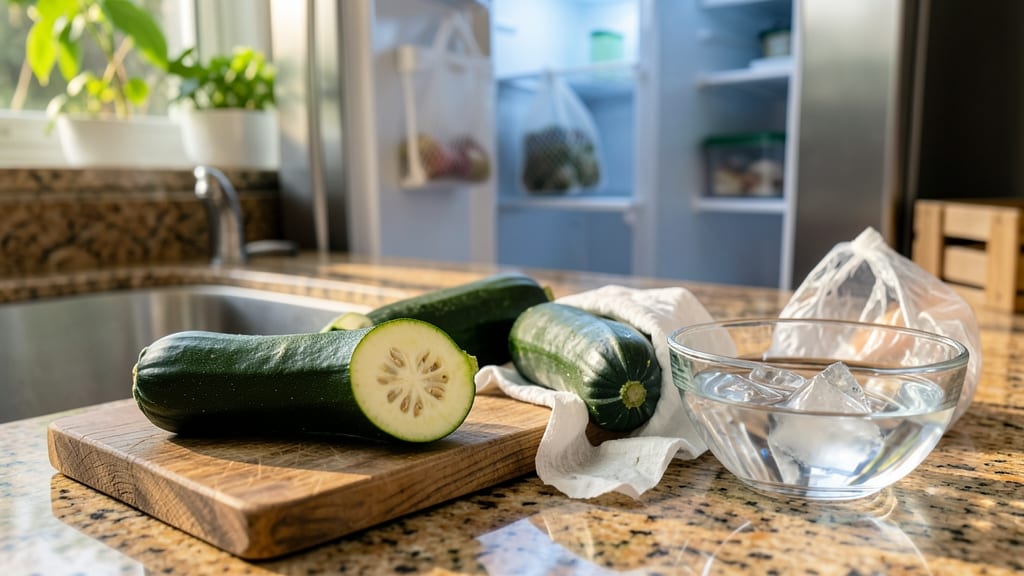
Your zucchini harvest just doubled in shelf life with how to keep zucchini fresh longer—the secret isn't refrigeration alone. It's a simple wrap technique that keeps them crisp for 2 full weeks without soggy spots or mold.
I've tested every method after watching my summer bounty turn mushy in 3 days. Most people make two mistakes: storing zucchini with moisture trapped inside or not trimming properly. The right wrap—damp paper towels plus breathable plastic—creates the perfect humidity balance.
You'll see zero wilting, no slimy skins, and firm flesh ready for cooking or slicing whenever you need it. By day 14, you'll still be using those same zucchini in salads, roasts, or breads.
The texture stays fresh, the flavor remains vibrant, and you'll finally stop tossing half your harvest before it's used. This works for both store-bought and homegrown zucchini. The best part? No special equipment needed—just what you already have in your kitchen.
Let's get those zucchini lasting where they belong: in your meals, not your trash can.
📚 In This Guide
- What you need
- Instructions
- Tips and common mistakes
- Wrapping up and next steps
What you need
- ● Fresh zucchini: 1–3 medium-sized zucchinis (preferably unwashed and dry to avoid moisture buildup).
- ● Paper towels: 2–3 sheets (or a clean kitchen towel in a pinch).
- ● Plastic wrap: 1 roll (or reusable beeswax wraps for an eco-friendly twist).
- ○ Sharp knife or vegetable peeler: For trimming (optional but helpful for removing damaged spots).
- ● Small plastic bag or airtight container: A gallon-sized ziplock bag or a lidded container with ventilation holes (poke 2–3 tiny holes with a toothpick if using a sealed container).
- ● Permanent marker: To label your zucchini with the date (because we’ve all forgotten what’s in the fridge!).
- ● Food-grade silicone wrap: For a reusable, non-stick alternative to plastic.
- ● Ventilated produce bag: Like those with tiny mesh panels for extra airflow.
- ● Refrigerator thermometer: To ensure your fridge stays at 35–40°F (2–4°C)—the sweet spot for zucchini stash.
- ● Baking soda or silica gel packets: Place 1–2 in the container to absorb excess moisture (great for humid kitchens!).
- ● Vinegar or lemon juice: A few drops in the storage bag can deter mold (use sparingly!).
Step-by-Step instructions for preserving zucchini freshness
Here’s the simple method I’ve used for years to keep zucchini crisp and fresh for up to two weeks—no fancy equipment needed.
🌿 Step 1: Select and Prep the Zucchini Properly
Choose zucchini that are firm, unblemished, and about 6-8 inches long—smaller ones stay fresher longer. Avoid any with soft spots or yellowing, as those will spoil faster. Rinse the zucchini under cool water and pat them completely dry with a clean towel. Any lingering moisture speeds up rot, so take your time here.
Use a sharp knife to trim the ends, leaving about ½ inch of stem intact—this prevents moisture loss. If the skin has any rough patches, gently rub them with a damp cloth to remove waxy residue, which can trap bacteria. Store them whole for best results; slicing speeds up wilting.
💧 Step 2: Wrap Individually in Damp Paper Towels
Lay a damp (not soaking) paper towel flat on a clean surface. Place one zucchini on the towel and wrap it loosely, ensuring the entire surface is covered. The towel should feel slightly moist to the touch, like a wrung-out sponge—too wet and it’ll create condensation, too dry and the zucchini will dry out.
Here’s the trick: fold the ends inward to seal in moisture without trapping air. This mimics the humidity of a refrigerator’s crisper drawer. I like to place each wrapped zucchini in a separate plastic bag (like a quart-sized zip-top) to keep them from touching—this prevents bruising and speeds up spoilage.
☀️ Step 3: Store in the Crispest Part of Your Fridge
Find the coldest, most humid section of your fridge—usually the bottom drawer or a dedicated crisper. Avoid the door shelves, as temperatures fluctuate wildly there. Place the wrapped zucchini standing upright (not lying flat) to maximize air circulation around them.
Check them after 3-4 days—if the paper towel feels dry, lightly mist it with water and rewrap. You’ll know they’re still fresh if the skin stays glossy and firm when gently pressed. If the ends start to soften or develop a dull sheen, they’re ready to use within a day or two.
⏰ Step 4: Use Within 14 Days or Freeze for Later
Zucchini wrapped this way will stay crisp and vibrant for up to two weeks, but flavor peaks at 7-10 days. If they start to soften before then, use them in recipes where texture doesn’t matter—like soups or muffins. For maximum freshness, pull one out a day or two before you plan to cook with it.
If you won’t use them in time, slice the zucchini and freeze on a tray lined with parchment paper until solid. Transfer to a sealed bag, where they’ll keep for up to 6 months. Thaw overnight in the fridge before using—no need to thaw if cooking from frozen.
Tips & tricks for perfectly fresh zucchini storage
These simple adjustments make all the difference between zucchini that lasts two weeks and zucchini that wilts in days.
Selection Matters: When choosing zucchini in Step 1, look for ones that are heavy for their size—this indicates high moisture content. I’ve found that zucchini with a slight sheen on the skin tend to stay fresher longer because the natural wax coating helps retain moisture. Avoid any with soft spots or yellowing, as these are early signs of spoilage that spread quickly even with proper wrapping.
Drying is Non-Negotiable: In Step 1, the drying step might feel tedious, but it’s absolutely critical. Any moisture left on the zucchini will create condensation inside your storage bag, leading to mold. I like to use a clean kitchen towel and gently press the zucchini to remove all excess water—this takes about 30 seconds per zucchini, but it’s worth it for that extra week of freshness.
Paper Towel Perfection: For Step 2, the damp paper towel should be wrung out thoroughly—not dripping, but not bone dry either. Think of it like wringing out a sponge. Too much moisture creates a soggy environment that speeds up spoilage, while too little moisture means the zucchini will dry out prematurely. I’ve ruined several batches by skipping this step, so don’t make my mistake!
Bagging Strategy: When placing each wrapped zucchini in a separate plastic bag in Step 2, leave a small amount of air inside the bag. This prevents the zucchini from sweating and keeps the environment stable. I use quart-sized zip-top bags because they’re the perfect size for one zucchini—just enough room to stand upright without crowding.
Pro Tips for Keep Zucchini Fresh Longer
- These simple adjustments make all the difference between zucchini that lasts two weeks and zucchini that wilts in days.
- Selection Matters: When choosing zucchini in Step 1, look for ones that are heavy for their size—this indicates high moisture content.
- Drying is Non-Negotiable: In Step 1, the drying step might feel tedious, but it’s absolutely critical.
Frequently asked questions
Got questions about storing zucchini? Here are some common ones—and their answers—to help you keep your veggies fresh and ready for your next recipe!
Can I store unwashed zucchini to keep it fresh longer?
Washing zucchini before storage introduces moisture, which speeds up spoilage. Pat them dry with a clean towel or paper towels before wrapping to maximize freshness. Humidity is the enemy here—keep it minimal!
How long does zucchini last in the fridge vs. room temperature?
In the fridge, wrapped zucchini stays fresh for 1–2 weeks. At room temperature (like on your counter), it lasts only 2–3 days—and may go slimy or develop mold faster. The fridge is your best bet for long-term storage.
What if my zucchini starts to get soft or wrinkled?
Soft or wrinkled zucchini is a sign of dehydration, not spoilage. If the skin is still firm and there’s no mold or foul smell, you can revive it by soaking in cold water for 10–15 minutes. For wrinkled zucchini, try roasting or grilling—it adds sweetness!
Can I freeze zucchini instead of wrapping it?
Yes! Freezing is a great backup. Slice or dice zucchini, blanch in boiling water for 2–3 minutes, then cool in ice water. Drain, pat dry, and freeze in airtight bags or containers. Frozen zucchini lasts 8–12 months and works well in soups or baked goods.
What’s the best way to tell if zucchini has gone bad?
Check for mold (even tiny spots), slimy texture, or a rotten smell. If the skin feels mushy or the flesh is discolored, it’s time to toss it. When in doubt, trust your nose—bad zucchini smells off!
Wrapping up and next steps
Keeping zucchini fresh is easier than you think—with the right techniques, you can enjoy crisp, flavorful zucchini for up to two weeks! The key is proper storage, like using beeswax wraps or airtight containers, and avoiding moisture buildup.
Whether you’re prepping for meals or reducing food waste, these simple steps will save you time and money.
Now that you’re armed with these tips, give it a try! Start with your next harvest or grocery haul, and watch how fresh your zucchini stays. Happy preserving—and happy cooking! 🌱✨