
Watering
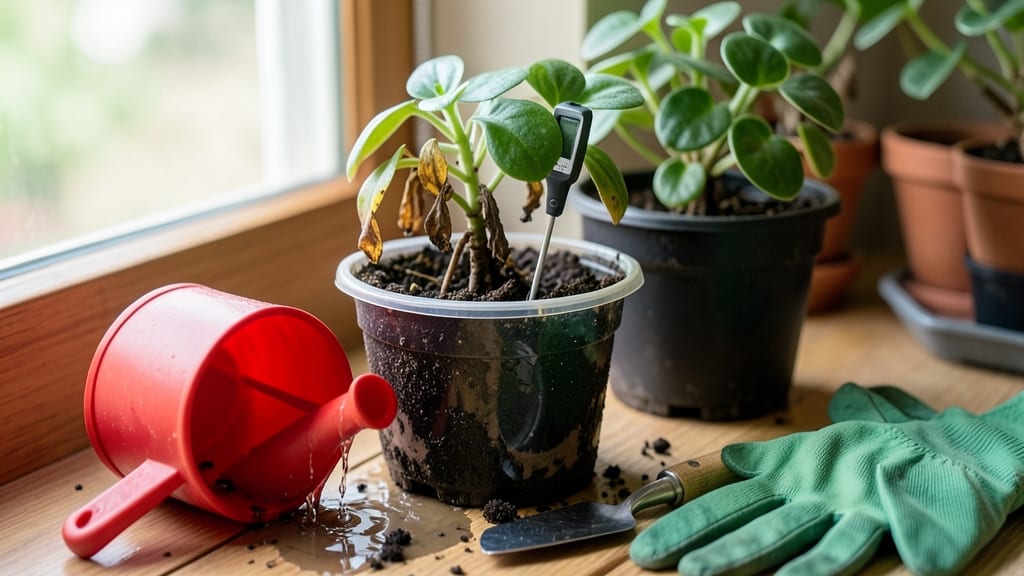
How to know if plants are overwatered—your plants might be drowning, not thriving. 🌱 The first sign often sneaks up when leaves turn yellow and mushy, or when soil smells sour instead of fresh. I've seen beginners drown their houseplants in good intentions, and even seasoned gardeners fall into this trap when spring rains keep coming. The real damage happens below ground: roots suffocate in soggy soil, turning brown and slimy, while mold creeps up stems like a gray blanket. Your pothos might wilt despite "wet" soil, or your tomatoes could drop blossoms because their roots can't breathe. The fix starts with your finger—stick it in the soil before watering again. By adjusting your watering schedule, improving drainage, and pruning affected leaves, you'll see plants perk up within days. The key is matching water to your plant's needs—not your calendar. Even my black-thumb days turn around when I follow these simple steps. This works for houseplants, garden beds, and containers alike. Let's revive those struggling plants before it's too late!
The Hidden Triggers Behind Overwatering
Overwatering isn’t just a gardening mistake—it’s a silent killer of plants, often disguised as care and love. But why does it happen so frequently? The truth lies in a mix of human habits, environmental factors, and even plant biology. Let’s break down the real culprits behind the soggy soil syndrome.
Not all soil is created equal, and some holds onto water like a sponge that refuses to let go. Clay-heavy or compacted soil has tiny particles packed tightly together, leaving little space for air and water to escape.
When you water, the excess sits in the root zone instead of draining away, suffocating roots and inviting fungus.
Even well-draining soil can act like a swamp if it’s overworked or lacks organic matter. Amendments like compost or perlite can help, but until you fix the foundation, your watering efforts may just be drowning your plants.
Sticking to a rigid watering schedule—like every morning at 8 AM—can be a disaster if it doesn’t match your plant’s needs. Overwatering often happens when:
- You ignore weather changes: Rainy days turn your soil into a mud pit, but many gardeners keep watering as usual. A simple check with your finger (1-2 inches deep) can tell you if extra water is needed.
- You assume "more is better": Some plants, like succulents or cacti, thrive on drought and can rot in consistently moist soil. Others, like ferns, love humidity but still need well-draining pots.
- You’re using the wrong method: Drip irrigation or overhead watering can lead to runoff, leaving roots waterlogged while the topsoil dries out. Slow, deep watering (like soaking the base until it drains) is far more effective.
💡 Pro Tip: Invest in a moisture meter ($10–$20) to take the guesswork out of watering. It measures soil moisture in real time, so you’ll never overdo it again.
Pots without drainage holes are a classic overwatering trap. Water pours in, but there’s no escape—roots sit in a soggy prison, starved for oxygen. Even if your plant seems fine at first, root rot can set in within days, turning healthy roots into mushy, brown sludge.
But it’s not just about holes. Small or shallow pots dry out faster, tempting you to water more frequently. Meanwhile, terracotta pots (which breathe) can dry out too quickly, while plastic pots (which retain moisture) can turn into waterlogged death traps if not monitored.
🔥 Fix It: Always use pots with drainage holes, and elevate them on saucers to prevent water from pooling at the bottom.
Humidity, temperature, and even wind play sneaky roles in overwatering. Here’s how:
| Factor | How It Causes Overwatering | Solution |
|---|---|---|
| 🌫️ High Humidity | Moist air slows evaporation, keeping soil damp longer. Tropical plants may love it, but succulents will rot. | Reduce watering frequency by 20–30% in humid climates. |
| ☀️ Low Light Conditions | Plants photosynthesize less, so they transpire (release water) slower. Soil stays wet longer, inviting rot. | Move plants to brighter spots or water less often. |
| 🌬️ Wind or Poor Airflow | Wind can dry out leaves but also evaporate water faster from soil, tricking you into overcompensating. | Use mulch to retain moisture and monitor soil, not just leaves. |
🌡️ Pro Tip: Group plants with similar water needs together. A fern next to a cactus is a recipe for disaster—one will drown while the other wilts.
Let’s be honest—most overwatering is self-inflicted. Here are the biggest offenders:
- Loving Too Much: Watering because "it looks thirsty" (when really, it’s just drooping from underwatering). Yellow leaves ≠ always overwatered—check the roots!
- Ignoring Plant Signals: Wilting isn’t always a cry for water—sometimes it’s root suffocation. Wait 24 hours before watering again.
- Using Ice Cubes or Mist Sprays: While trendy, these methods often don’t reach the roots and can create a humid microclimate that encourages mold.
- Over-Reliance on "Rules of Thumb": "Water every 3 days" is useless without knowing your soil, pot, and plant type. Always check the soil first!
✨ Actionable Fix: Before watering, do the finger test: Stick your index finger 1–2 inches into the soil. If it’s damp, wait. If it’s dry, water deeply until it runs out the drainage hole.
Revive & Prevent Overwatering Damage
Now that you’ve spotted the signs, it’s time to act fast—but don’t panic! Most overwatered plants can bounce back with the right care. Below, we’ll match your plant’s symptoms to targeted fixes, plus prevention tips to keep your green babies thriving.
Think of this as your plant’s emergency room visit—follow the steps, and they’ll be back to their happy, hydrated selves in no time!
Cause: Roots drowning in soggy soil, cutting off oxygen. Solution:
- 🔥 Step 1: Stop Watering Immediately Let the soil dry out completely before watering again. Stick your finger 1–2 inches deep—if it’s damp, wait.
- 🍳 Step 2: Repot in Well-Draining Soil If the pot lacks drainage holes, repot ASAP into a container with holes. Mix in perlite or sand (20% of the soil) to improve aeration.
- 👨🍳 Step 3: Trim the Damage Snip off yellow or mushy leaves with clean scissors. Healthy green leaves will regrow faster.
- 🌡️ Pro Tip: Move your plant to a brighter spot (but avoid harsh sunburn). Overwatered plants often suffer from weak roots and need light to recover.
Prevention: ✅ Water only when the top 1–2 inches of soil are dry. ✅ Use self-watering pots with moisture sensors to avoid guesswork. ✅ Group plants with similar water needs to streamline care.
Cause: Fungal or bacterial infection from excess moisture. Solution:
- 🔪 Step 1: Sterilize the Pot Scrub the pot with 10% bleach solution (1 part bleach to 9 parts water) to kill pathogens. Rinse well.
- 🌱 Step 2: Prune the Plant Ruthlessly Cut away blackened or squishy stems down to healthy tissue. Use sterilized pruners to prevent spreading disease.
- 💡 Step 3: Replant in Fresh, Sterile Soil Use a fungicide-treated potting mix or make your own by baking soil in the oven at 200°F for 30 minutes to kill fungi.
- 🎯 Step 4: Adjust Watering Habits Switch to the "finger test"—only water when the soil feels dry like a slightly damp sponge.
Prevention: ✅ Disinfect tools between plants (rubbing alcohol works). ✅ Avoid watering at night—moisture lingers longer in cooler temps. ✅ Use terracotta pots (they dry faster than plastic).
Cause: Roots can’t absorb water due to compacted soil or poor aeration. Solution:
- 🌧️ Step 1: Fluff the Soil Gently Use a wooden chopstick or fork to loosen soil around roots without damaging them. This helps water penetrate.
- 💧 Step 2: Water Lightly & Frequently Instead of deep soaks, give short, shallow waterings every 2–3 days to encourage root growth.
- 🌿 Step 3: Fertilize Lightly Add a balanced, water-soluble fertilizer (like 10-10-10) to boost recovery. Too much fertilizer can worsen edema.
Prevention: ✅ Avoid compacting soil when repotting—use your hands to create air pockets. ✅ Mulch with orchid bark or coconut coir to improve soil structure.
Cause: Overwatering + low humidity or too much direct sun stresses the plant. Solution:
- ☀️ Step 1: Move to Indirect Light Place your plant 3–6 feet from a window (south or west-facing works best). Avoid harsh afternoon sun.
- 💦 Step 2: Increase Humidity Set the pot on a pebble tray with water or use a humidifier nearby. Mist leaves lightly in the morning.
- 🌡️ Step 3: Trim Damaged Foliage Snip off crispy or brown edges to redirect energy to new growth.
Prevention: ✅ Group plants together to create a microclimate with higher humidity. ✅ Use a hygrometer to monitor humidity—ideal range is 40–60% for most houseplants.
No matter the symptom, follow this quick recovery plan:
- Stop watering until soil is dry.
- Repot if needed (especially if roots are rotting).
- Prune dead tissue to prevent further decay.
- Adjust light & humidity based on the plant’s needs.
- Monitor progress—healthy roots will show in 2–4 weeks!
💡 Final Pro Tip: Keep a watering journal! Note when and how much you water each plant. Over time, you’ll spot patterns and personalize care like a pro.
Remember: Overwatering is reversible—most plants forgive mistakes if you act quickly. Now go rescue those roots! 🌱💚
Frequently asked questions
Why do my plant leaves turn yellow when I water regularly?
Yellow leaves often signal overwatering, but not always! Check the soil first—if it's soggy or smells sour, you're likely drowning your plant. However, yellowing can also mean nutrient deficiencies or natural leaf aging. The key difference? Overwatered leaves feel mushy when touched, while dry leaves stay crisp.
Can I save a plant with black stems or mold?
You might still save it with quick action! First, cut off all blackened stems down to healthy green tissue using sterilized scissors. Repot in fresh, well-draining soil and let the roots dry out completely before watering again. For severe cases, consider a fungicide treatment to prevent spread.
How often should I water my houseplants?
There's no one-size-fits-all answer—it depends on your plant type and environment! For most houseplants, wait until the top 1-2 inches of soil feel dry to the touch. Succulents need water every 2-3 weeks, while tropical plants may need weekly watering. Always check soil moisture before watering.
What's the best way to check if my plant is overwatered?
The ultimate test is the root check! Gently remove your plant from its pot and examine the roots. Healthy roots are firm and white, while overwatered roots turn brown, mushy, and smell foul. If you see this, trim the bad roots and repot in fresh, dry soil before watering again.
Will my plant recover from overwatering damage?
Many plants can bounce back if you act quickly! The key is stopping water immediately and improving drainage. Most plants show recovery signs within 2-4 weeks—new growth appears, and leaves regain their color. However, severe root rot may require professional help or unfortunately mean the plant can't be saved.