
How To
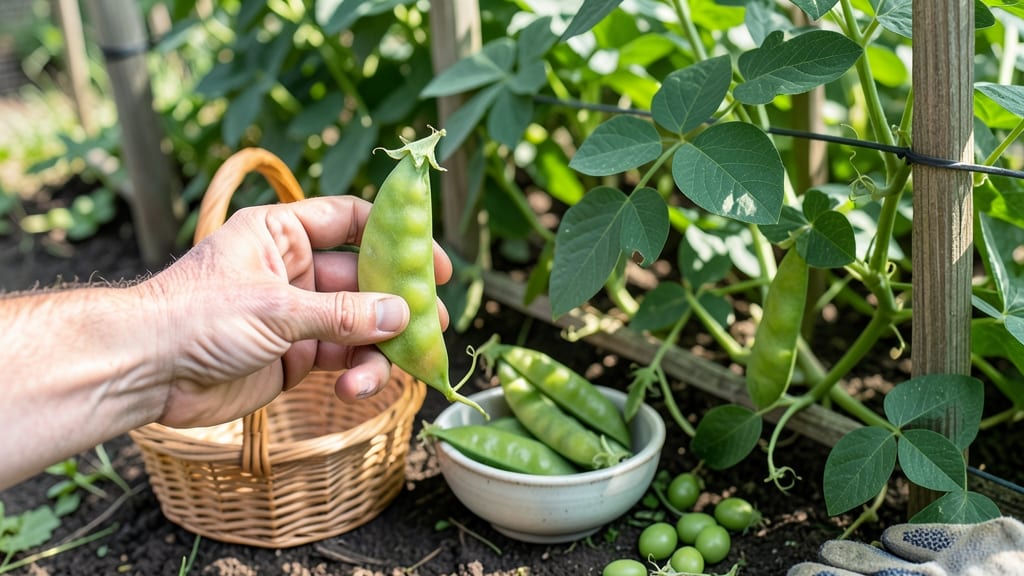
How to know when peas are ready to pick can transform your garden harvest from ordinary to extraordinary—if you spot the right moment. Most gardeners miss the peak because they focus on days after planting rather than visual cues, but peas actually send clear signals when they’re begging to be picked. 🌱 Those bright green pods you’ve been watching grow aren’t just getting bigger—they’re changing in subtle ways that tell you the perfect time to harvest. I’ve learned the hard way that waiting just a few extra days can turn crisp, flavorful peas into tough, stringy disappointments. The key is checking for three specific signs that most gardeners overlook, and I’ll show you exactly what to look for.
Whether you’re growing snap peas, snow peas, or shelling peas, the same basic rules apply—but there are variety-specific tricks that make all the difference. From pod size to seed visibility to that all-important snap test, these visual cues will help you harvest at peak freshness.
Let me walk you through the exact steps so you never miss another perfect pea again.
Environmental factors like temperature and sunlight can also shift your harvesting timeline, so we’ll cover how to adjust your approach based on your local growing conditions. By the end, you’ll know not just when to pick, but how to keep your pea plants producing all season long—no guesswork required.


3 Visual cues to identify perfectly ripe peas (don’t miss these!)
Peas are ready to pick when they reach their peak sweetness and texture—but spotting that exact moment requires paying attention to three key visual cues. Unlike many vegetables, peas don’t ripen after being harvested, so timing is everything.
I’ve learned the hard way that waiting even a day too long turns crisp pods into tough, stringy messes. Let’s break down the 3 non-negotiable signs your peas are ready, plus how they differ by variety.
First, focus on pod size. For most garden peas, the ideal length is between 2 to 2.5 inches. This is when they’re plump and full of flavor.
Smaller pods (under 1.5 inches) are still immature, while larger ones become fibrous. Snow peas and snap peas are exceptions—they should be harvested when flat and tender, around 2 to 3 inches long, before the seeds inside swell.
Next, check the color and texture of the pods. Ripe peas should be a vibrant, bright green—never yellowing or dull. Gently squeeze a pod: it should feel firm and crisp, almost snapping when you bend it slightly.
If it feels soft or mushy, it’s past its prime. For shelling peas, the seeds inside should be visible but not bulging against the pod walls.
Here’s where many gardeners go wrong: they overlook the seed visibility test. For shelling peas, peek inside the pod—if the seeds are clearly visible but not overly large (filling the pod), it’s time to harvest.
If the seeds are tiny or barely there, the peas need more time. For snap peas, the seeds should be small and barely noticeable when the pod is fully grown.
Variety matters! Snow peas and snap peas are harvested when the pods are flat and tender, often before seeds develop. These types should be picked when they’re bright green and slightly curved, with no sign of thickening.
In contrast, shelling peas should have fully formed seeds but not yet filled the pod. I always check the pods every 2–3 days during peak season to avoid missing the window.
Don’t forget to inspect the plant itself. Healthy pea plants will continue producing new pods if you harvest regularly. If the leaves start yellowing or the pods feel tough and woody, you’ve waited too long.
Overripe peas not only lose flavor but also signal the plant is shifting energy toward seed production, reducing future yields.
One mistake I see often is relying solely on days after planting. While most peas mature in 60–70 days, environmental factors like temperature and sunlight can speed up or slow down ripening.
For example, cooler spring weather may delay maturity, while warm summer days can rush the process. Always prioritize visual cues over calendar dates.
To test readiness, pick a few pods and taste them. The best peas should be sweet, crisp, and tender with minimal fiber. If they’re bitter or tough, they’ve passed their prime.
Pro tip: Store harvested peas in the fridge for up to 5 days to preserve freshness, but eat them as soon as possible for peak flavor.
Now that you know the visual cues, grab your garden shears and start harvesting! Remember, frequent picking encourages more production, so don’t wait until the pods are overgrown. Your future salads (or stir-fries!) will thank you.
3 Visual cues to identify perfectly ripe peas (don’t miss these!)
Pea pods mature quickly, so checking them every 2-3 days is key to catching them at peak ripeness. The three most reliable visual cues—size, color, and texture—vary slightly depending on whether you're growing shelling peas, snap peas, or snow peas.
Ignoring these signs means risking tough, fibrous pods that lose their sweetness faster than you can say "harvest time."
For shelling peas, the pods should reach 2-2.5 inches long and turn a vibrant, bright green color. The pods should feel firm but not hard, with seeds inside that are visible but not bulging.
If you wait too long, the pods will thicken, and the peas inside will start to shrivel—ruining the tender texture you’re after.
If you're growing snap peas, aim for pods that are 1.5-2 inches long and still flat or slightly curved. For snow peas, wait until they reach 2-3 inches but remain thin and tender—these are harvested before the seeds swell.
Pro tip: Pinch-test pods by gently squeezing them. They should yield slightly but not collapse under pressure.
Environmental factors like temperature and sunlight can speed up or slow down ripening. Cooler weather (ideal for peas) keeps pods tender longer, while hot spells can cause them to mature faster.
Always check pods in the morning after dew has dried—this is when they’re at their crispest and easiest to evaluate.
One overlooked cue is the plant’s overall health. If leaves turn yellow or pods start dropping, your peas are either overripe or stressed. Regular harvesting actually encourages more production, so don’t hesitate to pick frequently.
The more you harvest, the more your pea plants will reward you with fresh pods!
Remember: Timing is everything with peas. A pod that’s just right will deliver the sweetest, most tender flavor—worth the effort to check daily. Grab your gloves, head to the garden, and start testing those pods today! 🌱