
How To
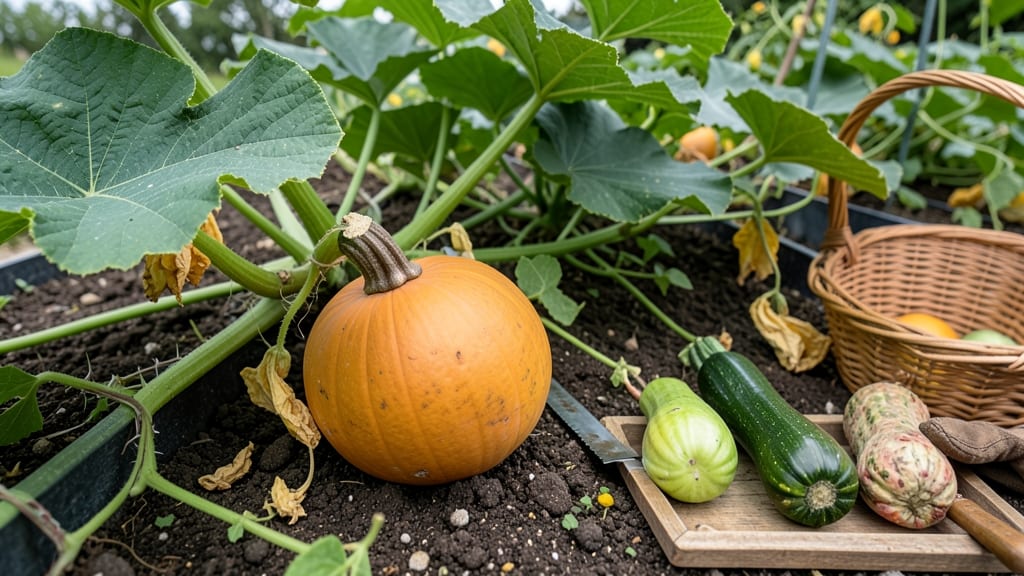
How to know when your 🎃 squash is ready to pick can make or break your harvest—one wrong move, and you're left with bitter zucchini or tough butternut. The good news? It only takes a few simple checks to avoid these common mistakes and guarantee perfect squash every time.
Most gardeners focus on size, but the real key lies in color, texture, and even the stem's condition. For example, zucchini should have a dull, matte skin when fully ripe, while pumpkins develop a deep, rich hue. These visual cues are your best friends in the garden.
I've learned that waiting just a few extra days can transform tender squash into something less enjoyable. That's why I'll show you exactly what to look for—plus how to test ripeness when the signs aren't obvious.
Let's dive into the 5 foolproof ways to know your squash is at its peak.
Whether you're growing summer squash or winter varieties, these tips will help you harvest at the perfect moment. No more guesswork, just delicious, homegrown squash that's ready for your kitchen. Let's get started!
5 Visual cues to identify perfectly ripe squash
Harvesting squash at the right moment ensures the best flavor and texture, whether you're growing zucchini, butternut squash, or acorn squash. The key lies in observing subtle changes in color, size, texture, and stem condition—each variety has its own signals.
For example, summer squash like zucchini ripens quickly, while winter squash like butternut needs more time to develop its signature sweetness.
First, pay attention to the skin color. Most summer squash varieties, such as zucchini, transition from a bright, glossy green to a matte, deep green or yellow, depending on the cultivar. Winter squash, like pumpkins or butternut, will shift from pale to a rich orange or deep yellow.
This color change indicates the fruit is nearing peak ripeness and has developed its full flavor profile.
The size of the squash also matters, but it varies by type. Summer squash should be harvested when they reach 6 to 8 inches long—any larger, and the flesh can become fibrous.
Winter squash, on the other hand, should be left on the vine longer, often growing to 10 inches or more in diameter. For instance, a butternut squash is ready when it’s about 1.5 to 2 pounds in weight.
Next, check the texture of the skin. A ripe squash will have a dull, firm surface, not shiny or soft. Gently press the skin with your thumbnail—if it doesn’t dent easily, it’s ready.
Overripe squash will feel spongy or mushy, while underripe squash remains tender and slightly waxy. This tactile test is especially useful for varieties with ambiguous color changes, like yellow crookneck squash.
One of the most reliable indicators is the stem. When squash is ripe, the stem where the fruit connects to the vine will begin to dry out and turn brown. This natural process signals that the squash has stopped growing and is at its peak flavor.
If the stem is still green and fresh, the squash needs more time on the vine. For winter squash, this drying process can take several weeks, so patience is key.
Finally, pick up the squash and assess its weight. A ripe squash feels heavy for its size, indicating it’s fully developed and packed with flavor. Lift a few candidates—you’ll quickly notice the difference between a light, underripe fruit and a solid, dense squash that’s ready for harvest.
This method works well for both summer and winter varieties.
Summer squash: matte green/yellow | Winter squash: deep orange/yellow
Summer: 6-8" long | Winter: 10"+ diameter, 1.5-2 lbs
Press with thumbnail—no dent = ripe
Brown and crisp at attachment point
Feels dense for its size—pick it up!
Don’t overlook the importance of variety-specific cues. For example, zucchini should be harvested when it’s 1 to 2 inches in diameter, while butternut squash needs to develop a hard rind and a pronounced neck.
Even within summer squash, yellow squash like pattypan may have a slightly softer skin when ripe compared to green zucchini. Keeping a small notebook or phone notes app to track the ripening process for each variety can help you refine your timing over time.
Timing your harvest correctly also prevents the fruit from becoming overgrown or seedy. Summer squash, in particular, can turn woody and bitter if left too long on the vine. On the flip side, harvesting too early results in underdeveloped flavor and thin walls.
For winter squash, waiting too long can lead to rot or pest damage, so balance is key. Paying attention to these visual cues ensures you’re always harvesting at the perfect moment.
Pro tip: If you’re unsure, harvest a few squash at different stages and compare their texture and taste. This hands-on approach helps you calibrate your eye for future harvests.
With practice, you’ll develop an instinct for when your squash is at its best—ready to be transformed into delicious dishes or stored for later use.
5 Visual cues to identify perfectly ripe squash
Squash ripeness varies by variety—whether you're growing zucchini, butternut, or acorn squash, these visual cues will help you harvest at peak flavor and texture. The key is watching for color changes, stem drying, and firmness that signal readiness.
Summer squash like zucchini ripen faster (often in 45-55 days), while winter varieties need 80-120 days to mature.
Start by checking the skin color. For summer squash, look for a deep, matte green (not shiny) or golden hue—zucchini should turn from pale to bright green or yellow.
Winter squash like butternut develop a hard, glossy orange skin when fully ripe. A dull, not shiny, surface is your first clue that the squash is ready to pick.
Next, examine the stem attachment. When squash is ripe, the stem where it connects to the vine will begin to dry out and turn brown or corky.
This happens naturally as the plant redirects nutrients to the fruit. If the stem is still green and fresh-looking, your squash needs more time on the vine.
-
1Skin color shifts from shiny to dull and fully developed (deep green, yellow, or orange).
-
2Stem base turns brown and corky where it meets the fruit.
-
3Fruit feels heavy for its size—weight indicates maturity.
-
4Size matches variety expectations: Zucchini (6-8"), butternut (2-4 lbs), acorn (4-8").
-
5Seed cavity (for winter squash) feels slightly soft when pressed gently.
Don’t overlook the fruit’s weight. A ripe squash feels heavy for its size because it’s packed with nutrients and water. Hold it in your hand—if it feels light, it’s not ready. For winter squash like pumpkins, the weight can be a dead giveaway, often 10+ pounds when fully mature.
Finally, check the seed cavity (for winter squash). Press the blossom end gently—if it gives slightly but doesn’t feel mushy, the squash is ripe. Overripe squash here will feel soft or hollow, while underripe squash stays hard.
Summer squash like zucchini don’t need this test, but it’s a great backup for varieties like spaghetti squash or hubbard.
If you’re still unsure, harvest a few squash and taste-test them. Underripe squash tastes bland and watery, while overripe squash can be fibrous and seedy. With practice, you’ll spot these cues in seconds—no more guessing! 🎃