
How To
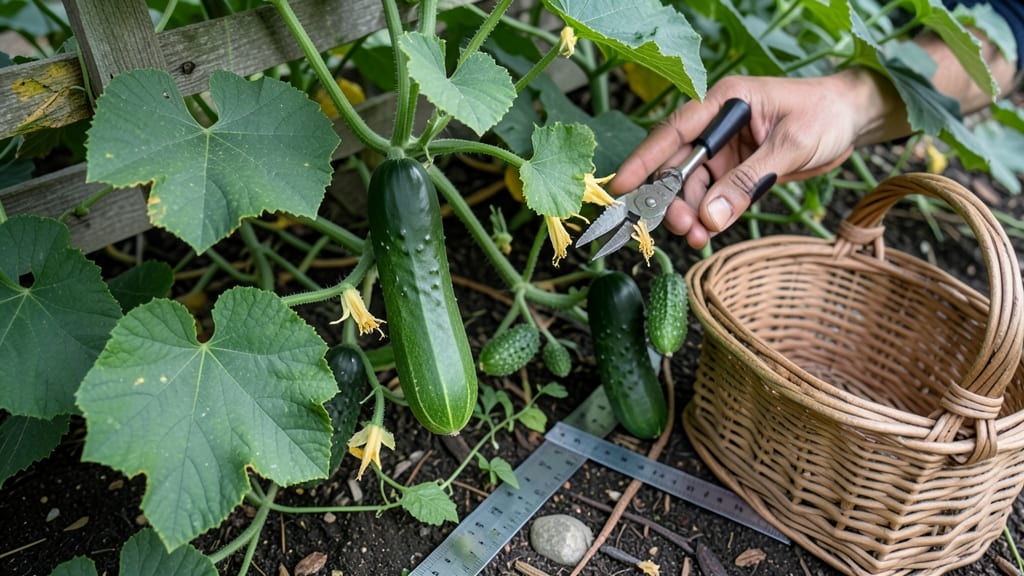
How to know when to pick a cucumber can turn a garden full of potential into a harvest of disappointment—or a crunchy, flavor-packed victory. That perfect moment between too soon and too late is what separates a mealy mess from the crisp, refreshing slices you crave.
I’ve spent years watching my own cucumbers go from tiny green nubs to overripe giants, and I’ll save you from that same frustration. The key isn’t just waiting for size—it’s about texture, color, and even how the stem behaves.
Once you master these 3 simple tests, you’ll never second-guess your harvest again.
Whether you’re growing slicing cucumbers for salads or pickling varieties for jars, timing matters. A cucumber picked too early stays bland, while one left too long turns bitter or spongy. I’ll walk you through the exact cues to look for, so you can enjoy that perfect crunch every time.
Ready to stop guessing and start harvesting like a pro? Let’s dive into the foolproof methods that’ll have you picking cucumbers at their peak—no more, no less.
3 Tactile tests to determine cucumber ripeness
Determining the perfect moment to harvest cucumbers isn’t just about guessing—they communicate their readiness through subtle tactile cues and visual signals. As someone who’s spent summers wrestling with overripe or underripe cukes, I’ve learned that three simple tests can save you from mealy disappointments.
The key is to check for size consistency, skin firmness, and stem maturity—each offering clues about whether your cucumber is at its peak.
First, let’s talk about the thumb pressure test, my go-to method for gauging ripeness. This isn’t about squishing—think of it as a gentle firmness assessment. A perfectly ripe cucumber should yield slightly under pressure but not feel mushy or overly hard.
If it springs back immediately, it’s too young; if it leaves a dent, it’s past its prime. This test works best on slicing varieties, where texture is everything.
- 1. Thumb Pressure: Press gently—ripe cucumbers give slightly but bounce back.
- 2. Stem Check: Bend the stem near the fruit; it should snap cleanly at the base.
- 3. Skin Test: Run your fingers over the skin—smooth and firm means ready to harvest.
Next, pay attention to the stem separation test, which reveals whether the cucumber is ready to detach from the vine. Gently bend the stem near the fruit—if it snaps easily and the stem end turns yellow or brown, that’s your cue to pick it.
This change signals the cucumber has absorbed enough nutrients and is at its sweetest. Ignore this sign, and you risk bitterness or a seedy, watery texture that ruins salads and sandwiches alike.
The third test focuses on skin texture and color, which vary slightly by variety.
For slicing cucumbers like 'Straight Eight', look for a deep, glossy green skin that’s free of blemishes. Pickling cucumbers, on the other hand, should be harvested when they’re 4-6 inches long and still firm, often with a slightly lighter green hue.
Overlooking these details can turn your harvest into a science experiment rather than a crisp, refreshing reward.
Environmental factors also play a role in ripeness timing. Hotter temperatures can accelerate maturity, so cucumbers may ripen faster in July than in June. Conversely, cooler weather slows growth, giving you more time to monitor their progress.
I’ve found that morning harvests consistently yield the freshest cucumbers, as overnight temperatures can slightly alter their texture. Always check your cucumbers in the cool of the day for the most accurate results.
For bush varieties, which produce smaller fruits, size is your best indicator—aim for 3-5 inches in length. Vining types, however, can grow much larger, so rely more on the tactile tests than absolute measurements.
Remember, the goal is consistency: if most cucumbers in your patch meet these criteria, it’s time to harvest. Regular picking also encourages your plants to produce more, so don’t wait until they’re overcrowded on the vine.
One common mistake I see is confusing ripe cucumbers with diseased ones. A ripe cucumber will have a smooth, unblemished skin, while overripe or rotting fruits develop soft spots, wrinkles, or mold.
If you notice yellowing leaves or wilting vines alongside your cucumbers, it’s best to harvest what’s ready and address the plant’s health separately. This separation ensures you’re only bringing home the best quality produce.
To make harvesting easier, I recommend using sharp pruning shears or even a clean knife to cut cucumbers from the vine, leaving about ½ inch of stem attached. This method reduces damage to the plant and makes it simpler to spot new fruits as they develop.
Store your freshly picked cucumbers in the crispest drawer of your fridge—unwashed and in a paper towel-lined container—to maintain their freshness for up to a week.
Mastering these tactile tests will transform your cucumber harvest from hit-or-miss to consistently perfect. The more you practice, the quicker you’ll recognize the subtle differences between underripe, ripe, and overripe fruits.
Soon, you’ll be the neighbor everyone envies for their crisp, homegrown cucumbers—ready to slice, pickle, or enjoy fresh in salads.
3 Tactile tests to determine cucumber ripeness
When I reach for a cucumber in my garden, I always perform these three quick tests to check ripeness. The first is the thumbnail pressure test—press gently with your thumbnail.
A ripe cucumber will have a slight give but won't feel mushy or overly hard. This tells me the flesh is firm yet tender, perfect for slicing or pickling.
Next, I check the stem end color. A ripe cucumber’s stem end turns yellow or brownish, signaling maturity. If it’s still bright green, it needs more time. This simple visual cue saves me from harvesting too early or too late.
The third test is the stem snap test. I bend the stem near the cucumber—if it snaps cleanly, it’s ready to pick. A stubborn stem means the cucumber isn’t mature yet. This method works best in the morning when cucumbers are firmest.
For pickling cucumbers, I harvest them smaller (2-4 inches) and firmer, while slicing types can wait until they’re 6-8 inches long. Always check the variety’s guidelines, as some cucumbers change flavor or texture if left too long on the vine.
Temperature also plays a role. In hot weather (above 85°F), cucumbers ripen faster and may need picking every 2-3 days. In cooler climates, they take longer to mature. I adjust my harvesting schedule based on the forecast.
Finally, I avoid harvesting in the afternoon heat, as cucumbers can wilt quickly. I always pick in the morning hours when they’re cool and crisp. This keeps them fresher longer and makes the tactile tests more accurate.