
How To
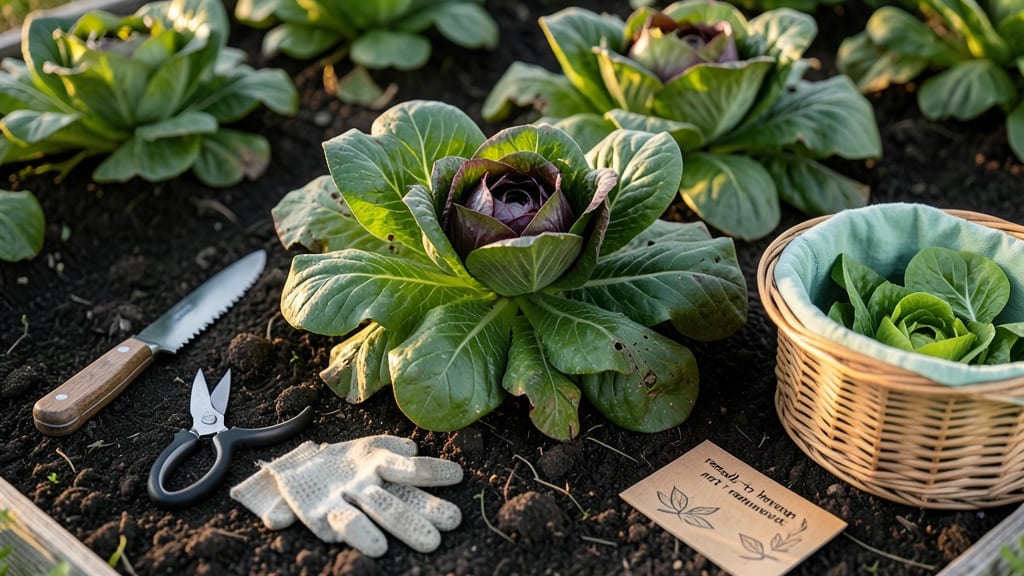
How to know when to pick your 🥬 lettuce can turn a sad, wilted salad into a crisp, flavorful masterpiece. The difference often comes down to simple visual cues most gardeners miss—like leaf size, color, and texture—that signal peak harvest time.
If you’ve ever wondered why some lettuce tastes bitter or turns rubbery before you even get to it, the answer lies in timing. I’ll show you the 3 key tests to check before harvesting, whether you’re growing loose-leaf varieties or tight-headed lettuce. No guesswork, just crisp perfection every time.
Environmental factors like temperature and maturity also play a role, but the real game-changer is knowing what to look for in your garden. Let’s break down the exact signs—from firm stems to vibrant colors—that mean your lettuce is ready to harvest at its best.
Once you master these techniques, you’ll never overlook the perfect moment again. Whether you’re a beginner or a seasoned gardener, these tips will help you extend your harvest season and enjoy fresh, homegrown greens all the way through fall.


3 Visual leaf tests to determine lettuce harvest readiness
Knowing when to harvest your lettuce isn’t just about counting days—it’s about reading the leaves themselves. Each variety has unique signals, but these three simple tests work for all types.
Start by checking the leaf size, then move to color and texture. I’ve used these tests for years in my garden, and they’ve never failed me!
First, examine the leaf size. For loose-leaf varieties, individual leaves should reach 3-6 inches long. If they’re smaller, give them more time. For head lettuce, the entire head should feel firm and round, with leaves tightly wrapped.
If the head is still loose or sparse, wait a few more days.
Next, focus on leaf color. Vibrant, deep hues—whether dark green, red, or purple—mean your lettuce is ready. Pale or yellowing leaves signal it’s past its prime.
I once ignored this cue and picked a batch of buttercrunch lettuce that had turned dull green—big mistake! The flavor was bland and the texture mushy.
Finally, test the leaf texture. Crisp, firm leaves are perfect for harvesting. If they feel limp or soft, your lettuce has overstayed its welcome. Gently squeeze a leaf—it should spring back. For head lettuce, the outer leaves should also be crisp, not wilted or hollow-sounding when tapped.
For loose-leaf varieties, you can start harvesting outer leaves first once they meet these criteria. This lets the plant keep growing, giving you multiple harvests. I love growing oakleaf lettuce this way—it produces fresh leaves for weeks!
Just avoid cutting more than 1/3 of the plant at once to avoid stressing it.
If you’re growing head lettuce, like romaine or iceberg, wait until the entire head is fully formed. Cut the head just above the soil line with a sharp knife or shears.
I’ve learned the hard way that pulling lettuce by the leaves can damage the plant and leave it vulnerable to pests.
Timing is everything, especially with temperature. Lettuce grows best in cool weather (between 45°F and 75°F). If your area is heating up, harvest sooner rather than later. Heat stress can cause lettuce to bolt (send up a flower stalk), ruining the tender leaves.
I once lost an entire batch of romaine to bolting because I ignored the heat warnings!
Pro tip: Harvest in the morning when temperatures are coolest. This keeps the leaves crisp and hydrated. Store harvested lettuce in the fridge wrapped in a damp paper towel to maintain freshness. I’ve kept lettuce this way for up to a week without losing quality.
Remember, every variety has slight differences. Butterhead lettuce, for example, should have a soft, buttery texture, while leaf lettuce like arugula is best when slightly peppery. Pay attention to these nuances, and you’ll always know when your lettuce is at its peak!
When to harvest loose-leaf vs. head lettuce for maximum flavor
Not all lettuce is created equal—and neither are their harvesting times! Loose-leaf varieties like Buttercrunch or Oakleaf can be picked multiple times throughout the season, while head lettuce like Romaine or Iceberg demands precision timing. Understanding these differences ensures you enjoy the best flavor and texture.
For loose-leaf lettuce, you can start harvesting outer leaves once they reach 3-4 inches. This method encourages regrowth for a continuous harvest. Simply snip the outer leaves at the base, leaving the inner leaves to mature.
This works best for cut-and-come-again varieties, giving you fresh greens for weeks!
Head lettuce, on the other hand, should be harvested whole when fully mature. Look for a compact, firm head with tightly wrapped leaves. If you wait too long, the head may loosen or bolt, ruining the crisp texture. For varieties like Romaine, aim for a tight, elongated shape with deep green leaves.
Lettuce Harvest Comparison
| Type | Harvest Method | Signs of Readiness | Best Time to Pick |
|---|---|---|---|
| Loose-Leaf | Outer leaves (cut-and-come-again) | 3-4" leaves, crisp texture | Every 2-3 weeks |
| Head Lettuce | Whole head | Firm, compact head, no bolting | Once fully mature (45-60 days) |
💡 Pro Tip: For loose-leaf, avoid cutting more than 1/3 of the plant at once to avoid stressing the roots.
Timing also depends on the season. In spring or fall, lettuce matures faster due to cooler temperatures. However, if planted in summer heat, lettuce may bolt prematurely, turning bitter. Always check for vibrant color and crispness—these are your best indicators!
Once harvested, store loose-leaf lettuce in a plastic bag with a paper towel to absorb moisture, while head lettuce should be kept whole and dry in the fridge. This extends freshness and keeps those crunchy leaves ready for your next salad! 🥬
Remember, the key to perfect lettuce is consistent monitoring. Check your plants every few days and harvest at the peak of freshness for the best results. Happy harvesting! ✂️