
How To
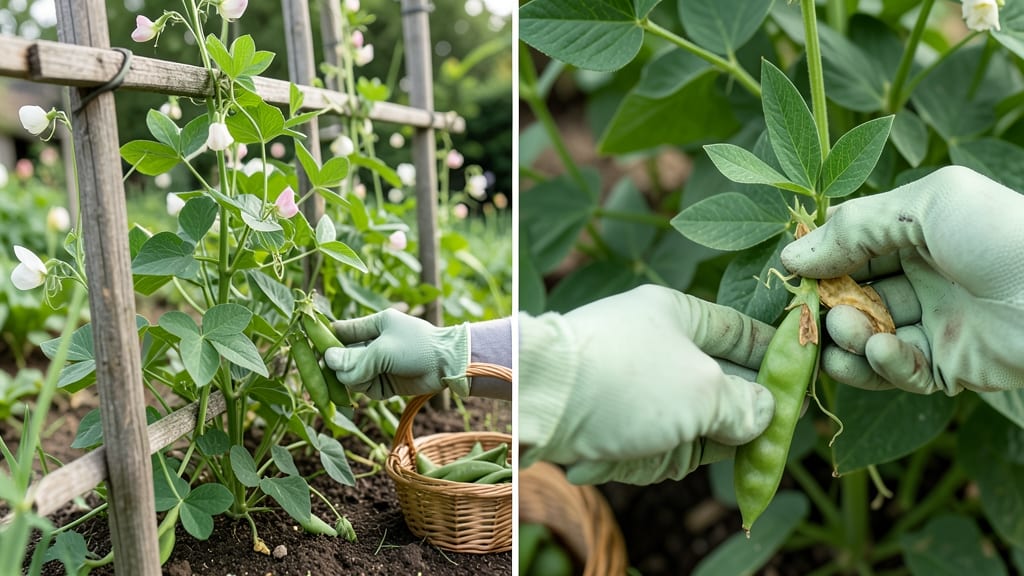
How to know when to pick peas can make the difference between a sweet, garden-fresh snack and something tough and bitter. That perfect moment arrives sooner than you might think, and missing it means losing out on the best flavor. Whether you're growing sugar snaps or shelling peas, these simple tests will help you determine exactly when to harvest for maximum sweetness.
Peas 🌱 are ready when their pods reach about 1-2 inches in length and feel firm to the touch. The pods should also be bright green and slightly swollen, with tiny seeds barely visible inside.
If you wait too long, those seeds will grow larger, making the peas less tender and more fibrous.
Don’t rely on days after planting alone—visual cues are your best guide. A quick snap test can also confirm readiness: bend a pod slightly, and if it snaps cleanly, it’s time to pick.
This method works for both early and late varieties, ensuring you get the most out of your harvest.
Once picked, store peas in the fridge for up to 5 days to preserve their freshness. Regular harvesting encourages more production, so check your plants every 2-3 days during peak season. With these tips, you’ll never miss the perfect moment again.


3 Visual and tactile tests to determine pea ripeness
Peas are at their sweetest and most tender when picked at the perfect ripeness. Overlooking the signs can mean starchy, tough pods instead of the crisp, flavorful harvest you crave.
The key is knowing three foolproof tests—visual, tactile, and developmental—that tell you when to snip those pods for peak flavor. I’ve used these methods for years in my garden, and they’ve never failed me.
First, let’s talk about the size and shape of the pod. Ready-to-pick peas should be 1 to 2 inches long, slightly swollen, and rounded. If they’re still under 1 inch or elongated, they’re not ready.
Think of them like tiny green balloons—when they’re plump and firm, that’s your cue. Overlooking this can lead to bitter, fibrous peas that taste more like cardboard than fresh garden produce.
- 📏 Pod Size: 1–2 inches long, slightly swollen, and rounded
- 🌿 Color & Texture: Bright green, glossy, and firm to the touch
- 💥 Snap Test: Pods bend slightly but snap cleanly when pinched
The color and texture of the pod are your next clues. Ready peas should be bright green and glossy, almost like they’ve been waxed. If they’re dull, yellowing, or starting to dry out, you’ve missed the window.
Run your fingers over the pod—it should feel firm and smooth, not leathery or wrinkled. This is where many gardeners go wrong; they wait too long, and the peas lose their sweetness.
Now for the tactile test that’s my personal favorite: the snap test. Gently pinch a pea pod between your thumb and forefinger and give it a slight bend. If it snaps cleanly with a slight crack, it’s ready to pick.
If it bends without snapping or feels mushy, it’s overripe. This test works like a charm, especially for sugar snap peas, where the pod itself is part of the harvest.
It’s a quick way to avoid the starchy, mealy texture that comes from leaving peas on the vine too long.
One mistake I see often is picking peas based on days after planting rather than visual cues. While most peas take 60 to 70 days to mature, environmental factors like temperature and sunlight can shift that timeline.
For example, cooler springs might delay ripening, while hotter summers can speed it up. Always rely on the pod’s appearance and feel over a calendar. This is how you ensure consistent sweetness in every harvest.
Another critical factor is the stage of seed development inside the pod. When peas are ready, the seeds inside should be tiny and barely visible through the pod’s skin. If you can see large, plump seeds or even feel them bulging, the peas have passed their prime.
This is especially true for shelling peas, where the goal is to eat the seed itself—not the pod. Overlooking this detail means you’ll end up with peas that are hard and bland, a far cry from the tender, buttery texture you’re after.
Let’s talk about common mistakes that can turn a great pea harvest sour. First, picking in the heat of the day can cause the peas to wilt or even split open. Always harvest in the morning or late afternoon when temperatures are cooler.
Second, using dull scissors or shears can crush the pods or damage the plant. Invest in a sharp pair of harvesting shears or even clean kitchen scissors for a clean cut. Lastly, storing harvested peas in direct sunlight speeds up spoilage.
Keep them in a shady, cool place or the fridge until you’re ready to use them.
If you’re growing multiple pea varieties, like sugar snaps and shelling peas, the ripening cues can vary slightly. For example, sugar snap peas should be harvested when the pod is crisp and flat, while shelling peas need slightly larger pods with small, undeveloped seeds.
Paying attention to these nuances ensures you’re picking each type at its optimal stage. I’ve found that keeping a small notebook by my garden gate helps me track which varieties are ready and when.
Finally, remember that regular harvesting encourages more production. Peas are prolific producers, but they’ll stop setting new pods if left unchecked. By picking consistently—every 2 to 3 days during peak season—you’ll enjoy a longer, more abundant harvest.
It’s like giving your pea plants a little nudge to keep growing. And when you do, you’ll be rewarded with sweet, tender peas straight from your garden to your plate.
3 Visual and tactile tests to determine pea ripeness
Peas are at their sweetest when picked at the right moment—too early and they’re underdeveloped, too late and they turn tough and starchy. The key is learning to read your plants like a pro. Start by checking the pod size, which should be 1-2 inches long and slightly swollen.
This is your first clue that the peas are nearing perfection. The color is another dead giveaway: bright, glossy green pods mean they’re ready, while pale or yellowing pods signal overmaturity.
Next, give the pods a gentle snap test. Hold a pea pod between your thumb and forefinger and bend it slightly—if it snaps cleanly, it’s ready to pick. This test ensures the peas inside are still tender.
Avoid picking pods that feel mushy or have visible seeds through the shell, as these are past their prime. Remember, the earlier you pick, the sweeter and more tender your peas will be.
One common mistake gardeners make is waiting too long because they think peas will keep getting sweeter. In reality, the longer you leave them on the vine, the tougher and less flavorful they become. I’ve learned the hard way that daily checks are essential, especially during the peak harvesting season.
Use a small basket or container to collect your peas, and always pick them in the morning when they’re cool and crisp.
If you’re growing multiple pea varieties, like sugar snaps and shelling peas, pay attention to their specific ripening cues. Sugar snaps, for example, should be harvested when they’re flat and crisp, while shelling peas are best when the pods are round and the seeds inside are small.
Mixing up the varieties can lead to confusion, so keep a quick reference handy or label your plants clearly.
Finally, don’t forget to rotate your harvesting around the plant. This encourages even growth and prevents the plant from focusing all its energy on a few pods. A well-maintained pea plant will continue producing for weeks if you stay on top of harvesting.
The more you practice these tests, the easier it becomes to spot the perfect peas every time.
With these three simple tests—pod size, color, and the snap test—you’ll never miss the sweet spot again. Happy harvesting! 🌱