
How To
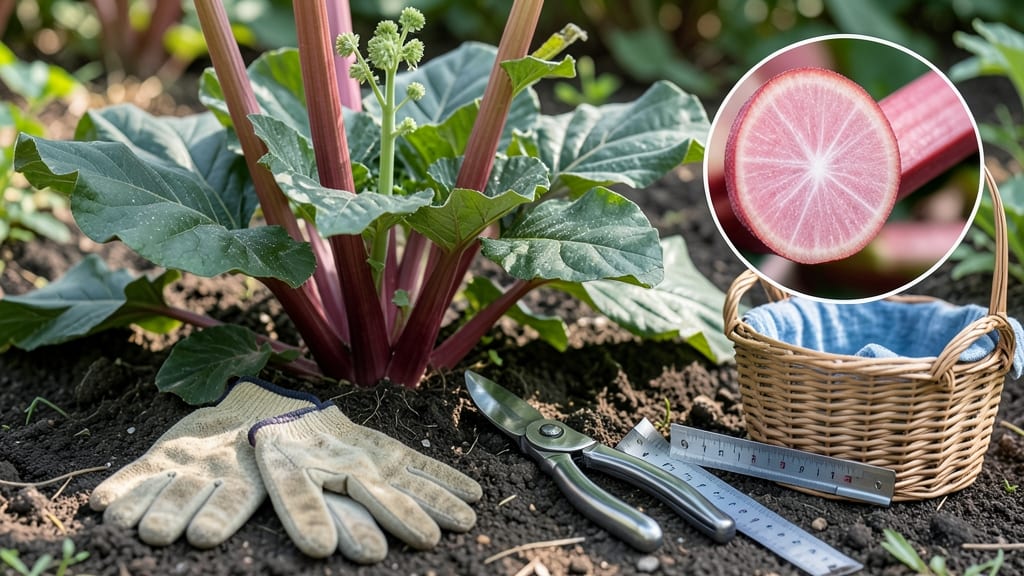
How to know when to pick rhubarb can turn your garden’s 🍃 rhubarb into a crisp, tangy treasure—or leave you with tough, bland stalks. The difference often comes down to three simple checks: color, size, and texture.
In Zone 6, where frost lingers until mid-April, timing is everything. You’ll want to harvest between April and June, but waiting too long risks woody stalks, while picking too early means missing peak flavor. Let me show you how to spot the perfect moment—no guesswork required.
First-time harvesters often overlook subtle clues like stalk firmness or the telltale snap when pulled. These details separate a great harvest from a mediocre one. I’ll walk you through the 3-step method that guarantees you pick rhubarb at its best every season.
Ready to transform your garden into a flavor-packed harvest? Let’s dive into the visual and tactile cues that reveal when your rhubarb is truly ready—so you can enjoy the sweetest, most tender stalks all year.


3 Visual signs rhubarb is ready for harvest (color & texture guide)
Rhubarb’s harvest timing hinges on three key visual cues: stalk size, color depth, and texture. Unlike many vegetables, rhubarb’s edible stalks don’t ripen like fruit—they reach peak flavor when they’re firm but pliable.
Ignoring these signs often leads to tough, fibrous stalks or woody centers. Let’s break down what to look for in your garden.
First, focus on stalk length. The ideal harvest size is 10-12 inches. Stalks shorter than 6 inches are underdeveloped, while those over 14 inches may become stringy.
Measure a few stalks to confirm consistency across your plant. Early spring harvests often yield smaller stalks, so patience pays off for larger yields later in the season.
Next, examine the color intensity. Mature rhubarb stalks should be deep red, pink, or green, depending on the variety. Pale or yellowish stalks are immature and lack flavor. For red varieties like ‘Victoria’, look for a vibrant crimson hue—this indicates high sugar content.
Green varieties like ‘Green Stem’ should be a rich, emerald green, not dull or waxy.
Now, test the texture with your fingers. Gently press a stalk near the base—it should feel firm but yield slightly, like a ripe cucumber. Avoid stalks that feel hard or woody (underripe) or mushy or hollow-sounding (overripe).
A clean snap when bent is another green light—no fibrous tearing means it’s ready.
| Harvest Cue | Ready Signs | Not Ready Signs |
|---|---|---|
| Stalk Size | 10-12 inches long | <6 inches or >14 inches |
| Color | Deep red/pink/green | Pale yellow or dull |
| Texture | Firm but yields when pressed | Woody or mushy |
| Snap Test | Clean break, no fibers | Fibrous or hollow |
Seasonal variations matter too. In cooler climates (Zones 3-5), rhubarb often ripens 2-3 weeks earlier than in warmer zones. If frost threatens before stalks reach size, harvest smaller ones—just avoid temperatures below 20°F, which damages the plant.
In Zone 7+, stalks may mature later, so monitor closely during heatwaves, which can cause premature toughening.
Regional differences also play a role. Pacific Northwest growers often harvest as early as late April, while Southern gardens may wait until May or June. Pay attention to your local frost dates—rhubarb is frost-tolerant but prefers to mature in stable temperatures.
If your area has late frosts, prioritize harvesting after the last frost date for consistent quality.
One common mistake is harvesting based on leaf size alone. While large, unfurled leaves indicate maturity, they’re not a reliable sole indicator. Always combine leaf size with stalk checks.
For example, a fully unfurled leaf paired with a 10-inch red stalk is a perfect match, but a large leaf with a pale, short stalk means wait a week or two.
Finally, avoid the temptation to harvest every stalk at once. Even mature plants benefit from leaving 20-30% of stalks to fuel future growth. This practice ensures your rhubarb plant stays productive for 10+ years, which is its natural lifespan.
Think of it as pruning for longevity—just like you’d thin tomatoes to boost yield.
Now that you’ve mastered the visual cues, your next step is to test ripeness with a hands-on method. In the following section, I’ll walk you through the 3-step taste and feel method to confirm you’re picking rhubarb at its absolute peak—no guesswork required.
3 Visual signs rhubarb is ready for harvest (color & texture guide)
Rhubarb’s harvest readiness hinges on three key visual cues: stalk size, color intensity, and texture firmness. Unlike many vegetables, rhubarb’s edible stalks mature gradually, so timing matters. I’ve learned that early spring harvests (April–June) yield the sweetest stalks, but regional climates can shift this window by weeks.
First-year plants deserve special care—never harvest them! Established rhubarb (3+ years old) rewards patience with larger, more flavorful stalks. The ideal stalk length is 10–12 inches, but size alone isn’t enough. Here’s how to pair visual clues with seasonal wisdom for perfect timing.
🌱 Rhubarb Harvest Readiness Check
| Sign | Description | Seasonal Note |
|---|---|---|
| Stalk Length | 10–12 inches (thickness of a pencil) | Early spring stalks grow faster; wait for full size. |
| Color | Deep red, pink, or green (no pale streaks) | Cooler climates delay color; sun exposure speeds ripening. |
| Texture | Firm but yields slightly when pressed (not mushy) | Overripe stalks become woody; harvest before this. |
Color isn’t just about aesthetics—it’s a flavor indicator. Deep red varieties like ‘Victoria’ pack more tartness, while green stalks (like ‘Green Stem’) stay milder. I’ve noticed that first harvests often have paler stalks; these need 2–3 more weeks to develop full color.
Pro tip: Morning harvests ensure stalks are crispest, as evening heat can make them limp.
Texture is your final check. Ready stalks should snap cleanly when bent—not fibrous or rubbery. If a stalk feels hard as a board, it’s underripe; if it’s mushy or hollow-sounding, it’s past its prime.
I test by gently squeezing: a slight give means it’s perfect. Avoid harvesting stalks smaller than 6 inches, even if they look colorful, as they’ll lack flavor.
Regional differences matter! In Zone 5 or cooler, rhubarb may need 2–3 extra weeks to mature due to shorter growing seasons. Conversely, Zone 7+ gardens can start harvesting 2 weeks earlier.
Always check for frost risk: a light frost can sweeten stalks further, but heavy frost damages them.
One mistake I see often? Harvesting more than 1/3 of stalks at once. This stresses the plant and reduces next year’s yield. For first-time growers, limit yourself to 3–4 stalks per harvest until the plant is 3 years old.
Patience here pays off with bigger, sweeter stalks in future seasons.