
Flowers
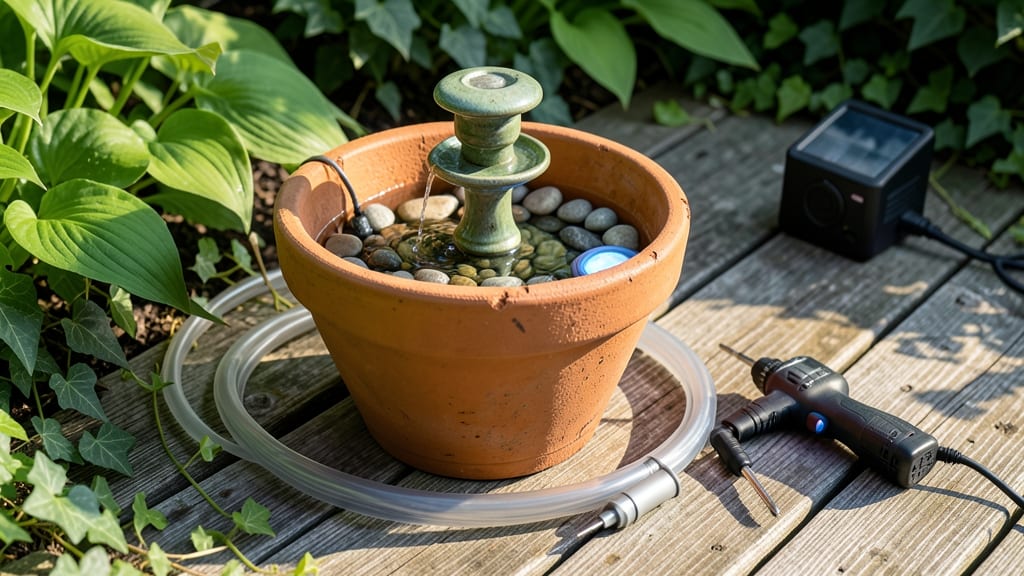
Transforming a simple flower pot into a soothing water fountain is the easiest way to add tranquility to your garden. 🌿 I’ve turned basic terra cotta pots and a small pump into a centerpiece that hums with the sound of moving water—no plumbing skills required.
The beauty of this project lies in its flexibility. You can use any pot size, from tiny 6-inch containers to large 12-inch planters, and pair it with trailing flowers like ferns, ivy, or petunias for a lush, natural look.
A submersible pump (around $15) does all the work, while clear tubing hides the mechanics. What you’ll end up with is a serene water feature that doubles as a planter, creating movement and reflection in your outdoor space.
The gentle sound of water masks city noise, and the greenery softens the look of any patio or garden corner. Best of all, this setup works in containers, window boxes, or even repurposed buckets. Let’s get you started with the simplest water feature you’ll ever build!
📚 In This Guide
- What you need
- Instructions
- Tips and common mistakes
- Wrapping up and next steps
What you need
- ● Flower pot – Choose a sturdy ceramic or plastic pot (8–12 inches in diameter) with drainage holes at the bottom.
- ● Submersible water pump – A small, low-voltage pump (3–5 watts, 12V DC) with a quiet operation feature.
- ● Water tubing – Flexible vinyl tubing (¼–½ inch diameter, 3–6 feet long) to connect the pump to the fountain.
- ● Decorative fountain spout or nozzle – A small, decorative spout (e.g., bamboo, ceramic, or metal) to shape the water flow.
- ● Waterproof sealant or silicone – To secure the spout or tubing if needed.
- ● Water – Enough to fill the pot and tubing (about 1–2 gallons, depending on pot size).
- ○ Power source – A battery pack (6–12V) or a solar panel kit (optional but eco-friendly!).
- ● Small pebbles or gravel – For the base layer (1–2 inches deep) to hide the pump and tubing.
- ○ Water plants (optional but recommended) – Submersible plants like Java Fern or Anubias to add greenery and oxygenate the water.
- ● LED lights – Battery-operated or solar-powered lights for a magical nighttime glow.
- ● Paint or sealant – To customize the pot’s appearance (waterproof paint only!).
- ● Multiple spouts or tiers – For a cascading effect (requires additional tubing and pumps).
- ● Fish or snails – If you’re creating a mini ecosystem (ensure the pump is safe for aquatic life!).
- ● Timer or smart plug – To automate the pump for energy efficiency.
Step-by-Step instructions for building a flower pot fountain
Here's how to create a soothing water feature using just a few household items and a little patience.
🪴 Step 1: Select and Prepare Your Flower Pots
Choose two identical pots—one with drainage holes (for the water reservoir) and one without (for the pump). I like using 6-8 inch diameter pots for a manageable fountain that fits most patios. Place the pot without drainage holes inside the other, creating a nested setup. The inner pot will hold your pump and water.
Fill the inner pot with 3-4 gallons of water—enough to create a gentle flow without spilling over. Place a small pebble or decorative rock at the bottom to keep the pump stable. This ensures your pump stays in place and doesn't float when water moves.
⏰ Step 2: Set Up the Water Pump
Place your submersible water pump in the inner pot, making sure it's fully submerged but not touching the bottom. Connect the pump's tubing to the outer pot's side, angling it so water will flow upward. The tubing should reach the top of the outer pot—this creates the cascading effect you want.
Turn on the pump and adjust the flow rate until you see a gentle stream (about 1-2 gallons per hour). Too fast and it becomes noisy; too slow and the water won't create a satisfying fountain. Watch for air bubbles in the tubing—if you see too many, the pump might be too powerful for your setup.
💧 Step 3: Create the Water Flow Path
Cut a small hole in the side of the outer pot, about 1 inch from the top, using a drill or sharp knife. This is where water will spill back into the inner pot. Place the tubing near this hole so water flows smoothly over the edge. You can also add a few small rocks or pebbles around the hole to create a natural-looking waterfall effect.
Test the flow by turning the pump on. Adjust the tubing's angle until water spills evenly over the edge. If it sprays too far, shorten the tubing slightly. The goal is a steady, quiet stream—not a dramatic splash. This creates the most relaxing ambiance.
☀️ Step 4: Add Decorative Touches and Final Adjustments
Fill the outer pot with small decorative stones or pebbles around the tubing and water flow area. This hides the pump and tubing while adding texture. You can also add a few water plants like water hyacinth or moss to make it look even more natural. These plants will thrive in the moist environment and add a touch of greenery.
Place your fountain in a spot where you can enjoy the sound of water. A covered patio or near a seating area works best. Avoid direct sunlight for long periods—it can cause algae growth in the water. Instead, position it where it gets morning sun and afternoon shade for the best balance.
✂️ Step 5: Maintain Your Fountain for Long-Lasting Beauty
Check the water level every 3-4 days and top it off as needed. Evaporation and splashing will reduce the water over time. Also, clean the pump and tubing monthly by rinsing them in warm water with a bit of vinegar to prevent mineral buildup. This keeps your fountain running smoothly and looking fresh.
If you notice algae growth in the water, add a few drops of hydrogen peroxide (about 1 teaspoon per gallon) to keep it clear. Avoid harsh chemicals—they can harm any plants you've added and disrupt the natural balance. With regular maintenance, your fountain will stay a serene centerpiece for months.
Tips & tricks for perfect flower pot fountains
Creating a serene water feature doesn't have to be tricky—these simple tips will help you avoid common pitfalls and build a fountain that looks and sounds just right.
Pot Selection Matters: Matching your pots in size and style creates visual harmony. If you don't have identical pots, choose ones with similar textures and colors. For a more rustic look, try terracotta pots—they add earthy charm and blend beautifully with garden decor. I've even used mismatched vintage pots for a charming, eclectic vibe, but they need to be similar in height to maintain balance.
Pump Placement is Key: Position your submersible pump at least 1-2 inches from the bottom of the inner pot to prevent it from getting clogged with debris. If you notice air bubbles in the tubing, your pump might be too powerful—try reducing the flow rate slightly. For a quieter fountain, place a small piece of foam or sponge over the pump's intake to soften the sound while still allowing water to circulate.
Water Flow Secret: The 1-inch hole you cut in Step 3 should be just large enough to let water spill smoothly—not so big it creates a messy splash. Test the flow before finalizing the hole size. If water sprays too far, you can always enlarge the hole later. For a more natural look, rough up the edges with sandpaper or a file to mimic how water naturally erodes stone over time.
Maintenance Made Easy: To prevent algae growth between cleanings, add a few drops of tea tree oil (about 5 drops per gallon of water) instead of hydrogen peroxide. Tea tree oil is gentler on plants and adds a subtle fresh scent. I also recommend keeping a small net on hand to quickly remove any leaves or debris that might fall into the fountain—this keeps your water clear without needing frequent deep cleans.
Pro Tips for Make A Flower Pot Fountain
- Creating a serene water feature doesn't have to be tricky—these simple tips will help you avoid common pitfalls and build a fountain that looks and sounds just right.
- Pot Selection Matters: Matching your pots in size and style creates visual harmony.
- Pump Placement is Key: Position your submersible pump at least 1-2 inches from the bottom of the inner pot to prevent it from getting clogged with debris.
Frequently asked questions
Got questions about creating your own flower pot fountain? Here are some of the most common ones—and their answers!
Can I use any flower pot for a fountain?
Most ceramic or plastic pots work, but avoid porous materials like terracotta—they absorb water and may crack over time. Look for pots with a smooth, unglazed interior for better water flow. If your pot has drainage holes, cover them with mesh or a screen to prevent clogging.
How long does it take to assemble a flower pot fountain?
With all materials ready, assembly takes about 30–60 minutes. The longest part is usually setting up the pump and tubing, so plan ahead! If you’re a beginner, allow extra time for troubleshooting small leaks or adjustments.
What if my fountain leaks or doesn’t work?
Start by checking the pump’s power source and ensuring the tubing isn’t kinked. If water leaks from the pot’s base, seal gaps with silicone caulk or waterproof tape. For weak flow, clean the pump filter or adjust the tubing height—higher placement increases pressure.
Can I add plants or decorations to my fountain?
Floating plants like water lilies or reeds add beauty, while smooth stones or glass beads create a natural look. Just avoid overcrowding—leave room for water to circulate. For safety, skip sharp or heavy decor that could damage the pot.
How do I maintain my flower pot fountain?
Drain and refill the water weekly to prevent algae or mosquito breeding. Clean the pump monthly with vinegar or mild soap, and inspect tubing for cracks. In winter, drain the system if temperatures drop below freezing to avoid damage.
Wrapping up and next steps
Creating your own flower pot fountain is a rewarding project that brings tranquility to any space—and you’ve just mastered it! With just a few household items, a little creativity, and the steps outlined here, you’ve transformed a simple pot into a soothing water feature.
Whether you’re a gardening novice or a DIY enthusiast, this project proves that serenity is just a few minutes away.
Ready to elevate your outdoor oasis? Next, share your creation! Snap a photo of your flower pot fountain, tag us, or even gift one to a friend—because everyone deserves a little calm in their corner. 🌿✨