
Blooming
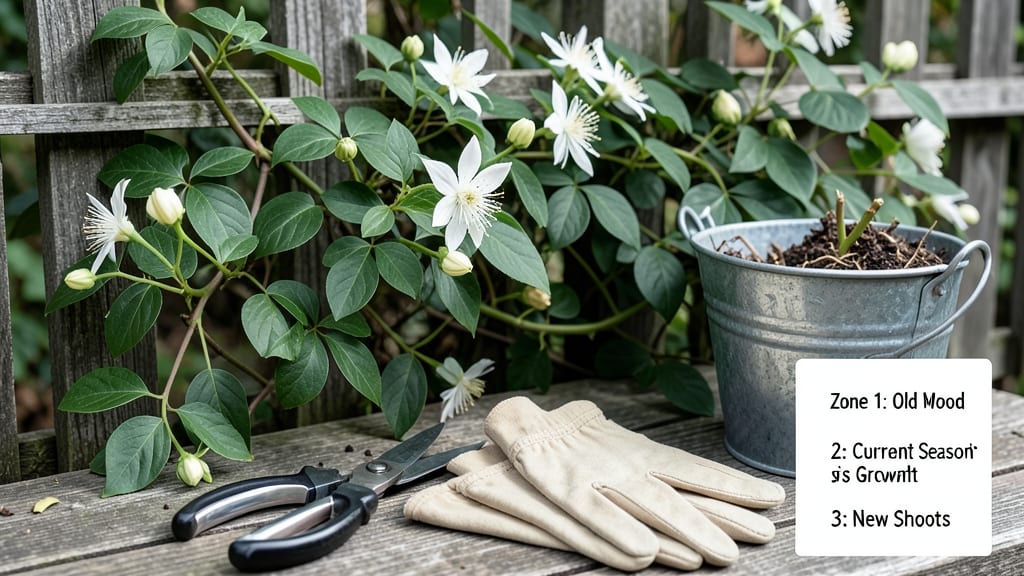
Clematis flowers that refuse to bloom? You’re not alone. 🌸 After struggling with my own stubborn vines, I discovered three game-changing secrets—pruning the right way, feeding at the right time, and giving them the sunlight they actually crave.
The biggest mistake? Pruning too late or too hard. Clematis fall into three groups, each needing a different approach. Over-prune, and you’ll get leaves but no flowers. Under-prune, and you’ll miss the full bloom potential. I’ll show you exactly when and how to cut for maximum blooms.
With the right care, your clematis will explode with flowers from early summer through fall. Picture vines heavy with blossoms, attracting hummingbirds and filling your garden with color. The key is consistency—watering, feeding, and pruning on a schedule that works with their natural growth cycle.
Whether you’re dealing with a new vine or a neglected old one, these techniques work. No more bare stems or sparse blooms—just lush, flowering vines that become the star of your garden. Let’s get those flowers going!
📚 In This Guide
- What you need
- Instructions
- Tips and common mistakes
- Wrapping up and next steps
What you need
- ● Hand pruners or bypass pruners – Sharp, clean pruners are a must for precise cuts (avoid dull tools that crush stems!).
- ● Garden gloves – Protect your hands from thorns and dirt (opt for durable, breathable fabric).
- ● Garden twine or plant ties – 3–5 feet per plant to support heavy blooms (jute or plastic works).
- ● Balanced fertilizer (10-10-10 or 20-20-20) – 1–2 tablespoons per plant (organic options like composted manure work too!).
- ○ Slow-release granular fertilizer – Optional but ideal for steady nutrition (follow package rates).
- ● Mulch (shredded bark or compost) – 2–3 inches to retain moisture and regulate soil temp.
- ● Watering can or hose with a gentle spray nozzle – Deep watering is key (1–2 gallons per plant, 2–3 times weekly).
- ● Stake or trellis (if needed) – For climbing varieties, ensure it’s at least 6 feet tall.
- ● Sunlight access – At least 6 hours of direct sun daily (morning sun + afternoon shade works for some varieties).
- ● Well-draining soil – Amend heavy clay with compost or perlite if drainage is poor.
- ○ pH test kit (optional) – Clematis thrives in slightly alkaline soil (6.5–7.5); adjust with lime or sulfur if needed.
- ● Epsom salt (magnesium sulfate) – 1 tablespoon per gallon of water (monthly spray for green leaves and blooms!).
- ○ Clematis-specific fertilizer (optional) – High in phosphorus for flowering (e.g., 5-10-10 ratio).
- ○ Copper fungicide (optional) – For prevention of clematis wilt (apply early in the season).
Step-by-step instructions for encouraging clematis blooms
Here's the method I rely on to transform stubborn clematis into flowering powerhouses—tested across seasons and climates.
✂️ Step 1: Prune Correctly Based on Flowering Type
Clematis fall into three pruning groups, and getting this wrong means no flowers. Group 1 (early bloomers like 'Jackmanii') flowers on previous year's growth—never prune back more than 1/3 of the plant. Group 2 (mid-season bloomers like 'Niobe') can handle a hard cutback in early spring, removing dead wood. Group 3 (late bloomers like 'Henryi') flowers on new growth—prune aggressively in late winter.
I always prune just above a pair of outward-facing buds using clean, sharp pruners. Sterilize your tools with rubbing alcohol between cuts to prevent disease spread. If you're unsure which group your clematis belongs to, check the flower timing—early bloomers open in spring, late bloomers wait until summer.
☀️ Step 2: Provide the Right Sunlight Balance
Clematis need 6-8 hours of morning sun but afternoon shade in hot climates. Too much midday sun scorches leaves and stresses the plant. I've seen clematis wither in full afternoon sun—watch for crispy leaf edges as a warning sign. If your plant gets afternoon sun, provide afternoon shade with a sheer curtain or nearby trees during peak heat hours.
For best results, position the base of the plant in shade while allowing the vines to climb into sun. This mimics their natural woodland habitat. You'll notice more buds form when leaves stay lush and green rather than yellowed or scorched.
💧 Step 3: Water Deeply and Consistently
Clematis roots run deep, so water 1-2 times weekly until 12 inches of soil feels moist. Shallow watering encourages weak roots that can't support heavy blooms. I use a soaker hose to deliver water slowly at the base, avoiding wet foliage that invites fungal diseases. The soil should feel damp but not soggy—think of a well-wrung sponge.
Mulch heavily with 2-3 inches of organic mulch (like shredded bark) to retain moisture and regulate soil temperature. During heatwaves, I check soil moisture daily—drooping leaves mean it's time to water immediately. Consistency is key: irregular watering causes buds to drop before opening.
🌿 Step 4: Feed with the Right Fertilizer Strategy
Use a balanced fertilizer (10-10-10) in early spring when new growth appears, then switch to a high-phosphorus formula (5-10-5) when buds form to encourage blooming. I apply fertilizer in three equal doses: once at spring pruning, again when shoots are 6 inches tall, and finally when buds swell. Never fertilize after mid-summer—this promotes leafy growth at the expense of flowers.
Organic options like fish emulsion or bone meal work well too. I've found that slow-release granules placed at the base in spring provide steady nutrition without burning roots. Watch for dark green, vigorous new growth—this means your feeding strategy is working.
⏰ Step 5: Time Deadheading and Seasonal Care
Deadhead spent blooms regularly to redirect energy into new flowers. I pinch off flowers just above the next set of leaves using my fingers—no need for pruners. For repeat-blooming varieties, cut back to a strong pair of buds after the first flush of flowers. This encourages a second (and sometimes third) bloom cycle.
In fall, apply a 2-3 inch layer of compost around the base and reduce watering slightly. Clematis need a period of dormancy to set buds for next year's flowers. I cover the base with a thick mulch layer before winter to protect roots from freezing temperatures. Spring-flowering varieties benefit from a light pruning in late winter to remove dead wood and open the center for airflow.
Tips & tricks for perfect clematis blooms
These simple strategies will help you coax even more flowers from your clematis without the guesswork.
Pruning Precision: When pruning Group 1 clematis (early bloomers), I mark the cuts with a piece of tape before making them—this prevents over-pruning that can eliminate next year's flowers. For Groups 2 and 3, I always look for outward-facing buds when cutting back, as these will produce stronger growth. Remember, a clean cut just above a bud means new growth will emerge in the right direction.
Sunlight Strategy: If your clematis gets afternoon sun, I recommend placing a sheer white curtain on the south or west side of the trellis during peak heat hours (11 AM-3 PM). This diffuses harsh light while still allowing plenty of morning sun. You'll notice leaves stay a vibrant green rather than turning yellow or crispy at the edges.
Watering Wisdom: The 12-inch deep watering rule is crucial—use a soil probe to check moisture at that depth. I've found that watering in the early morning gives roots time to absorb moisture before the heat of the day. During droughts, I increase to daily watering until the soil feels consistently moist at 12 inches down.
Fertilizer Timing: When applying the second dose of fertilizer (at 6 inches of new growth), I mix it with a handful of compost into the top 2 inches of soil. This creates a nutrient-rich zone right where new roots are forming. The high-phosphorus formula is especially important here—it's what triggers those flower buds to form.
Pro Tips for Make Clematis Bloom
- These simple strategies will help you coax even more flowers from your clematis without the guesswork.
- Pruning Precision: When pruning Group 1 clematis (early bloomers), I mark the cuts with a piece of tape before making them—this prevents over-pruning that can eliminate next year's flowers.
- Sunlight Strategy: If your clematis gets afternoon sun, I recommend placing a sheer white curtain on the south or west side of the trellis during peak heat hours (11 AM-3 PM).
Frequently asked questions
Got questions about coaxing those stunning clematis blooms? You’re not alone! Here are answers to the most common dilemmas—so you can enjoy a garden bursting with color all season long.
Why isn’t my clematis blooming at all?
Clematis often need a balance of sunlight, support, and proper pruning. If it’s not blooming, check for:
- Too much shade (they thrive in 6+ hours of sun)
- Overcrowded roots (mulch lightly but avoid smothering)
- Wrong pruning group (Group 1 blooms on previous year’s growth; Group 3 needs hard pruning)
When is the best time to prune for maximum blooms?
Timing depends on your clematis type:
- Group 1 (early bloomers): Prune right after flowering to avoid cutting off next year’s buds.
- Group 2 (repeat bloomers): Light prune in early spring, then again after summer blooms.
- Group 3 (late bloomers): Hard prune in late winter/early spring (cut back to 12–24 inches).
What’s causing my clematis leaves to yellow or wilt?
Yellow leaves or wilting often signal root stress or disease. Common culprits:
- Overwatering (keep soil moist but well-draining; clematis hate soggy roots).
- Fungal issues (like powdery mildew—spray with neem oil or fungicide).
- Nutrient deficiency (feed with iron or magnesium if leaves are pale).
Can I grow clematis in partial shade?
Yes, but expect fewer blooms. Clematis prefers full sun (6+ hours daily), but some varieties (like Clematis montana) tolerate partial shade. If shading is unavoidable:
- Place it where it gets morning sun and afternoon shade.
- Avoid deep shade (like under dense trees).
- Use light-colored mulch to reflect heat.
How do I revive a clematis that’s stopped blooming?
Try this 3-step reset:
- Prune aggressively (even if it’s not the “right” time—sometimes they need a fresh start!).
- Fertilize with a phosphorus-rich formula (like 5-10-5) to encourage blooms.
- Adjust sunlight—move it closer to a sunny spot if possible.
Wrapping up and next steps
With the right mix of pruning, sunlight, and nutrient-rich care, your clematis can transform into a nonstop blooming superstar! 🌸 Remember, patience and consistency are key—these plants reward dedication with stunning, repeat flowers.
Now that you’re armed with the secrets, grab your shears and get ready to watch your garden come alive.
Your next step? Pick a sunny spot, give your clematis a fresh trim, and start feeding it the love it deserves. Happy gardening—your blooms are waiting! 🌞