
Fertilization
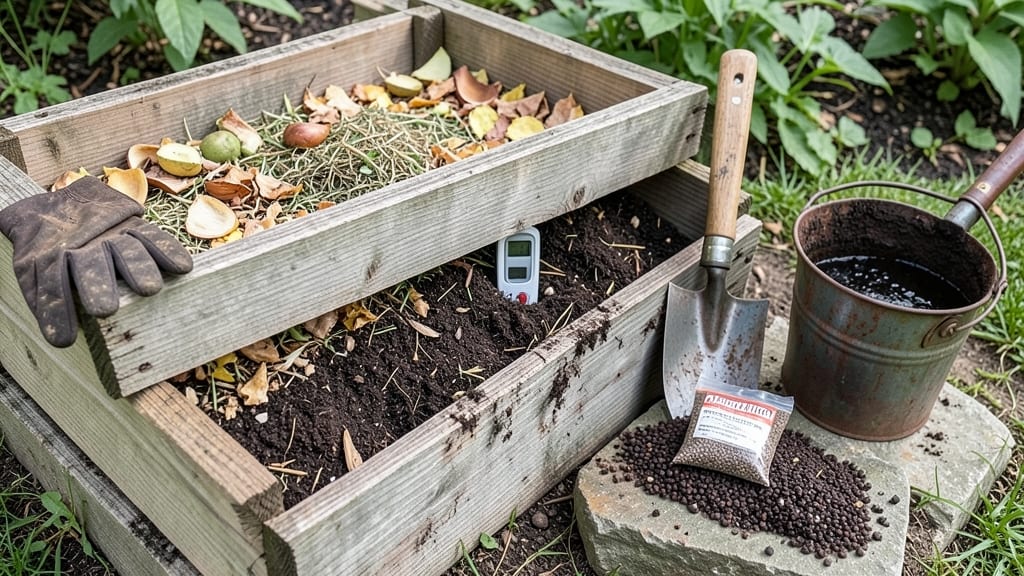
Making fertilizer for plants doesn’t require a chemistry degree—just a few scraps and patience. 🌱 I’ve turned kitchen waste into lush garden growth using compost tea, and it’s easier than you think. This nutrient-rich brew feeds plants faster than store-bought fertilizers, without the harsh chemicals.
The magic happens in a bucket: mix compost, water, and a splash of molasses for microbial energy. Steep for 15 minutes, strain, and you’ve got liquid gold for your soil. My tomatoes and peppers exploded with flavor after just one application—no fancy equipment needed.
You’ll see stronger roots, deeper greens, and more blooms within weeks. The best part? It’s free, chemical-free, and works for houseplants or garden beds. No more guessing what your plants need—they’ll tell you by how fast they grow. Perfect for beginners or anyone tired of buying fertilizer bags.
Here’s how to brew it without the mess or the wait.
📚 In This Guide
- What you need
- Instructions
- Tips and common mistakes
- Wrapping up and next steps
What you need
- ● Compost: 1–2 cups of well-aged, crumbly compost (avoid fresh manure—it can burn plants!)
- ● Water: 5 gallons of dechlorinated water (let tap water sit out for 24 hours or use rainwater)
- ● Breathable container: A 5-gallon bucket with a lid (drill small holes for aeration or use a burlap sack)
- ● Oxygen source: Option 1: An aquarium air pump with a stone diffuser (essential for aerobic tea!)
- ● Option 2: A battery-powered solar aerator (great for outdoor use)
- ● Stirring tool: A wooden or plastic spoon (metal can introduce unwanted minerals)
- ● Fine mesh strainer or cheesecloth: For filtering the tea before use
- ○ Molasses or humic acid: 1–2 tbsp to boost microbial activity (optional but speedy!)
- ● Fish emulsion or seaweed extract: 1 tbsp for added trace minerals
- ● pH test strips: To check water acidity (ideal range: 6.0–7.0)
- ● Sprayer or watering can: For easy application to plants
- ● Gloves: To keep hands clean while handling compost
Step-by-step instructions for brewing nutrient-rich compost tea
Here’s my go-to method for making a quick, nutrient-packed fertilizer that feeds plants in minutes—not months.
🌱 Step 1: Gather Your Materials and Prepare the Compost
Start with 2 cups of finished compost (well-aged, dark, and crumbly—no chunks or unbroken plant matter). If your compost is fresh, it’ll release too much heat and kill beneficial microbes. Sift it through a fine mesh screen to remove large particles, which can clog your brewing setup.
Place the compost in a clean 5-gallon bucket (never reuse one that held chemicals or old fertilizer). Add 4 gallons of non-chlorinated water—chlorine kills the microbes you’re trying to cultivate. Rainwater or filtered tap water works best. Stir gently to avoid disturbing the compost’s structure too much.
💧 Step 2: Aerate the Mixture for 10–15 Minutes
Use an aquarium pump with an air stone to bubble air through the mixture for 10–15 minutes. This oxygenates the tea, activating aerobic microbes that break down compost into soluble nutrients. You’ll see tiny bubbles rising and the water turning a rich, tea-like brown color—this is your signal the process is working.
I know it seems counterintuitive to add air to a liquid, but this step is critical. Without aeration, anaerobic bacteria take over, producing foul-smelling byproducts that can harm plants. Keep the pump running until the water feels slightly cooler to the touch—this means the microbes are thriving.
☀️ Step 3: Strain and Dilute Before Applying
After aeration, let the mixture sit for 5 minutes to allow larger particles to settle. Then, pour the liquid through a clean cheesecloth or fine mesh bag into another bucket, leaving the compost solids behind. The strained tea should look like strong brewed tea—dark amber with a slight earthy aroma. If it smells sour or rotten, discard it and start over.
Never use undiluted compost tea—it’s too strong and can burn plant roots. Mix 1 part tea with 10 parts water (e.g., 1 cup tea + 10 cups water) for a safe, nutrient-rich feed. This dilution also prevents clogging your watering can or hose-end sprayer.
✂️ Step 4: Apply to Plants and Monitor Results
Use the diluted tea to water plants at the base, avoiding direct foliar contact unless you’re treating fungal issues. For houseplants, use it every 2–3 weeks during active growth. You’ll notice darker green leaves within a week—that’s your sign the nutrients are working. Over time, plants develop stronger stems and more vibrant blooms.
I like to apply compost tea in the early morning or late afternoon when temperatures are cooler. This reduces evaporation and gives plants time to absorb nutrients before the heat of the day. Avoid using it on stressed plants or during extreme heat—it can overstimulate them.
Tips & tricks for perfect nutrient-rich compost tea
A few simple tricks that'll transform your compost into a powerhouse plant fertilizer—without the guesswork.
Compost Quality Matters: The 2 cups of finished compost you start with should be dark, crumbly, and smell earthy—not sour or ammonia-like. If your compost has large chunks, sift it through a fine mesh screen first. This ensures your tea has maximum microbial activity and won't clog your aeration system. Think of it as the foundation of your fertilizer—skimp here, and you'll get weak results.
Aeration is Non-Negotiable: During that critical 10–15 minute aeration in Step 2, keep the air stone submerged and the pump running continuously. You'll know it's working when the water turns a rich amber color and feels slightly cooler to the touch. If you skip this step or rush it, you'll end up with anaerobic bacteria that produce foul-smelling byproducts instead of beneficial microbes. Trust me, your plants will thank you for the extra attention here.
Dilution is Key: Never, ever use undiluted compost tea—it's a common mistake that burns plant roots. The 1:10 ratio (1 part tea to 10 parts water) is your safety net. For example, 1 cup of strained tea mixed with 10 cups of water creates a gentle, nutrient-rich feed. This dilution also prevents clogging in your watering equipment, saving you headaches later. Think of it as the difference between a gentle rain and a flash flood for your plants.
Timing for Application: Apply your diluted compost tea in the early morning or late afternoon when temperatures are cooler. This timing reduces evaporation and gives plants time to absorb nutrients before the heat of the day. I've seen plants wilt when given compost tea during peak sun—it's like giving them a strong coffee on an empty stomach. Cool conditions help plants metabolize the nutrients more effectively.
Pro Tips for Make Fertilizer For Plants
- A few simple tricks that'll transform your compost into a powerhouse plant fertilizer—without the guesswork.
- Compost Quality Matters: The 2 cups of finished compost you start with should be dark, crumbly, and smell earthy—not ...
- Aeration is Non-Negotiable: During that critical 10–15 minute aeration in Step 2, keep the air stone submerged and th...
Frequently asked questions
Got questions about making your own plant fertilizer?
Here are some of the most common ones—and their answers—to help you get started with confidence!
Can I use compost tea on all types of plants?
Most plants benefit from compost tea, but avoid using it on carnivorous plants (like Venus flytraps) or those sensitive to organic matter, such as orchids or caladiums. Always dilute tea for seedlings or delicate plants to prevent overfeeding. Start with a 1:5 tea-to-water ratio and observe for any signs of stress.
How often should I apply compost tea to my plants?
For most garden plants, apply compost tea every 2–4 weeks during the growing season (spring and summer). Overwatering with tea can harm roots, so use it as a supplemental fertilizer, not a replacement for regular watering. Container plants may need more frequent applications (every 1–2 weeks) due to faster nutrient depletion.
Is homemade compost tea cheaper than store-bought fertilizer?
While the initial setup (like a bucket, aerator, or fish tank) has a small cost, ingredients like kitchen scraps, coffee grounds, or manure are free or low-cost. Store-bought fertilizers often require repeated purchases, whereas compost tea is a sustainable, long-term solution that reduces waste and boosts soil health.
What should I do if my compost tea smells bad?
A foul odor (like rotten eggs or ammonia) usually means anaerobic conditions—your tea lacks oxygen. Fix it by:
- Adding an aerator (like an aquarium pump) for better circulation.
- Stirring the tea manually every few hours.
- Adjusting the tea-to-water ratio (use less compost if it’s too strong).
Can I use compost tea as a foliar spray?
Yes! Diluted compost tea makes an excellent foliar spray to strengthen plants and deter pests. Use a 1:10 ratio (1 part tea to 10 parts water) and spray in the early morning to avoid leaf burn from sunlight. Avoid spraying flowering plants, as it may attract bees or disrupt pollination.
Wrapping up and next steps
Making your own nutrient-rich compost tea is easier—and more rewarding—than you think! With just a few simple ingredients and a little time, you can give your plants the natural boost they need to thrive. Start small, experiment with different methods, and watch your garden flourish!
Ready to take it further? Try blending this tea with other organic fertilizers—like worm castings or banana peels—to create an even more powerful plant-food cocktail. Happy gardening! 🌱✨